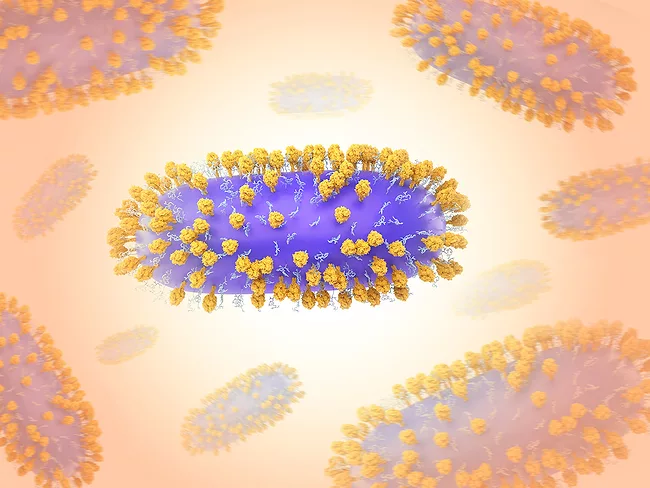
Both neutralizing antibodies and antibody effector functions are needed for protection against re-infection with respiratory syncytial virus (RSV), which may explain why it has been challenging to design an effective vaccine against the virus. As reported in the Dec. 12, 2022, issue of Cell, researchers carried out a human challenge study where volunteers were given a candidate vaccine for RSV, Ad26, or placebo.
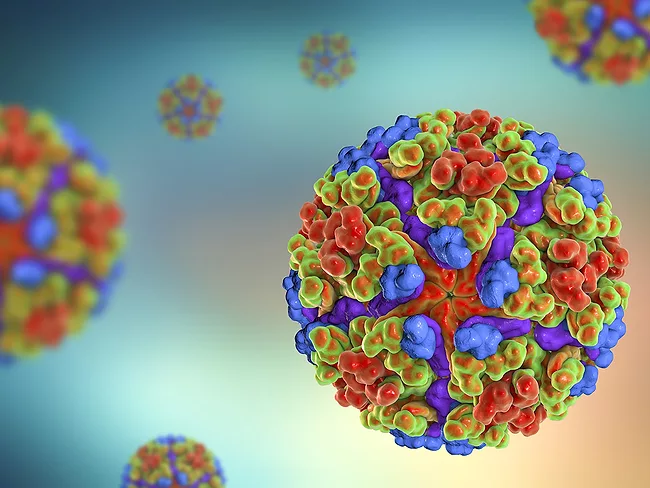
Emergex Vaccines Holding Ltd. has generated a chikungunya virus (CHIKV) ligandome, the first major milestone in the development of the company's CD8+ T-cell CHIKV adaptive vaccine candidate. Using an immunoproteomics approach, naturally presented MHC Class I-restricted peptides on the surface of a human leukocyte antigen (HLA)-typed cell line infected with CHIKV virus were extracted and identified.
Pfizer Inc. and Biontech SE have initiated a phase I study to evaluate the safety, tolerability and immunogenicity of BNT-162b4, a next-generation COVID-19 vaccine candidate that aims to enhance SARS-CoV-2 T-cell responses and potentially broaden protection against COVID-19.
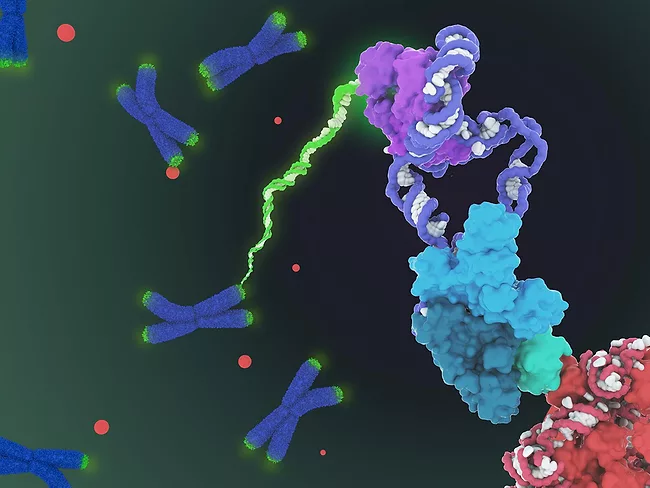
Arizona State University scientists have discovered an unprecedented pathway in a fungus to produce telomerase RNA (TER) from a protein-encoding messenger RNA (mRNA). Unlike in animals and other fungi, this fungal TER is transcribed by RNA polymerase III, lacks a protective 5′ cap and it is processed from the 3′-untranslated region of an mRNA transcript. This telomerase has two essential structural domains that keep it active. For now, scientists have only observed this process in the fungus Ustilago maydis, or Mexican truffle. “In animals, and even in Ascomycota, which is another fungal phylum, the telomerase RNA is transcribed by RNA polymerase II as an independent gene. This is the only case among all different kingdoms in eukaryotes that the telomerase RNA is processed from the mRNA molecule. It is a very unusual biogenesis pathway.” Julian Chen told BioWorld.
 RSS
RSS