While Servier Pharmaceuticals LLC awaits this summer’s PDUFA date for the IDH-mutant glioma drug vorasidenib, acquired in the buyout of oncology assets from Agios Pharmaceuticals Inc., the latter unveiled positive data from a global phase III study with oral mitapivat in adults with transfusion-dependent alpha- or beta-thalassemia.
While there was much talk about the vast potential of artificial intelligence (AI) during one of the world’s largest research cancer conferences, antibody-drug conjugates (ADCs) continued to grab the lion’s share of attention as Corbus Pharmaceuticals Holdings Inc. and Takeda Pharmaceutical Co. Ltd. released new and positive data.
Researchers from Federation University Australia and affiliated organizations have reported data from a study that aimed to assess the therapeutic efficacy of the poly (ADP-ribose) polymerase (PARP) inhibitor olaparib in a large animal model of pulmonary fibrosis.
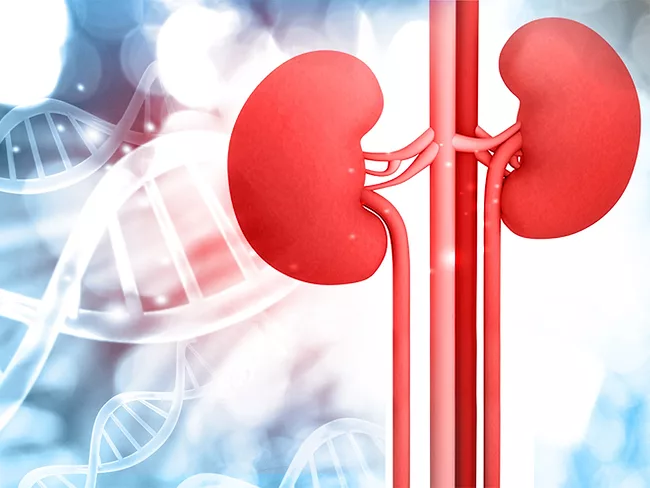
Chronic kidney disease (CKD) during diabetes may manifest several phenotypes, including diabetic nephropathy (DN), nondiabetic renal disease (NDRD) or a mixed form.
Researchers from Purespring Therapeutics Ltd. and affiliated organizations have presented preclinical data for the adeno-associated vector (AAV) gene therapy PS-001 for the treatment of glomerular disease.
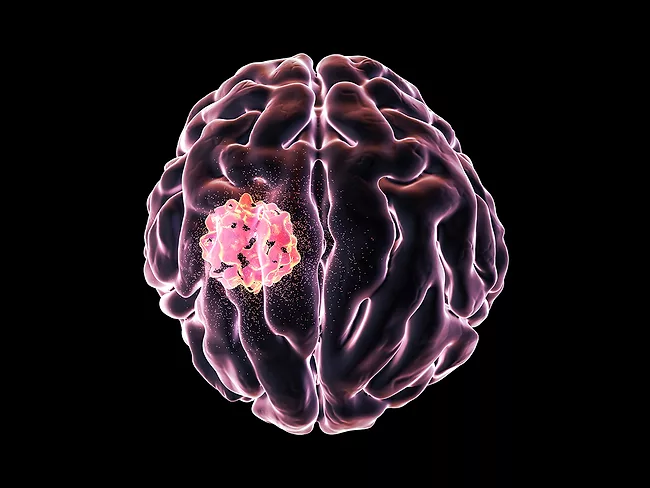
Researchers from Australis Pharmaceuticals Pty Ltd. have presented preclinical data for the microtubule-destabilizing agent AUS-001, which is being evaluated in models of glioblastoma (GBM).
It is known that an abnormal activation of the mitogen-activated protein kinase (MAPK) pathway is involved in tumor formation and progression, where MEK1 and MEK2 are the key proteins involved in this pathway. At the ongoing ASCO meeting in Chicago, Pasithea Therapeutics Corp. presented data on PAS-004, a macrocyclic MEK inhibitor for the potential treatment of cancer.
Eli Lilly and Co.’s updated phase I/II study of olomorasib as a monotherapy in patients with KRAS G12C-mutant advanced solid tumors yielded more promise in data released over the weekend at the American Society of Clinical Oncology (ASCO) annual meeting.
The American Society of Clinical Oncology (ASCO) meeting opened at the McCormick Place convention center in Chicago with after-lunchtime sessions on breast cancer, melanoma, sarcoma and advancements on adjuvant cancer vaccines. As ASCO revved up, the CEOs of Merck & Co. Inc., Gilead Sciences Inc. and Eli Lilly and Co. vented their frustrations about the impact of the Inflation Reduction Act on innovation.
Alpha-1 antitrypsin deficiency (AATD) is a recessive genetic disorder caused by single nucleotide variants (SNV) in the SERPINA1 gene encoding for alpha-1 antitrypsin (AAT), with the most common mutation being the E342K mutation (Z allele) that introduces an amino acid change from glutamic acid (E) coding for M-AAT to a lysine (K) coding for Z-AAT.
 RSS
RSS