In a recent presentation, researchers from the Medical University of Lodz have aimed to investigate the therapeutic potential of simultaneously targeting axin and cannabinoid receptors (CBs) with KYA-1797K and WIN-55212-2 in colorectal cancer (CRC) cell lines SW480 and Caco-2.
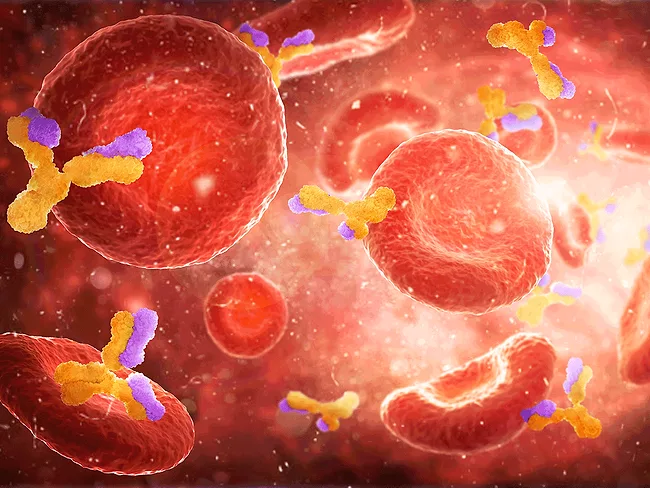
Myasthenia gravis (MG) is an antibody-mediated chronic neuromuscular disorder leading to fluctuating weakness and early muscle fatigue, with limited treatment options available. In MG, such as other autoimmune diseases, the main pathogenic autoantibody involved is the immunoglobulin G (IgG) isotype.
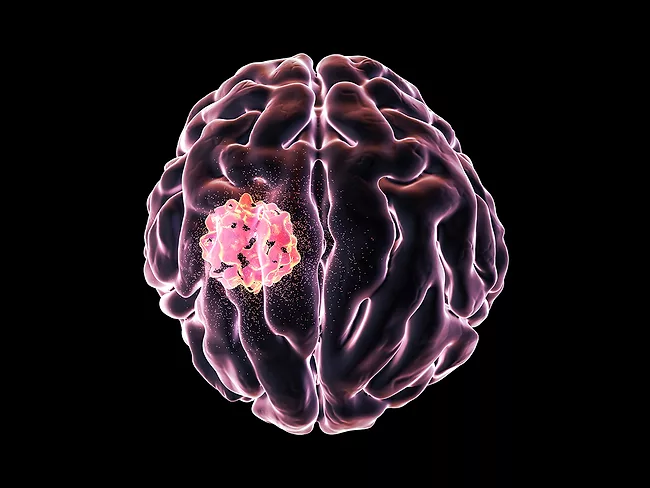
Virus is associated with sickness, but oncolytic virus therapies, which harness viruses to attack and kill cancer cells, may soon change the standard of treatment for cancer, including those long deemed uncurable like malignant glioma.
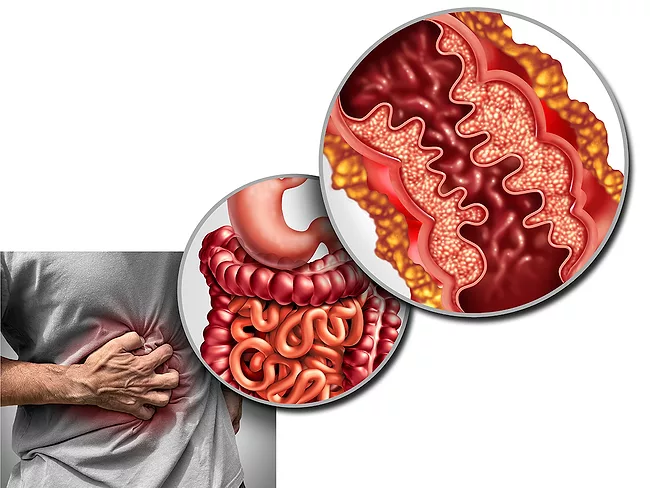
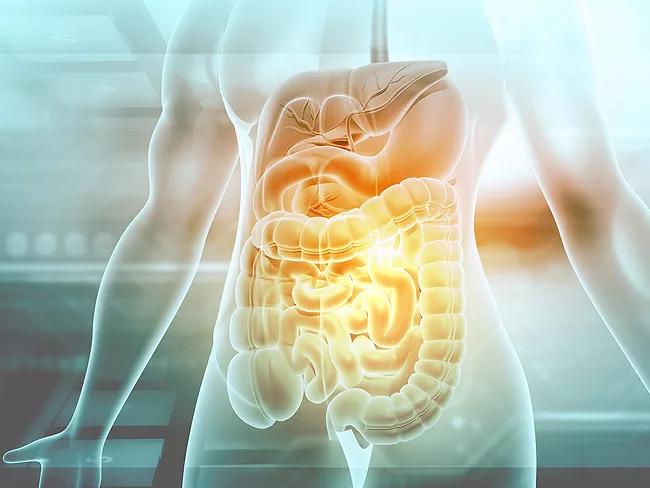
Recent advances in the management of inflammatory bowel disease (IBD), including Crohn’s disease and ulcerative colitis, have shown that inhibiting the interaction between the α4β7 integrin and the endothelial ligand mucosal addressin cell adhesion molecule 1 (MADCAM1) has proven useful, safe and effective.
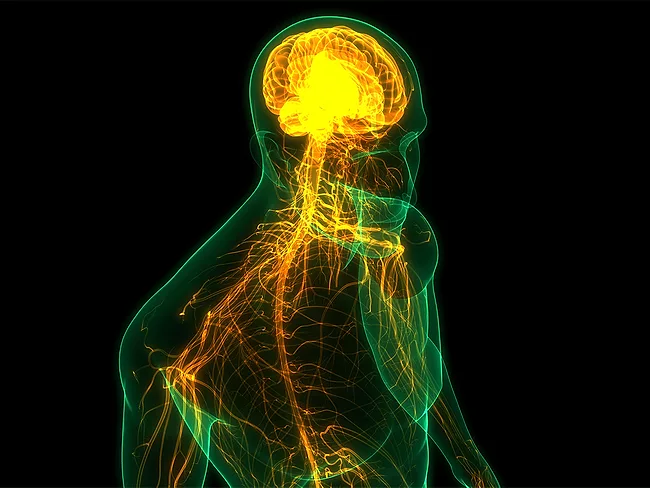
Researchers from Nitrase Therapeutics Inc. recently presented preclinical findings on NTX-101, a murine chimeric antibody designed to specifically bind to nitrated tyrosine on α-synuclein (α-Syn). It was demonstrated that NTX-101 bound both chemically and synthetically nitrated α-Syn (n-Syn), with no binding to non-nitrated α-Syn or an irrelevant nitrated protein observed.
At the United European Gastroenterology Week in Vienna, Redx Pharma plc presented data regarding their ROCK inhibitor RXC-008 for treating fibrostenotic Crohn’s disease. RXC-008 is restricted to the gastrointestinal tract, thus avoiding systemic exposure; ROCK1/2 kinases are involved in fibrosis and their blockade has been efficacious in several rodent models of fibrotic disease.
Researchers from Proqr Therapeutics NV recently presented preclinical data on AX-0810, a single-stranded RNA editing oligonucleotide (EON) targeting RNA coding for NTCP cotransporter
Pancreatic cancer is among the most lethal cancers and the fourth leading cause of cancer deaths worldwide, where 90% of cases fall into the pancreatic ductal adenocarcinoma (PDAC) type.
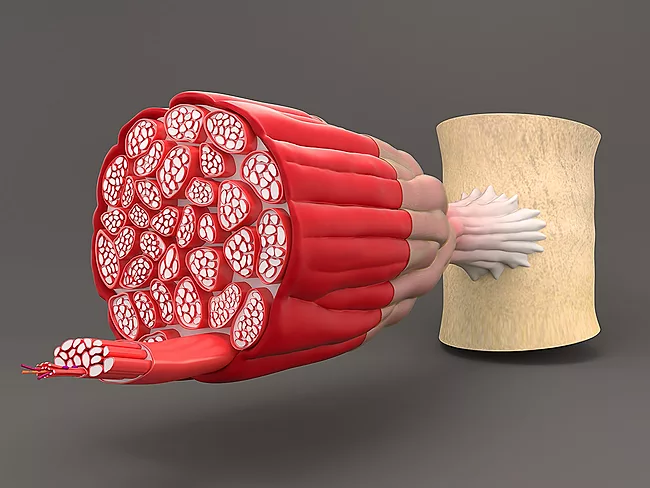
Satellos Bioscience Inc. has developed and presented data for a compound that targeted the process of muscle regeneration based on modulation of satellite stem cell polarity.
Facioscapulohumeral muscular dystrophy (FSHD) is a severe muscle disorder caused by aberrant DUX4 mRNA expression in skeletal muscle. DUX4 activates downstream target transcriptome, known as D4T, leading to myofiber loss and muscle weakness.

 RSS
RSS