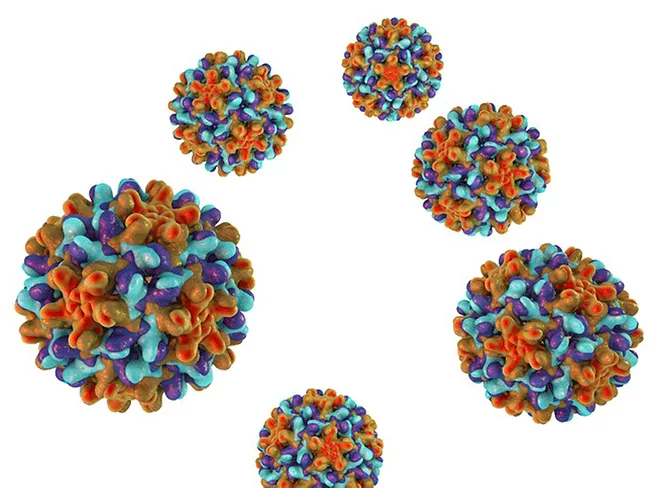
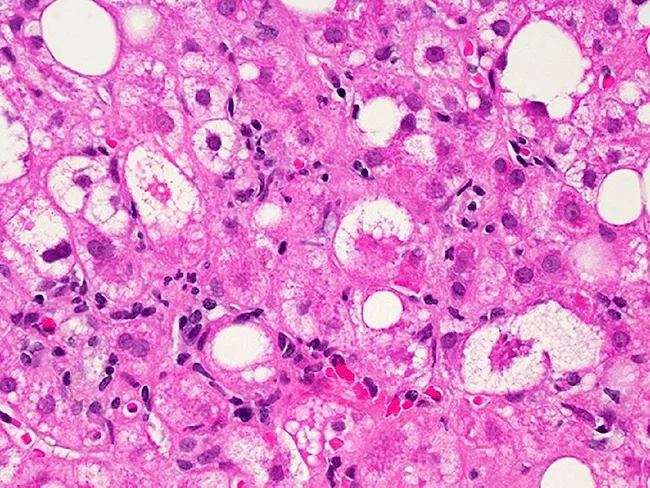
Pegylated interferon-α (PegIFNα) is a treatment option for chronic hepatitis B (CHB) patients, but it often has undesirable side effects and not all patients respond to treatment. Tripartite motif-containing protein 26 (TRIM26) has been reported to have an impact on hepatitis C virus replication; researchers aimed to investigate the role of TRIM26 in CHB as well as its potential impact on response to PegIFNα in two cohorts of patients with CHB (N=945) treated for 48 weeks with a follow-up period of 24 weeks.
Biallelic mutations in the PYGM gene, which encodes for glycogen phosphorylase, cause McArdle disease, with a few cases documented to have hereditary macular dystrophies (HMDs) as an association. In the current study, a research team at the Hospital for Sick Children (SickKids), in Toronto, aimed to identify the disease-causing variants in an autosomal recessive family with HMD.
TOTUM-448 is a unique combination of plant extracts designed to reduce hepatic steatosis, a risk factor for nonalcoholic fatty liver disease (NAFLD) and type 2 diabetes.
Researchers from Assembly Biosciences Inc. presented the discovery and preclinical characterization of novel small-molecule hepatitis B (HBV) and D virus (HDV) entry inhibitors.
Fresh off announcing a new $1.2 billion joint drug discovery and development project with Sanofi SA, Insilico Medicine Inc. founder and CEO Alex Zhavoronkov joined a chorus of executives at the Asia Summit on Global Health in proclaiming the critical importance of partnership between biopharma, tech companies, and regulators, even amid rising tensions between China and the West.
Researchers from Washington University presented data from a study that aimed to identify myeloid-derived suppressor cell (MDSC) markers in patients with multiple sclerosis (MS).
Primary angle closure glaucoma (PACG) is characterized by anatomic blockage of the drainage angle of the eye leading to elevated eye pressure and optic neuropathy, and its molecular pathogenesis is still not well studied.
Small nuclear RNAs (snRNAs) play a crucial role in RNA splicing and cell functioning. The transcription of these RNAs is initiated by small nuclear RNA activation protein complex (SNAPc), and SNAPC4 is the subunit in charge of SNAPc-DNA binding. Previous studies have found that SNAPC4 deficiency led to decreased expression of these RNAs in animal models.
Researchers from Incyte Research Institute presented the discovery of a cyclin-dependent kinase 2 (CDK2) inhibitor, INCB-123667, being developed for the treatment of cyclin E dysregulated cancers.
 RSS
RSS