Artificial intelligence tools are springing up at multiple points along drug discovery and development, but despite the hype, as yet there is minimal return on investment (ROI). “I would say a lot of companies sort of get this big excitement about AI, but then when you look at how much ROI they get, it’s actually very little. And that’s because the workflow and the process, end-to-end, isn’t mapped to really understand where AI can truly make an impact,” said Laura Matz, chief science and technology officer at Merck KGaA.
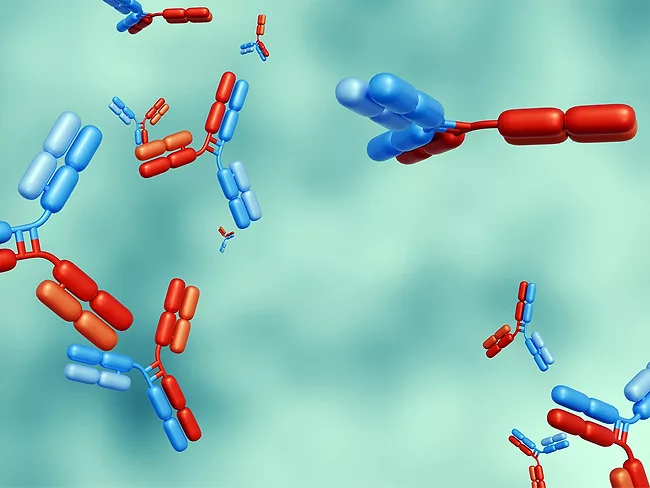
Incyte Corp. has developed and presented data for their CD70xCD3 bispecific antibody INCA-036873, which was designed to activate T cells and kill tumoral cells expressing CD70.
At the recently concluded meeting of the American Academy of Neurology, Synendos Therapeutics AG reported preclinical data from the pharmacological characterization of SYT-510, which is the first selective endocannabinoid reuptake inhibitor (SERI) to enter the clinic for the potential treatment of disorders affecting the CNS, such as anxiety or movement disorders. A new class of endocannabinoid system (ECS) modulators, SERIs potently and selectively inhibit endocannabinoid reuptake to help the ECS restore normal brain function under disease conditions.
New Approach Methodologies (NAMs) for drug development are transforming biomedical research by replacing or complementing animal models. More than 90% of experimental compounds fail in clinical trials, underscoring the need for strategies that better capture human biology. Many of these techniques were showcased at the 2026 American Association for Cancer Research (AACR) annual meeting.
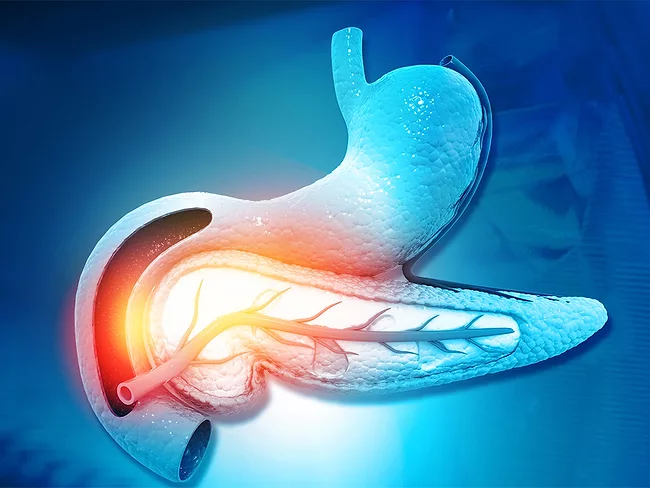
Akeso Pharmaceuticals Inc. has raised the bar for next-generation immuno-oncology, reporting more than 23 months median overall survival in pancreatic cancer with its PD-1/CTLA-4 bispecific antibody cadonilimab, as emerging competitors begin to post earlier signals across solid tumors at the American Association for Cancer Research annual meeting in San Diego April 17 to 22.
Netris Pharma SA has delivered positive phase Ib data showing its first-in-class netrin-1 inhibitor NP-137 alleviates resistance to chemotherapy in pancreatic cancer. This could represent an important advance in treating these tumors, which are notoriously resistant to chemotherapy.
And the positive news continues to flow for Revolution Medicines Inc. On the heels of a successful phase III trial for RAS inhibitor daraxonrasib in previously treated patients with metastatic pancreatic ductal adenocarcinoma (PDAC) – not to mention the firm pricing the largest follow-on offering in biopharma history – Revolution presented updated phase I/II data at the American Association for Cancer Research (AACR) meeting detailing impressive findings in first-line PDAC patients.
Optimism rose for what could be the first CAR T therapy in autoimmune disease as Kyverna Therapeutics Inc. made public a positive primary analysis from its registrational trial, KYSA-8, of mivocabtagene autoleucel (miv-cel, KYV-101) in stiff-person syndrome. Kyverna plans to submit a BLA to the U.S. FDA in the first half of this year.
Cymirafen is a novel antibody-drug conjugate (ADC) from the University of California that targets leucine-rich repeat-containing G-protein coupled receptor 4 (LGR4)/LGR5/LGR6 and is composed of a potent cytotoxic payload, monomethyl auristatin E (MMAE), plus an Fc domain fused to the receptor binding domain of RSPO1.
Researchers from Cogent Biosciences Inc. presented the preclinical profile of CGT-1263, a pan-KRAS-directed compound that binds both ON and OFF KRAS conformations without affecting HRAS or NRAS.

 RSS
RSS