Former principal officers of the American Diabetes Association (ADA) have hit back at the association’s board and CEO after it prohibited the distribution of an editorial published in its flagship journal Diabetes Care at the ADA’s meeting in New Orleans last Friday.
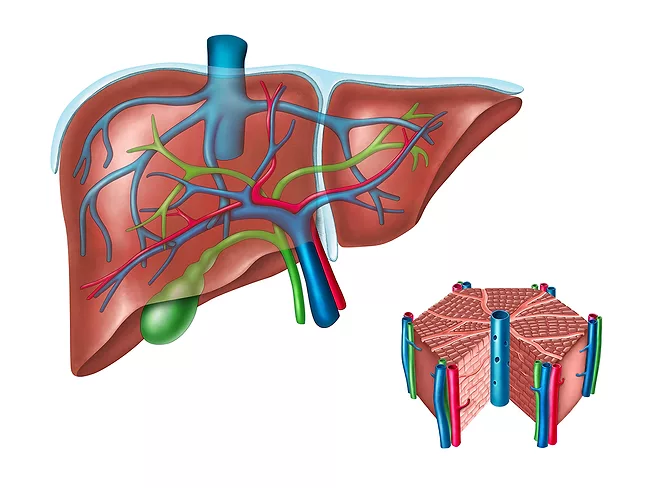
Researchers from Beijing University of Chinese Medicine described the role of TRIM54 in cirrhosis progression using two independent animal models of chronic liver injury – a DEN-induced rat model and a CCl4-induced mouse model of liver cirrhosis.
Therorna Shanghai Co. Ltd. has presented data on TI-0032, an anti-CD19 CAR circular RNA therapeutic delivered by lipid nanoparticles (LNPs) for the treatment of autoimmune and hematological disorders.
If the 2026 American Society of Clinical Oncology (ASCO) annual meeting in Chicago from May 30 to June 3 demonstrated anything about the evolution of China’s biotechnology sector, it was that the industry’s center of gravity is shifting. While Chinese companies once relied heavily on PD-1 antibodies and licensing deals to gain international visibility, this year’s oral presentations showcased a broader innovation base.
Dexcom Inc. and Insulet Corp. reported new clinical trial data on their diabetes technologies at the 2026 Scientific Sessions of the American Diabetes Association in New Orleans, offering insights that could aid in clinical adoption. Abbott Laboratories, meanwhile, highlighted the risks of diabetic ketoacidosis (DKA) and presented data showing the growing challenge of identifying DKA as it can develop quickly and mimic common illnesses.
GLP-1 receptor agonists remained center stage at the 2026 Scientific Sessions of the American Diabetes Association with Boehringer Ingelheim GmbH and Astrazeneca plc, joining the leaders, Eli Lilly and Co. and Novo Nordisk A/S, in presenting data for their respective GLP-1 drugs.
Kymera Therapeutics has developed KT-579, a potent and selective IRF5 degrader as a novel approach for treating systemic lupus erythematosus (SLE) and Sjögren disease.
At the recent American Diabetes Association meeting, researchers from Century Therapeutics Inc. presented preclinical efficacy data on CNTY-813, an induced pluripotent stem cell (iPSC)-derived cell therapy engineered using the company’s proprietary Allo-Evasion 5.0 platform.
Tango Therapeutics Inc. will be sitting down with the U.S. FDA soon to discuss pivotal work ahead based on what Cantor analyst Eric Schmidt called “amazing” data from the phase I/II study of vopimetostat, a PRMT5 inhibitor, paired with Revolution Medicines Inc.’s RAS(ON) inhibitors in patients with MTAP-deleted and RAS-mutant metastatic pancreatic ductal adenocarcinoma (PDAC) as well as non-small cell lung cancer.
Researchers from Rectify Pharmaceuticals Inc. presented preclinical efficacy data on RTY-406, a novel dual-acting ABCB4/MDR3 and ABCB11/BSEP modulator, in animal models of primary sclerosing cholangitis.
 RSS
RSS