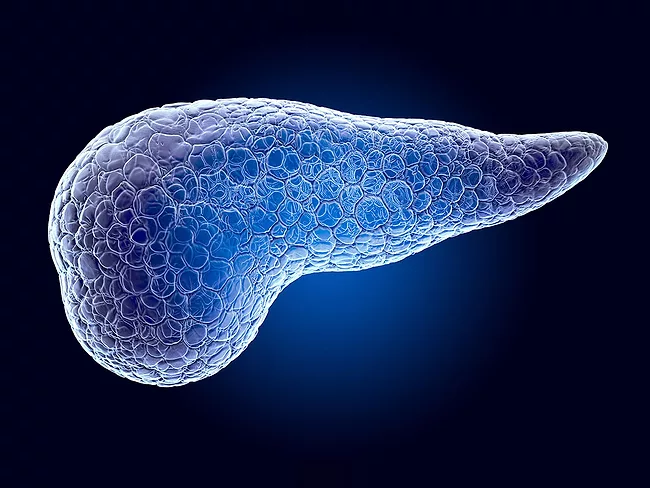
At the 2026 American Society of Clinical Oncology (ASCO) Annual Meeting, Revolution Medicines Inc. followed up its stellar top-line data with the details from the phase III RASolute 302 study of its pan-RAS inhibitor daraxonrasib in patients with previously treated, metastatic pancreatic ductal adenocarcinoma. The results were simultaneously published in The New England Journal of Medicine.
New data from Grail Inc.’s randomized study of its Galleri multicancer early detection test could not alter the fact that the U.K. trial missed the primary endpoint of reducing the number of cancers diagnosed at stage III and stage IV. But the company is now suggesting that discounting the initial screen, when most late stage cancers were detected, would be more representative of a real-life steady state screening program.
Multiple companies are chasing Akeso Inc. and Summit Therapeutics Inc. in the battle to potentially dethrone Keytruda (pembrolizumab, Merck & Co. Inc.) as the top cancer immunotherapy for patients with non-small-cell lung cancer with bispecific antibodies targeting PD-(L)1 and VEGF.
In the treatment of hepatocellular carcinoma (HCC), the long-term benefits of second-line tyrosine kinase inhibitors such as sorafenib are often limited by resistance mechanisms and adverse effects. The deubiquitinase ubiquitin carboxyl-terminal hydrolase L1 (UCH-L1) is upregulated in advanced HCC disease and has been linked to poor prognosis and treatment resistance.
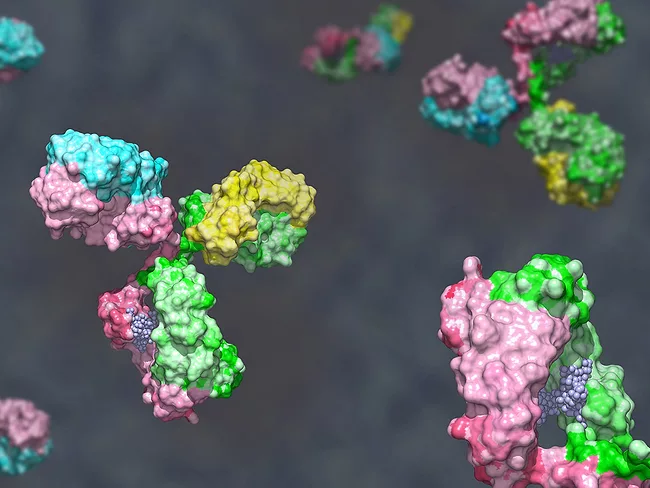
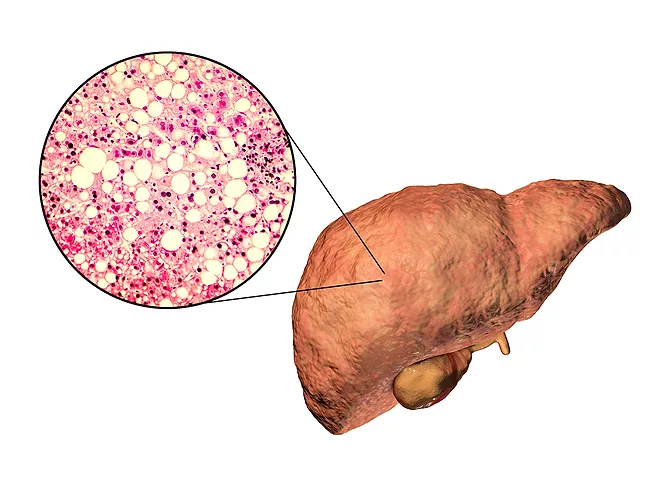
Researchers from Pilatus Biosciences SA recently presented preclinical efficacy data for PLT-012, a humanized IgG4 antibody targeting CD36, in metabolic dysfunction-associated steatohepatitis (MASH) models.
At the recently concluded European Association for the Study of the Liver meeting, presentations underscored how increasingly granular insights into liver pathobiology are driving the rapid identification of new druggable targets across diverse indications.
Bristol Myers Squibb Co. disclosed in March 2026 that the phase III portion of the seamless phase II/III Successor-2 study testing mezigdomide in combination with carfilzomib and dexamethasone (MeziKd) in patients with relapsed or refractory multiple myeloma was successful. Nearly three months later, the magnitude of success for its Pomalyst (pomalidomide) successor is clear.
Currently available treatments for chronic hepatitis D virus (HDV) infection rarely result in a cure after a defined treatment period. Researchers from Aligos Therapeutics Inc. hypothesized that antisense oligonucleotides (ASOs) targeting HDV RNAs may inhibit intracellular HDV RNA amplification.
Progressive familial intrahepatic cholestasis type 3 (PFIC3) is a genetic liver disorder caused by mutations in the ABCB4 gene encoding multidrug resistance protein 3 (MCP3) in humans, a biliary phospholipid transporter. Rectify Pharmaceuticals Inc. has developed the novel compound RTY-694, a dual-acting MDR3/BSEP positive modulator that increased the protein function of both MDR3 and BSEP.
Anti-PD-1/PD-L1 therapy has shown success in the treatment of liver cancer and may reverse immune tolerance in chronic hepatitis B (CHB). Aligos Therapeutics Inc. has presented preclinical data on the characterization of ALG-093940, a small molecule PD-1/PD-L1 inhibitor that induces PD-L1 dimerization and degradation.
 RSS
RSS