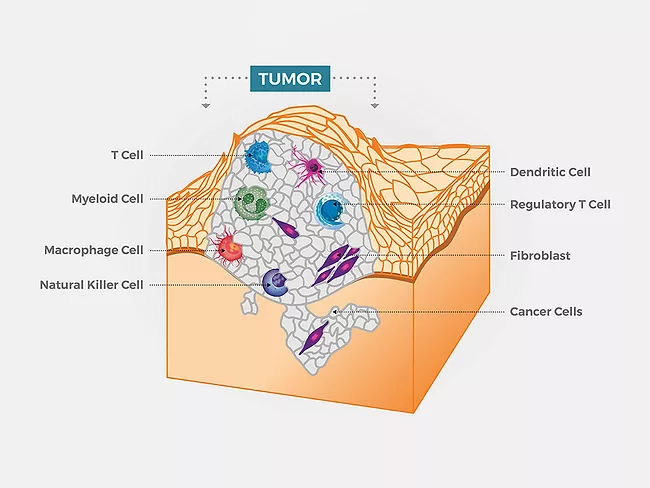
Recent evidence has suggested that secreted L-amino-acid oxidase, also known as interleukin-4-induced protein 1 (IL4I1), is involved in aromatic amino acid metabolism, as a key immunosuppressive enzyme expressed by tumor-associated myeloid cells, thus suppressing T-cell activation and proliferation within the tumor microenvironment.
Syracuse University recently presented a comprehensive preclinical program describing the rational design and optimization of peptide antagonists targeting the GDF15/GFRAL/RET receptor complex to mitigate nausea, emesis, anorexia and wasting associated with chemotherapy-induced stress signaling.
Transient receptor potential melastatin 3 (TRPM3) is a calcium-permeable TRP channel that is highly expressed in somatosensory neurons, including nociceptors of rodents and humans. Its activation triggers acute pain, making drugs that target TRPM3 a potential approach to alleviate pain. Biohaven Ltd.’s BHV-2100 is the only selective TRPM3 antagonist in clinical development. The company recently disclosed the work leading to its discovery and early development, as well as the chemical structure.
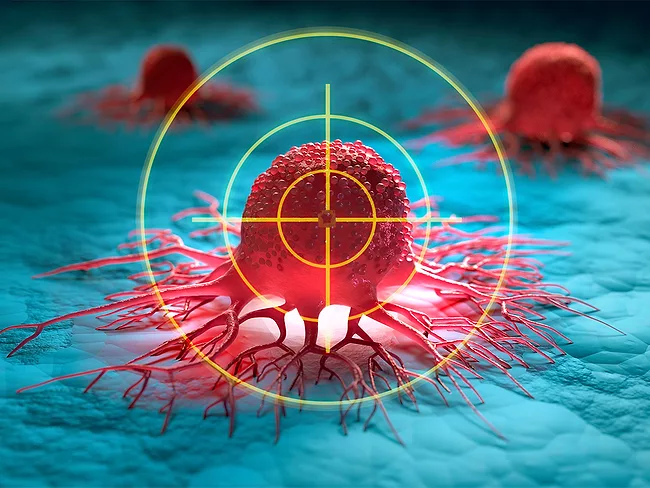
The discovery and development of new histone lysine acetyltransferase KAT6 inhibitors is a significant advancement in the management of breast cancer. Investigators from Olema Pharmaceuticals Inc. and Aurigene Oncology Ltd. recently presented data for their KAT6 inhibitor, OP-3136, as an approach for breast cancer.
Acute kidney injury (AKI), although sometimes reversible, is associated with an increased risk of chronic kidney disease (CKD) and progression to end-stage renal disease (ESRD). Reactive oxygen species (ROS) contribute to maladaptive repair and progression to CKD.
Caspase-2-mediated cleavage of tau at Asp314 generates a neurotoxic fragment, Δtau314, that drives early synaptic dysfunction in Alzheimer’s disease (AD) and frontotemporal dementia (FTD). This fragment accumulates at synapses, disrupts glutamatergic signaling and contributes to cognitive impairment in vivo.
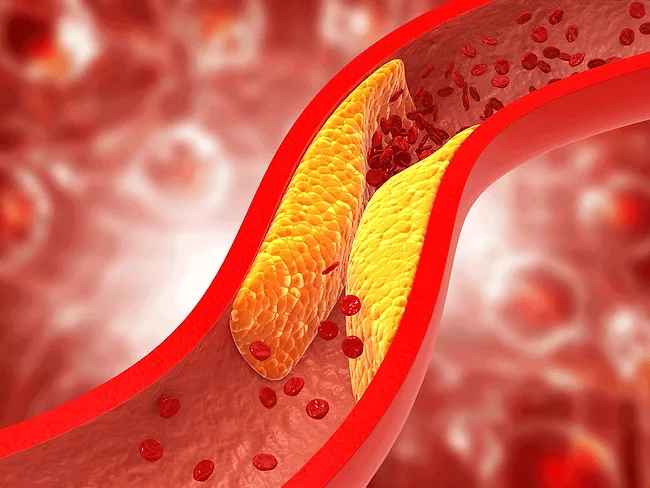
Abstracts released ahead of the American College of Cardiology meeting held in late March in New Orleans, along with the start of dosing near the end of January in Novartis AG’s phase IIb trial with siRNA therapy DII-235, also known as BW-20829, perked up the already-lively lipids/heart space.
Pemphigus vulgaris (PV) is a life-threatening autoimmune disease affecting the skin, causing painful erosions on the skin and mucous membranes. PV is caused by IgG4 autoantibodies that target desmoglein 1 (DSG1) and DSG3, which are involved in keratinocyte cell-cell adhesion. There is a high unmet medical need for PV, since current therapies rely on systemic corticosteroids and immunosuppressants.
Copper overload within the body may lead to cancer, neurodegenerative diseases, inflammation or fibrosis, among others. Copper chelation is an effective strategy to counteract this potential overload; mitochondria play an important role, as they are the main copper-using organelles in the cells. Copper chelators have been developed, but they have shown some undesired off-target effects and low specificity, which suggests the need for new therapies in the field.
CBL-B is a RING-type E3 ubiquitin ligase that acts as a negative regulator of T-cell activation, contributing to immune homeostasis by limiting excessive immune responses. In cancer, however, this inhibitory role can impair the immune system’s capacity to detect and eradicate tumor cells. Researchers from Genentech Inc. presented the design and optimization of a series of CBL-B-targeting molecular glues.
 RSS
RSS