The House Select Committee on China launched an investigation into clinical trials involving U.S. companies that are conducted at Chinese military hospitals and in Xinjiang, China.
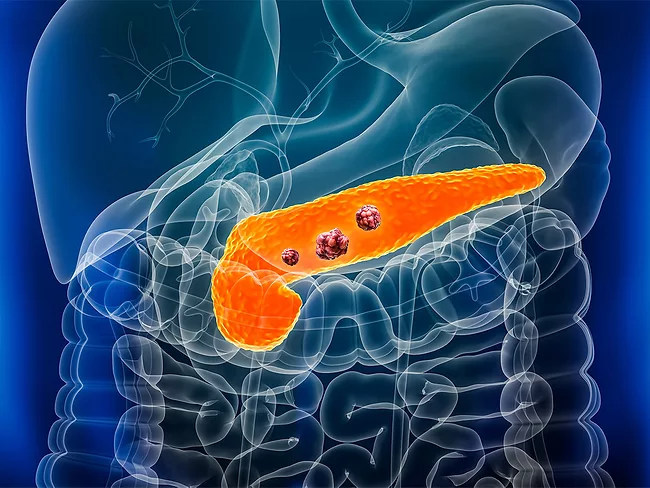
The data mill continues to churn out encouraging results in pancreatic ductal adenocarcinoma (PDAC), with shares of Ramat Gan, Israel-based Can-Fite Biopharma Ltd. benefiting from the latest, phase IIa dispatch that pushed shares (NYSE:CANF) up 58%, or $1.73, to close July 1 at $4.70.
To Ivan Oransky, China’s paper-mill problem is best understood as an incentives story. “This is literally organized crime,” the Retraction Watch co-founder told BioWorld. “Follow the money. When there’s an opportunity to make money, they will find it, and if your whole career is based on how often you publish and what journals you publish in and how often you’re cited, it’s not surprising that leads to bad behavior.”
As China becomes a major source of global clinical trial evidence, the retraction of a high-profile China-led lung cancer study is raising questions about whether journals, regulators and drug developers have adequate systems to validate fast-moving clinical claims.
Astrazeneca plc has returned to China’s CSPC Pharmaceutical Group Ltd. for another discovery collaboration, this time in a deal worth up to $1.77 billion to use CSPC’s siRNA drug discovery platform and extrahepatic targeted delivery technology to develop small nucleic acid drug candidates.
Novartis AG is to pay $1.1 billion up front to acquire Myricx Bio Ltd., a preclinical-stage antibody-drug conjugate (ADC) specialist that is advancing a novel and more potent class of payload. With the first two programs due to enter clinical development before the end of the year, the Swiss pharma also will pay up to $400 million more in potential milestones. The centerpiece of the deal is London-based Myricx’s N-myristoyltransferase inhibitors, which in preclinical testing have prompted complete and durable tumor regression at well-tolerated doses in a range of solid tumors.
Wigen Biomedicine Technology (Shanghai) Co. Ltd. has synthesized new phosphatidylinositol 3-kinase α (PI3Kα) modulators potentially useful for the treatment of solid tumors and hematological cancers.
Spark Biopharma Inc. has identified new stimulator of interferon genes protein (STING; TMEM173) agonists potentially useful for the treatment of cancer.
Gilead Sciences Inc. has described new protein mono-ADP-ribosyltransferase TIPARP (PARP-7; ARTD14) inhibitors potentially useful for the treatment of cancer. 100% 10 mM HCl formulation suspension form of an exemplified compound (Ex 13 pg 135, claim 42) exhibited bioavailability (F) of 48% in beagle dog plasma at 30 mg (equiv.)/kg p.o.
Ono Pharmaceutical Co. Ltd. and Vanderbilt University have prepared and tested new prodrugs of potassium channel subfamily K member 10 (TREK2; KCNK10) and member 2 (TREK-1; KCNK2) inhibitors potentially useful for the treatment of cancer, pulmonary fibrosis, neurological disorders and more.
 RSS
RSS