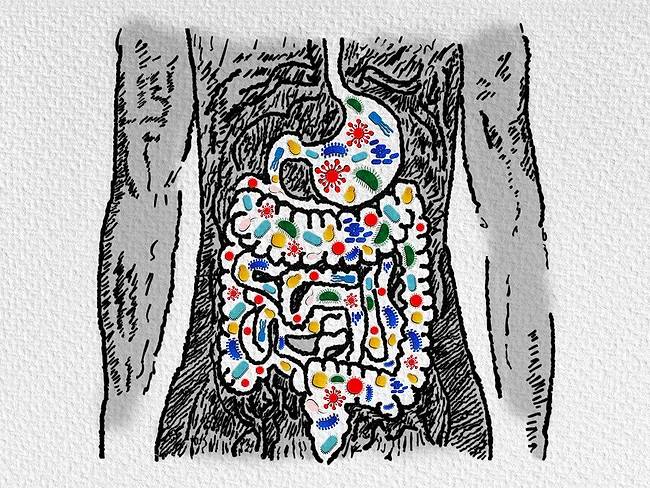
Cancer researchers are increasingly turning to the microbiome to understand why some patients respond well to treatment while others face severe complications. Gut microbial communities shift during intensive therapies such as bone marrow transplantation, and those changes influence infection risk, immune recovery and long‑term survival. New advances in microbial sequencing and engineering redefine this community as a measurable clinical parameter that can be monitored, modeled, and even therapeutically reshaped to improve outcomes in oncology and other conditions.
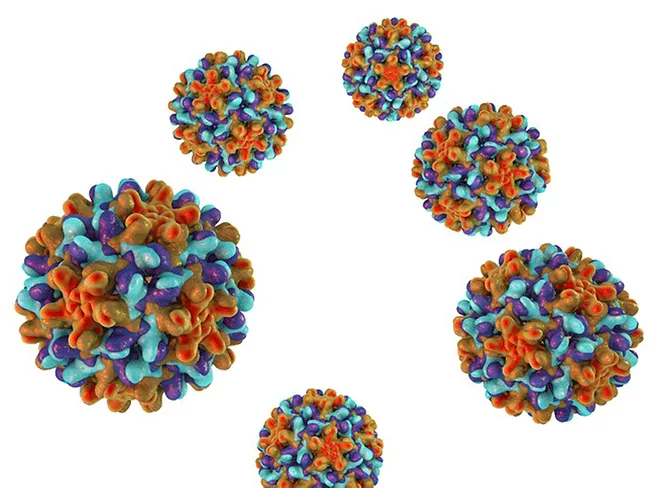
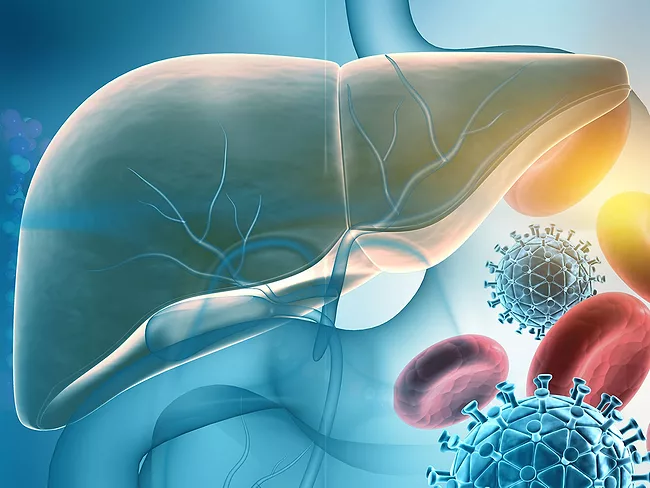
Researchers from Chongqing Medical University have presented data regarding an antiviral compound, KM-10411, derived from a FUBP1 inhibitor (FUBP1-IN-1), as a potential approach to treat hepatitis B virus (HBV) infections.
What appears to be a routine item on a routine list of the U.S. Department of Health and Human Services’ (HHS) proposed rulemakings for the next fiscal year is being seen as anything but routine, given HHS Secretary Robert Kennedy’s stance on vaccines and several commonly used drugs.
Island Pharmaceuticals Ltd. has secured government and ethics approvals to deploy its investigational antiviral galidesivir in patients infected during the escalating Bundibugyo Ebola outbreak in Africa, giving the small Australian biotech a rare opportunity to collect prospective human data in an active filovirus emergency.
Chronic liver disease and hepatocellular carcinoma (HCC) associated with chronic hepatitis B virus (HBV) are serious health problems in highly endemic areas. Investigators from the National Health Research Institutes have developed a protein-based recombinant vaccine, rHBx-rHBc149, for this unmet medical need.
Cancer researchers are increasingly turning to the microbiome to understand why some patients respond well to treatment while others face severe complications. Gut microbial communities shift during intensive therapies such as bone marrow transplantation, and those changes influence infection risk, immune recovery and long‑term survival. New advances in microbial sequencing and engineering redefine this community as a measurable clinical parameter that can be monitored, modeled, and even therapeutically reshaped to improve outcomes in oncology and other conditions.
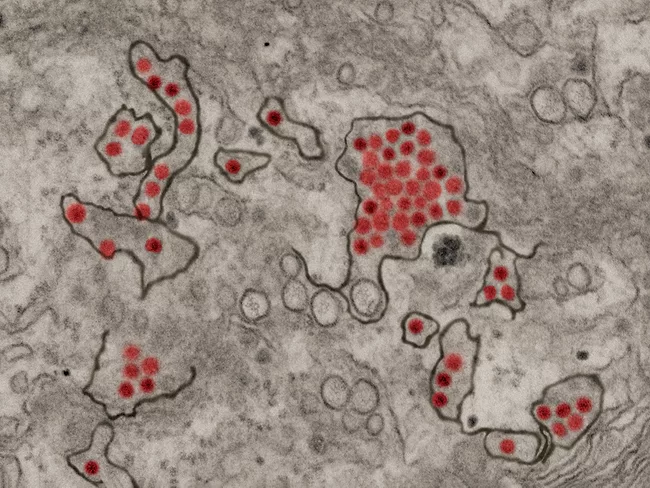
Ipsen SA announced its second acquisition of the week, saying it will pay €700 million (US$797 million) for Memo Therapeutics AG and its phase III-ready drug potravitug, a treatment for BK virus-associated infections and nephropathy in immune-compromised kidney transplant patients.
Telum Therapeutics SL has completed an €18 million (US$24 million) series A financing to advance its lead program targeting hospital-acquired bacterial pneumonia and ventilator-associated bacterial pneumonia caused by the multidrug-resistant gram-negative pathogen Acinetobacter baumannii.
Smartbax GmbH has announced the successful second closing of its pre-series A financing round for a total of €6.3 million (US$7.2 million) as it advances development of next-generation antibiotics against multidrug-resistant bacteria.
 RSS
RSS