Brown University, Florida Atlantic University and Florida International University have jointly identified new compounds potentially useful for the treatment of malaria.
Roche Holding AG has rapidly developed a research-use only molecular PCR test to detect the rare Ebola Bundibugyo virus, to support response efforts amid the ongoing outbreak in the Democratic Republic of Congo and Uganda. The test comes as commentary in The Lancet this week underscored the urgent need for a fit-for-purpose diagnostic test, as it warned that the absence of reliable testing is hampering efforts to ascertain the scale of the epidemic and understand the transmissibility of this strain of Bundibugyo virus.
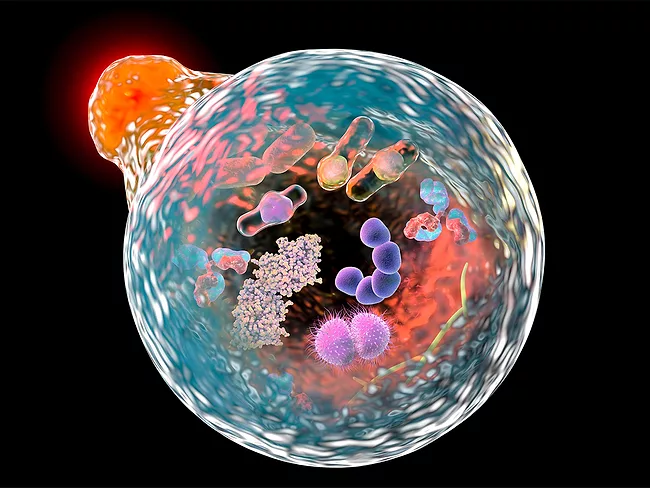
TRIM21, an enzyme involved in intracellular substrate degradation, can recognize viruses and bacteria that enter the cytosol when they are coated with antibodies. Just as it tags complex molecules for elimination, it can direct these infectious microorganisms to lysosomes through a mechanism its discoverers have termed antibody-directed xenophagy (ADX). Scientists at the Medical Research Council (MRC) Laboratory of Molecular Biology (LMB) in Cambridge, U.K., have identified the genes involved in this antibody-dependent degradation pathway, which acts as an antimicrobial process, and reported their findings in Molecular Cell on June 4, 2026.
Factor XIIa (FXIIa) has been explored as a therapeutic target for thrombosis and immune-mediated disorders due to its role at the interface of coagulation and inflammation. However, poor plasma stability and reversible target engagement have limited earlier approaches, underscoring the need for more durable next-generation inhibitors.
Nearly a year after Health and Human Services Secretary Robert Kennedy announced the U.S. was cutting off funding for Gavi, a global vaccine alliance, Secretary of State Marco Rubio said his department is reengaging with the organization in light of the ongoing Ebola outbreak in central Africa. In testifying before a June 2 Senate Foreign Relations Committee hearing, Rubio said the State Department made the decision to reengage a few weeks earlier with Gavi. He provided no detail of what that engagement looks like.
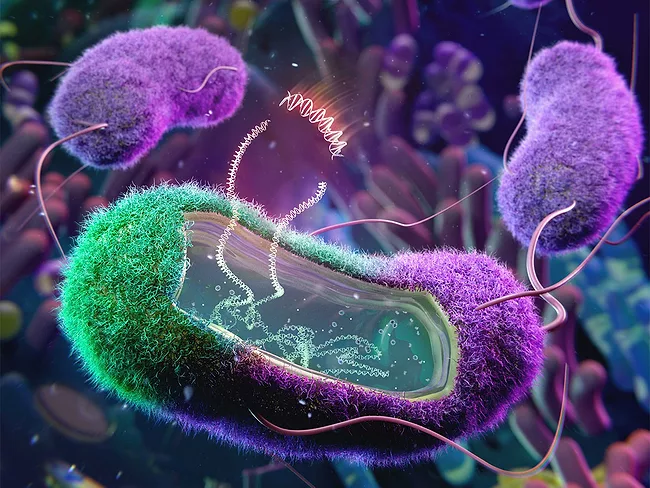
Shiga toxin-producing Escherichia coli (STEC) represents a public health threat that can lead to serious problems, such as bloody diarrhea and hemolytic uremic syndrome in children in up to 10%-15% of cases. Antibiotics that normally combat diarrhea are not recommended for STEC infections and patients are usually treated only for symptomatology. Now, French researchers from Eligo Bioscience SA and their collaborators have published a paper on a CRISPR-based antimicrobial approach, EB-003.
Researchers from Ospedale San Raffaele presented the preclinical characterization of SR-1891, a long-acting capsid assembly modulator (CAM) in models of chronic hepatitis B. In Hepa D38 cells, the compound exhibited EC50 and EC90 values of 0.2 and 0.8 nM, respectively, without any detectable cytotoxicity.
The Coalition for Epidemic Preparedness Innovations (CEPI) has announced funding and support to urgently accelerate development of three investigational vaccines targeting the Bundibugyo Ebola virus.

 RSS
RSS