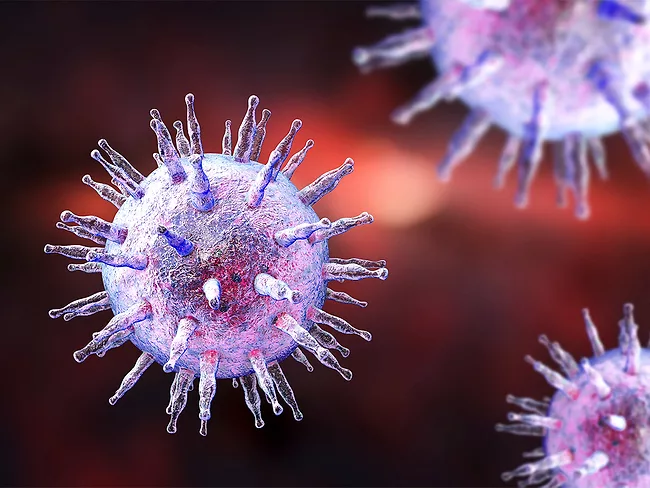
Maxwell Biosciences Inc. has reported findings from a study showing that its broad-spectrum small molecules, named Claromers, are able to destroy Epstein-Barr virus. Claromers destroy pathogenic bacteria, viruses, fungi and biofilms, without harming healthy cells or the microbiome.
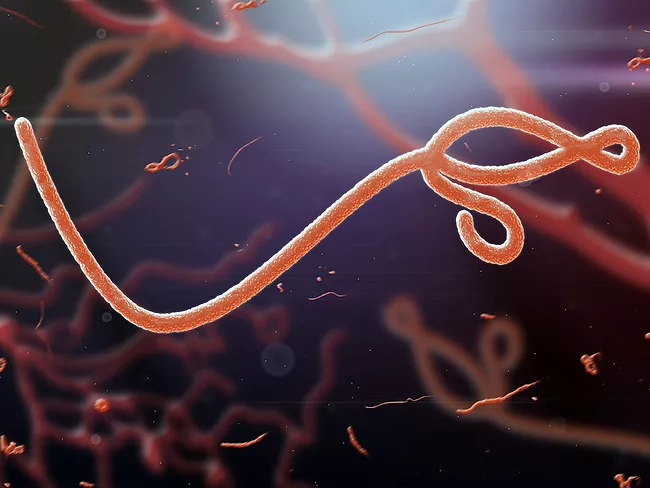
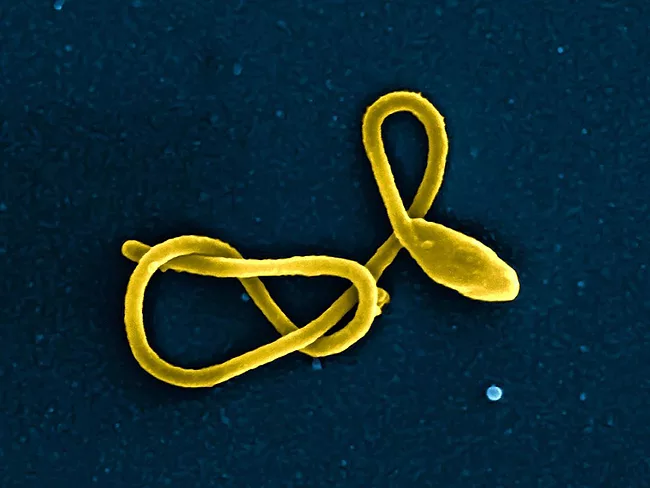
The threat posed by the Ebola outbreak in the Democratic Republic of Congo has intensified, with the confirmation that it is caused by the Bundibugyo species of the virus, for which there are no approved vaccines or antiviral therapies. At the same time, the high positivity rate, with eight laboratory confirmed cases out of 13 samples collected in various areas, and more reports of suspected cases and clusters of deaths, all point to a potentially much larger outbreak than currently is being detected and reported.
It’s back to the drawing board for the U.S. CDC’s Advisory Committee on Immunization Practices (ACIP). After a year of Health and Human Services Secretary Robert Kennedy gutting the panel and restocking it mostly with people who share his views on vaccines, the CDC published a notice in the May 19 Federal Register saying it’s withdrawing the amended ACIP charter renewal issued April 6 and is instead “re-establishing” the committee.
On Sunday, May 17th, 2026, the World Health Organization classified the ongoing Bundibugyo ebolavirus outbreak in the Democratic Republic of Congo (DRC) as a public health emergency of international concern (PHEIC). The rapid escalation to PHEIC is due to several factors. Given the high number of cases, the outbreak has likely been going undetected for some time, and may be a “much larger outbreak than what is currently being detected and reported, with significant local and regional risk of spread,” according to the WHO statement. The outbreak appears to already have crossed the border from the DRC into Uganda at least twice. And all this is happening with a virus for which there are no approved treatments or vaccines.
On the heels of the ouster of Marty Makary as the U.S. FDA commissioner and the serial leadership vacancies at the CDC and the FDA’s drugs and biologics centers, the government’s adherence to science took another blow May 16 when Sen. Bill Cassidy, R-La., lost the Louisiana primary, ending his bid for re-election.
On Sunday, May 17th, 2026, the World Health Organization classified the ongoing Bundibugyo ebolavirus outbreak in the Democratic Republic of Congo (DRC) as a public health emergency of international concern (PHEIC). The rapid escalation to PHEIC is due to several factors. Given the high number of cases, the outbreak has likely been going undetected for some time, and may be a “much larger outbreak than what is currently being detected and reported, with significant local and regional risk of spread,” according to the WHO statement. The outbreak appears to already have crossed the border from the DRC into Uganda at least twice. And all this is happening with a virus for which there are no approved treatments or vaccines.
The threat posed by the Ebola outbreak in the Democratic Republic of Congo has intensified, with the confirmation that it is caused by the Bundibugyo species of the virus, for which there are no approved vaccines or antiviral therapies. At the same time, the high positivity rate, with eight laboratory confirmed cases out of 13 samples collected in various areas, and more reports of suspected cases and clusters of deaths, all point to a potentially much larger outbreak than currently is being detected and reported.
If the recent hantavirus outbreak wasn’t enough to keep public health officials busy, a new Ebola virus disease outbreak has been confirmed by authorities in the Democratic Republic of the Congo. While sequencing is ongoing to identify the Ebola species, experts have noted early results suggesting it appears to be different from the Zaire species that has caused previous outbreaks, including the deadliest outbreak in West Africa a decade ago, meaning existing vaccines and antibody treatments likely will not be effective.
Directed evolution has become a central pillar in gene therapy. This engineering strategy enables the generation of more efficient variants of genetic editors and delivery vectors. Molecular diversification methods are increasingly sophisticated and are now accelerated by machine learning and AI tools, as showcased at the 29th Annual Meeting of the American Society of Gene and Cell Therapy (ASGCT) held in Boston this week.
The number of cases of hantavirus infection has risen from eight to 11, following the repatriation of passengers from the cruise ship MV Hondius, with World Health Organization (WHO) Director General Tedros Adhanom Ghebreyesus warning the danger is not over. “In fact, it has entered a new phase as the passengers and crew return home,” he told attendees of a meeting at WHO’s headquarters in Geneva on May 13.
 RSS
RSS