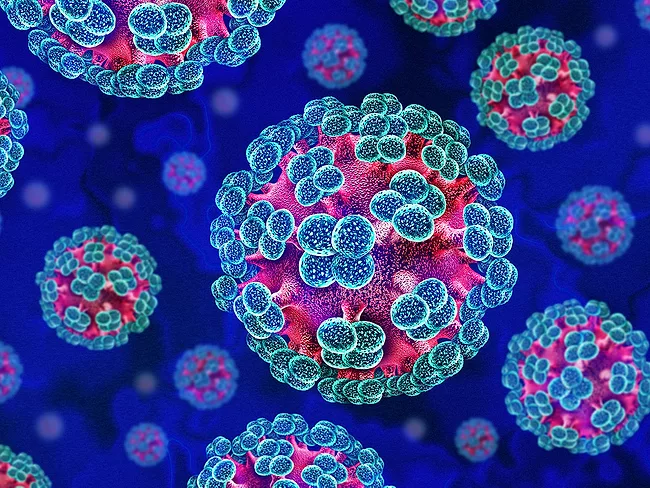
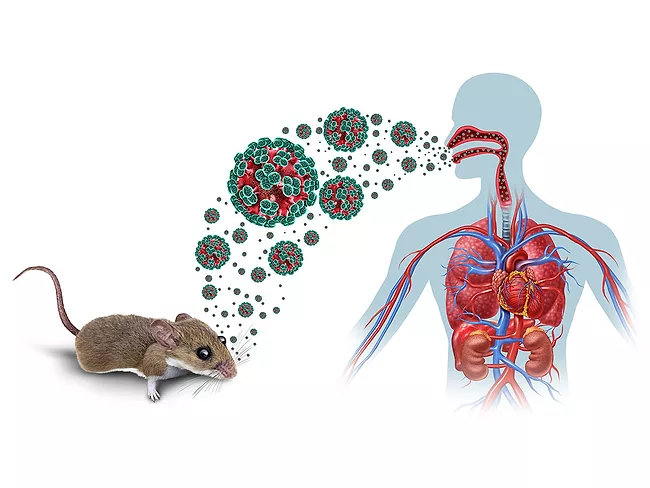
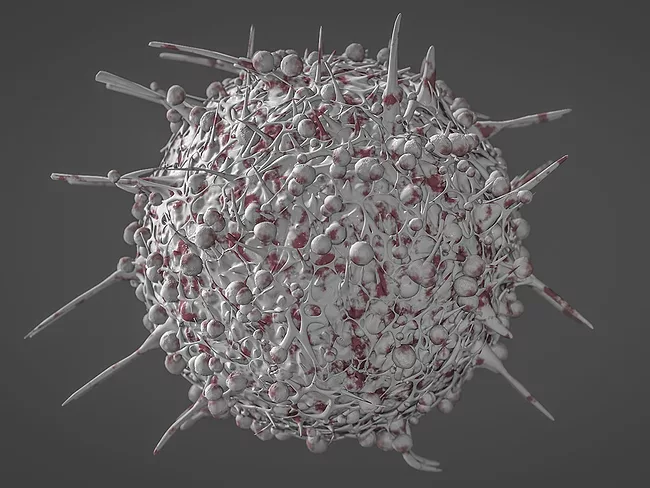
Singapore’s Communicable Diseases Agency on May 7 said that it isolated two residents for hantavirus testing after the individuals disembarked from an Atlantic cruise ship on May 2 and May 6, respectively. The measure comes in response to the cluster of cases from the cruise ship, MV Hondius, that has resulted in three deaths so far.
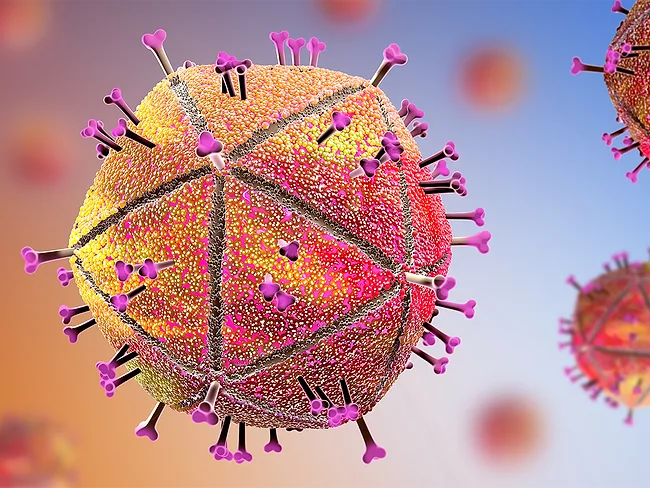
A designed chimeric virus induced broadly neutralizing antibodies against the macaque equivalent of HIV. The strategy works in two steps: first it uses an envelope protein with a mutation that reduces the glycan shield that makes it invisible to the immune system, and then it exposes the part of the protein most likely to generate these antibodies capable of blocking many variants of the virus. The macaques developed potent and diverse antibodies with this approach, which pave the way for the development of an HIV-1 vaccine.
The initial appraisal of the first complete genome sequence of a hantavirus isolated from a patient in Switzerland who was a passenger on the cruise ship MV Hondius is consistent with a spillover from its natural reservoir, rather than the emergence of a markedly altered virus.
Infex Therapeutics Ltd. has secured £4.3 million (US$5 million) to support the continued advancement of the company’s pipeline of novel anti-infectives targeting antimicrobial resistance and other priority infectious diseases.
Fibrobiologics Inc. is expanding its fibroblast-based therapeutic platform to target hantavirus. The pathophysiology of hantavirus pulmonary syndrome involves uncontrolled inflammatory responses, endothelial barrier dysfunction and progressive pulmonary fibrosis, mechanisms that Fibrobiologics’ fibroblast platform is specifically designed to modulate.
The initial appraisal of the first complete genome sequence of a hantavirus isolated from a patient in Switzerland who was a passenger on the cruise ship MV Hondius is consistent with a spillover from its natural reservoir, rather than the emergence of a markedly altered virus.
A new mRNA and lipid nanoparticle (mRNA-LNP) platform could selectively reprogram in vivo cytotoxic effector T cells (Teff), the cells responsible for eliminating infected or tumor cells. To achieve this, scientists at the University of Pennsylvania conjugated LNPs with fractalkine, a molecule that binds to the CX3CR1 receptor, which is a marker of Teff cells. Using this strategy, the researchers delivered an mRNA encoding new proteins such as IL‑2 or human CD62 L‑selectin, opening the door to temporarily reprogramming these cells within the body, both in the blood and in lymphoid tissue, where they reside and become activated.
The University of Hong Kong has patented new transcription antitermination protein NusB/N-utilization substance E (NusE) interaction inhibitors reported to be useful for the treatment of gram-positive or gram-negative bacterial infections and fungal infections.
Boyuan Pharmaceutical (Suzhou) Co. Ltd. has disclosed new herpes simplex virus (HSV) inhibitors potentially useful for the treatment of HSV infection and dementia.
Researchers from Sunshine Biopharma Inc. and the University of Arizona reported the discovery and preclinical characterization of MR-1-114, a noncovalent inhibitor of the SARS-CoV-2 papain-like protease (PLpro).
 RSS
RSS