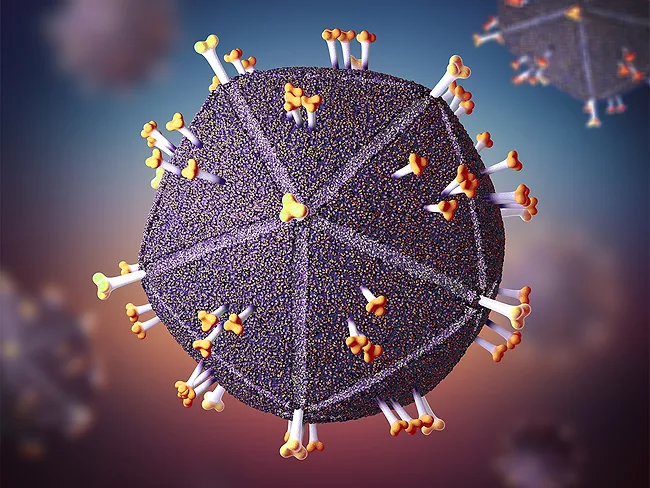
A new vaccination strategy designed to induce antibodies that recognize the apex of the HIV Env protein uses Env trimers displayed on liposomes to increase their density and orient them correctly. This presentation enhanced apex-focused antibody responses in macaques, and the monoclonal antibodies isolated after immunization showed binding modes and structural features resembling human broadly neutralizing antibodies (bNAbs), indicating that the vaccine can steer the antibody response toward this vulnerable site.
The U.S. Department of Health and Human Services (HHS) has appealed a recent federal ruling that put on hold several changes to the childhood vaccine schedule and the Advisory Committee on Immunization Practices as reconstituted by HHS Secretary Robert Kennedy.
Aventera Antibodies AB has successfully raised SEK14.5 million (US$15.6 million) in a funding round to support the preclinical development of the company’s lead drug candidate for life-threatening streptococcal infections.
An alleged coverup of NIH-funded gain-of-function research at China’s Wuhan Institute of Virology has led to criminal charges against a former career scientist and top aide to Tony Fauci, the head of the National Institute of Allergy and Infectious Diseases in the time of the COVID-19 pandemic.
CARB-X (Combating Antibiotic-Resistant Bacteria Biopharmaceutical Accelerator) is awarding US$2.6 million to Adjane Holding BV to advance the development of a vaccine candidate to prevent infections caused by Neisseria gonorrhoeae.
Multidrug-resistant Klebsiella pneumoniae is a major health problem globally, with relevant infection-related mortality reported. Researchers from the Instituto de Salud Carlos III in Spain and their collaborators recently presented data regarding an outer membrane vesicle (OMV) vaccine for the management of K. pneumoniae infection, Kp-OMV4.
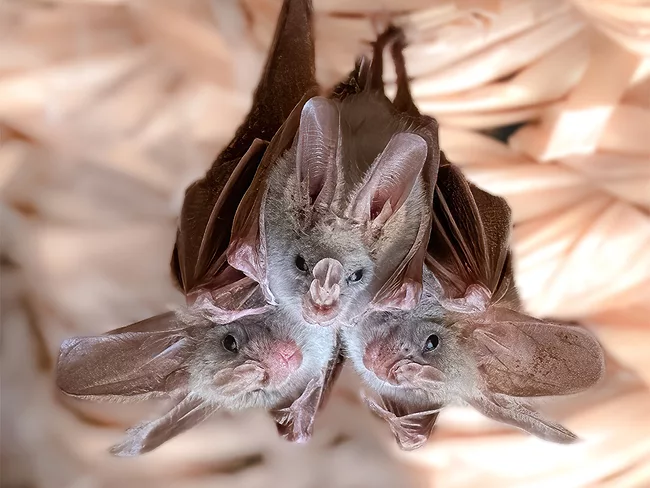
Researchers in the U.K. have developed an AI-driven method of identifying viruses in wild animals with the potential to spillover into humans. The technique makes it possible to use the genome sequences of the spike proteins by which viruses enter host cells to assess the potential to infect humans without having to isolate an individual virus and tests its infectivity in the lab.
The Global Health Innovative Technology (GHIT) Fund has invested in a number of R&D projects for the development of drugs for malaria, including a global partnership led by Medicines for Malaria Venture (MMV), Tanabe Pharma Corp. and the University of Georgia.
Klebsiella pneumoniae and Acinetobacter baumannii are both major contributors to the global antimicrobial resistance crisis, causing rapidly progressive and often severe infections. Researchers from Vaxdyn SL and collaborators presented efficacy data for K-Vax, an inactivated, LPS-null whole-cell A. baumannii-based vaccine engineered to display conserved K. pneumoniae outer-membrane proteins on the bacterial cell surface.
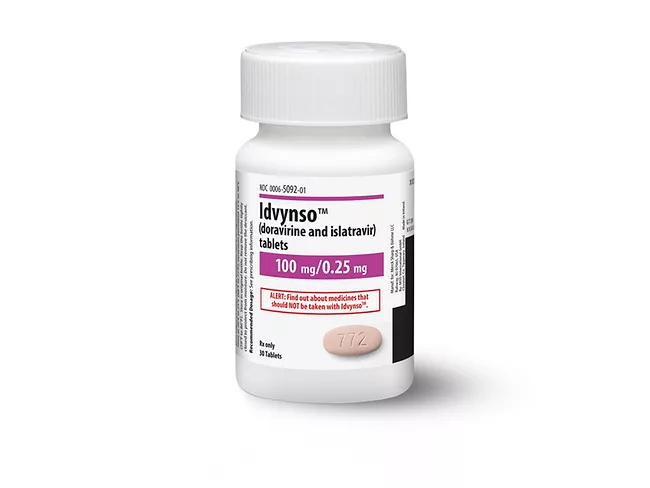
Arriving a week ahead of April 28 PDUFA date, the U.S. FDA approval of Merck & Co. Inc.’s Idvynso (doravirine/islatravir) brings a new treatment option to adults with HIV-1 infection who are virologically suppressed. The approval is for those with no history of virologic treatment failure and no known substitutions associated with resistance to doravirine.
 RSS
RSS