Broadly neutralizing antibodies (bNAbs) target conserved HIV envelope regions to neutralize diverse strains, eliminate infected cells and reduce viral reservoirs, complementing antiretroviral therapy and supporting prevention and functional cure strategies.
The EMA’s Committee for Medicinal Products for Human Use recommended approval of Moderna Inc.’s Mcombriax (mRNA-1083), positioning it to potentially become the world’s first combination vaccine for both seasonal influenza and COVID-19.
In an all-cash transaction valued at €780 million (US$920 million), Asahi Kasei Corp. offered to buy Aicuris Anti-infective Cures AG, expanding its infectious disease portfolio with a marketed cytomegalovirus product and a herpes treatment nearing an NDA.
Researchers from Synklino A/S have published preclinical data supporting the potential of SYN-002, a targeted antiviral therapy that eliminates human cytomegalovirus (HCMV)‑infected cells by specifically targeting US28, a CMV‑encoded receptor expressed during infection.
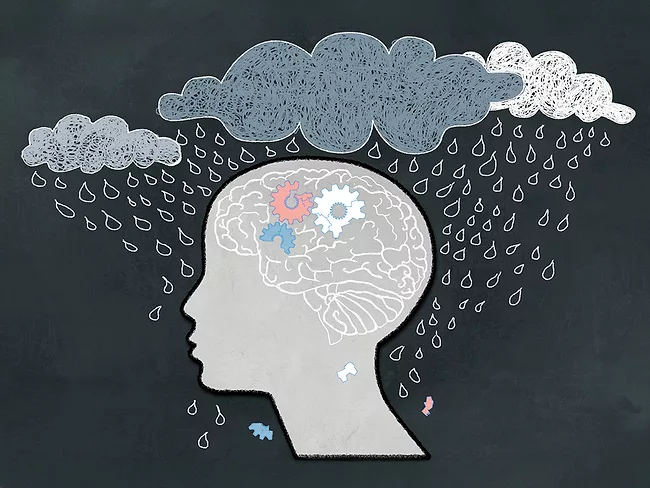
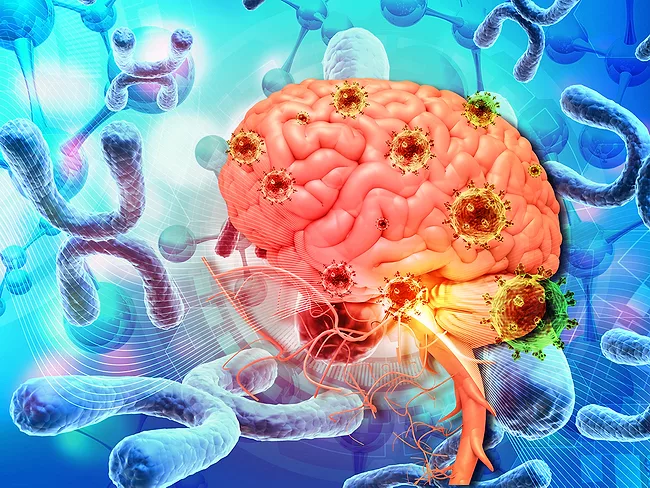
The effects of aging pose an additional challenge for people with HIV due to the neurological and psychological consequences that persist despite antiretroviral therapy. At the Conference on Retroviruses and Opportunistic Infections (CROI) held Feb. 22-25, 2026, in Denver, the scientific community examined how the virus affects the brain, how the reservoir is established in the CNS, and which genetic, immunological or treatment-related factors influence cognitive health.
U.S. Health and Human Services Secretary Robert Kennedy is facing a second lawsuit challenging his replacement of all the members of the Advisory Committee on Immunization Practices (ACIP) and seeking to undo the CDC’s Jan. 5 revision of its childhood immunization schedule.
Researchers from Model Medicines Inc. have presented preclinical efficacy data for MDL-001, a first-in-class, oral non-nucleoside inhibitor that targets an allosteric site in the Thumb-1 domain of the viral polymerase.
Antiretroviral therapies against HIV have been in use for more than 30 years and have enabled people living with HIV to maintain undetectable viral levels. Many of them are aging in good health. However, others present symptoms of cognitive decline. HIV can reach the brain and establish a reservoir there. Yet, it is still unknown what this reservoir is like, which cells are affected, and which comorbidities are typical of aging or are associated with the virus.

 RSS
RSS