Claudin 18.2 (CLDN18.2) is a member of the claudin family and is overexpressed in gastric, gastroesophageal junction and pancreatic cancer, among others. Researchers from Elevation Oncology Inc. recently presented preclinical efficacy data on the combination of EO-3021, an antibody-drug conjugate (ADC) targeting CLDN18.2, with VEGFR-2 or PD-1 inhibitors in models of gastric adenocarcinoma.
Mixed results for three of Bicycle Therapeutics plc’s zelenectide pevedotin development programs preceded a strong drop in the company’s stock. Bicycle shares (NASDAQ:BCYC) dropped 31.3% on Dec. 13 to close at $13.81 each, the stock’s lowest price in the past 12 months.
Researchers from University of Toledo and Temple University have performed preclinical studies on the novel beta-lactam, MC-100093, for its potential in the treatment of alcohol dependence.
Researchers form Shanghai Zhimeng Biopharma Inc. presented preclinical data for CB-03, a voltage-gated potassium channel-2/3 (Kv7.2/Kv7.3; KCNQ2/3) opener for the treatment of patients with refractory epilepsy and other neuropsychiatric disorders.
Opna Bio AG has presented promising data regarding their EP300/CBP inhibitor OPN-6602 for the treatment of multiple myeloma (MM). The inhibition of EP300/CBP causes cell cycle arrest and apoptosis in MM cells due to suppression of interferon regulatory factor 4 (IRF4) and MYC repression.
To address the existing challenges with CAR T-cell therapy, scientists at Umoja Biopharma Inc. developed the Vivovec platform, which is an off-the-shelf surface-engineered lentiviral vector (LVV) drug product designed to generate CAR T cells in vivo without lymphodepletion by selectively binding, activating and transducing T cells.
Researchers from State University of New Jersey (Rutgers) presented preclinical data for PW-507, a sigma-1 receptor antagonist being evaluated for the treatment of binge eating disorder.
Pathogenic variants in the KCNT1 gene, which encodes potassium channel subfamily T member 1, cause a severe childhood developmental epileptic encephalopathy.
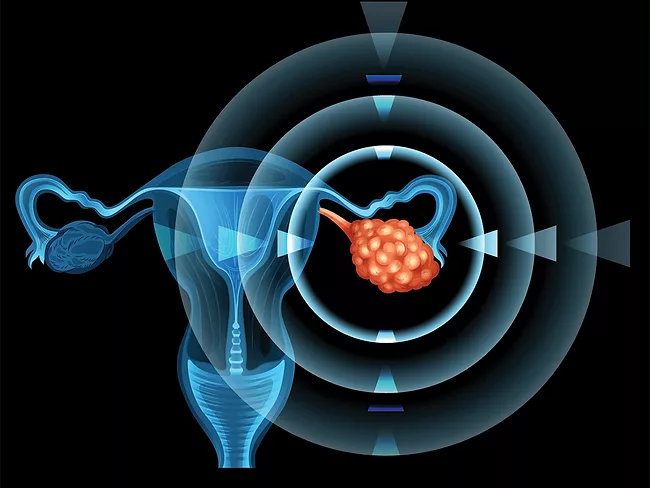
Gynecological cancers with amplifications in the CCNE1 gene, which encodes cyclin E1, usually exhibit resistance to standard therapies. Since cyclin-dependent kinase 2 (CDK2) is the primary partner of cyclin E, CDK2 inhibitors represent a potentially effective treatment strategy for these malignancies.
In a presentation at the recent American Society of Hematology meeting in San Diego, Kite Pharma Inc. reported preclinical data for KITE-753, an autologous rapid manufactured anti-CD19/CD20 CAR T-cell therapy being developed for the treatment of B-cell malignancies.
 RSS
RSS