It has been previously demonstrated that while cancer cells with defects in ataxia telangiectasia mutated kinase (ATM) signaling are susceptible to ataxia telangiectasia and Rad3-related (ATR) inhibition following treatment with DNA-damaging drugs, normal cells can tolerate ATR inhibition by activating an ATM-mediated compensatory DNA damage response.
Conformation-X Therapeutics LLC has closed an oversubscribed funding tranche of $3.65 million to support the company’s development of a pipeline of immunotherapies that activate both the innate and adaptive arms of the immune system.
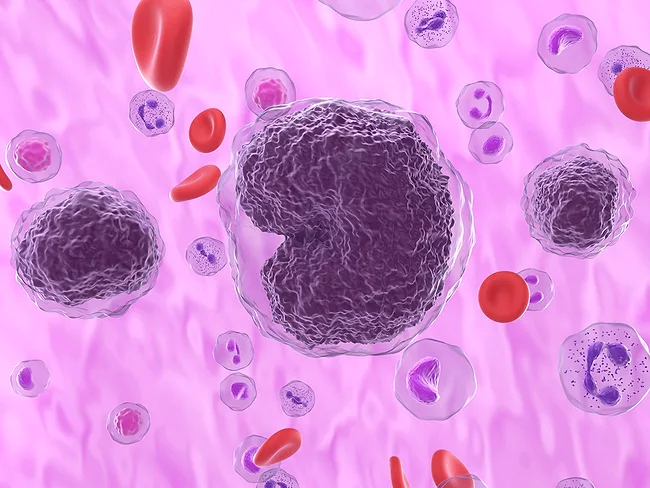
Verismo Therapeutics Inc. has submitted an IND application to the FDA seeking to initiate a phase I trial this year of Synkir-310 for the treatment of relapsed or refractory B-cell non-Hodgkin lymphomas (B-cell NHL), including diffuse large B-cell lymphoma, follicular lymphoma, mantle cell lymphoma and marginal zone lymphoma.
Researchers from China Pharmaceutical University published data detailing the discovery and preclinical evaluation of novel tubulin polymerization inhibitors as potential anticancer agents.
Hypoxia-inducible factor 2α (HIF-2α) is a transcription factor that plays a key role in oxygen homeostasis and response to tumor hypoxic microenvironment of cancer cells. Previous research has suggested that inhibition of HIF-2α is a promising antitumor approach, particularly against tumors associated with mutant von Hippel-Lindau (pVHL).
Alterome Therapeutics Inc. has closed a $132 million series B financing to support the advancement of its pipeline of next-generation, small-molecule targeted cancer therapies into the clinic, including a highly specific AKT1 E17K inhibitor and a KRAS selective inhibitor.
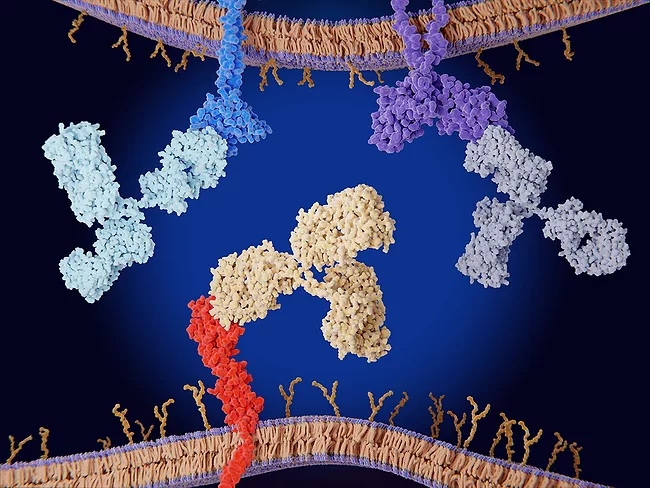
Cytomx Therapeutics Inc. has announced the nomination of the second clinical candidate under its Probody T-cell engaging bispecific (TCB) collaboration with Astellas Pharma Inc. The two companies are collaborating on multiple conditionally activated TCB programs, with T-cell engagers offering new possibilities for the treatment of solid tumors.
Natural killer (NK) cells play a crucial role in cancer immunosurveillance. Circulating NK cells can kill target cells without prior sensitization. There are some receptors known to impact the activity of NK cells, such as the inhibitory NK cell receptor TIM3, among others, which recognizes phosphatidylserine on the surface of cells. More research has been performed using targeted or genome-wide CRISPR screening to identify cancer cell genes that impact NK cell-killing ability.
Investors might not have been overly excited, but Genmab A/S executives enthused about the “complementarity” of its proposed acquisition of antibody-drug conjugate (ADC) specialist Profoundbio Inc. for $1.8 billion in cash. The deal, expected to close in the first half of 2024, marks the biggest by far for the Copenhagen, Denmark-based biopharma and the latest transaction for the red hot ADC space.
The U.S. FDA accepted for review Daiichi Sankyo Co. Ltd.’s and Astrazeneca plc’s BLA for datopotamab deruxtecan to treat adults with unresectable or metastatic hormone receptor-positive, HER2-negative breast cancer who have received prior systemic therapy for unresectable or metastatic disease.

 RSS
RSS