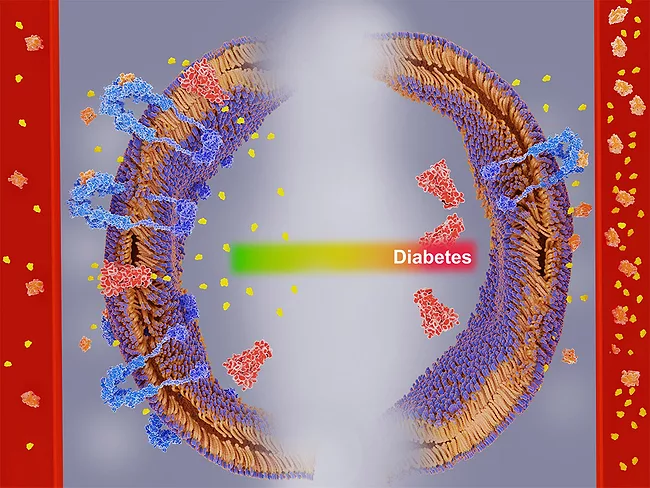
Adrenomedullin, a hormone first identified in an adrenal medullary tumor, disrupts the effect of insulin on the endothelium of blood vessels, leading to insulin resistance linked to obesity and type 2 diabetes. The clue to this discovery lies in a molecular pathway that could be blocked to restore insulin function.
Microglia play a crucial role in neuroinflammation after ischemic brain injury. Previous data have shown that leukocyte immunoglobulin-like receptor B4 (LILRB4) was upregulated in mice after middle cerebral artery occlusion (MCAO), but the role it plays here is not well understood. The role LILRB4 plays in ischemic brain injury was thus investigated. LILRB4 expression was measured in mice at different time points after MCAO.
Early dysfunction of the endothelial/blood-brain barrier (BBB) is involved in the pathogenesis of cerebral small vessel disease (SVD), which is a contributor to about 50% of dementias. Sphingosine-1-phosphate (S1P) is a sphingolipid that regulates the BBB integrity when bound to its receptor S1P1 on endothelial cells.
Researchers from Sun Yat-sen University and affiliated organizations published data from a study that aimed to assess the role of the TNF receptor-associated factor 6 (TRAF6), E3 ubiquitin ligase previously shown to be involved in cardiovascular diseases, in formation of abdominal aortic aneurysm (AAA).
Myocardial infarction remains one of the leading causes of mortality, which is usually complicated by the occurrence of ischemic ventricular arrhythmias, which in turn increase the risk of sudden cardiac death in patients with myocardial infarction.
One potentially serious complication of obstructive sleep apnea (OSA) is pulmonary hypertension (PH). Based on previous research that revealed involvement of perivascular immune and inflammatory responses in regulation of vascular remodeling and PH processing, researchers from Fudan University investigated the immunologic factors linked to OSA-induced PH.
CF Pharmtech Guangzhou Ltd. and CF Pharmtech Hongkong Ltd. have identified prodrugs of treprostinil reported to be useful for the treatment of pulmonary hypertension and pulmonary fibrosis.
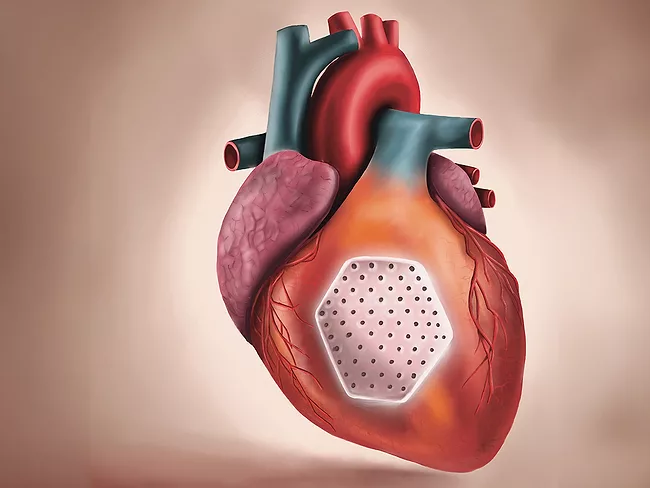
Implanted patches of iPS cell-derived heart muscle integrated with heart tissue in a primate model of heart failure, and in patients being treated in a clinical trial, marks progress toward a potential option for patients with advanced heart failure.
Novartis AG has synthesized new sodium channel protein type 5 subunit alpha (SCN5A; Nav1.5) blockers reported to be useful for the treatment of heart failure, long QT syndrome, hypertrophic cardiomyopathy, angina pectoris, myotonia, ventricular tachycardia, atrial and ventricular fibrillation, among others.
Myocardial fibrosis is a key process for heart failure development that may lead to severe phenotypes, including cardiac arrest or sudden death. Vasorin (VASN) is a protein with high expression in the cardiovascular system and its upregulation had been found to protect smooth muscle cells from calcification.
 RSS
RSS