Hypertrophic cardiomyopathy (HCM) is a condition that limits tolerance to exercise and predisposes people to sudden cardiac death due to mutations in sarcomeric genes. Researchers from Cedars-Sinai Medical Center have tested TY-1, a chemically modified oligonucleotide-based drug inspired by the previously tested EV-YF1, in mice with HCM.
Onkure Therapeutics Inc. has announced an oversubscribed $150 million private placement which the company intends to use to fund the preclinical and clinical development of its next-generation PI3Kα pan-mutant selective inhibitor candidates in breast cancer and vascular anomalies.
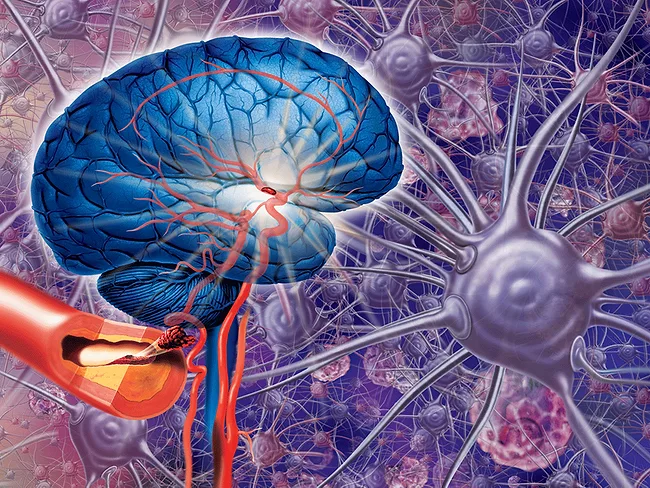
Sichuan Primed Shines Bio-Tech Co. Ltd. researchers have published results on their investigation regarding SYW-06 oral dosing and its impact on cognitive function in monkeys submitted to middle-cerebral artery occlusion (MCAO).
Immutrin Ltd. has successfully raised £65 million ($87 million) in series A financing to advance its lead asset through clinical proof of concept in ATTR cardiomyopathy. Immutrin’s novel antibody selectively binds to amyloid fibrils and is engineered to deplete amyloid deposits in tissue via a targeted and coordinated immune response.
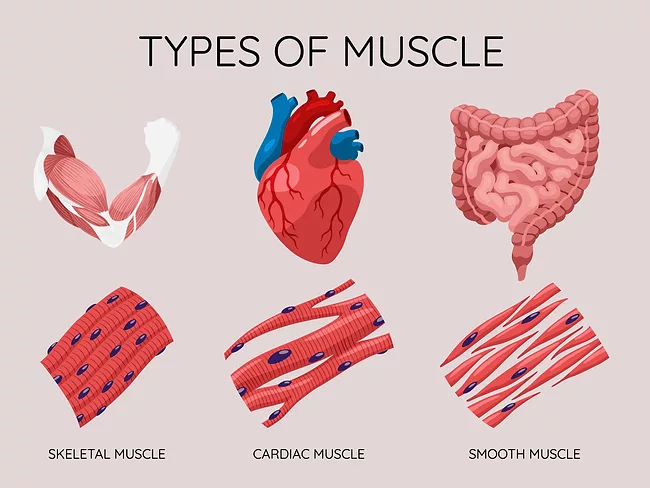
In Duchenne muscular dystrophy (DMD), deficiency of dystrophin leads to cardiomyocyte membrane instability, abnormal calcium influx, and progressive fibrotic remodeling of cardiac tissue. Histone deacetylase 6 (HDAC6) contributes to disease progression by regulating cytoskeletal dynamics and proteostasis in dystrophic muscle cells. Consequently, inhibition of HDAC6 represents a potential therapeutic strategy for addressing both the skeletal and cardiac manifestations of DMD.
Entering its first major cardiovascular disease collaboration with a biopharma company, while it advances two internal gene therapies, Tenaya Therapeutics Inc. signed on with Alnylam Pharmaceuticals Inc. to deliver up to 15 novel genetic targets that could lead to new heart disease medicines. The deal comes with $10 million up front, and up to $1.13 billion is available to South San Francisco-based Tenaya if all targets meet certain milestones, leading to approved therapeutics that Alnylam develops and commercializes.
Jiangsu Hengrui Pharmaceuticals Co. Ltd. and Shanghai Hengrui Pharmaceutical Co. Ltd. have disclosed amide-substituted cycloalkyl compounds acting as relaxin receptor 1 (RXFP1; LGR7) agonists potentially useful for the treatment of heart failure and hypertension.
Targeting rare cardiomyopathy conditions with no approved disease-modifying therapies, Atrium Therapeutics Inc. started operations in San Diego, assuming the public listing and technology once held by Avidity Biosciences Inc., an RNA company acquired by Novartis AG for about $12 billion. Novartis closed the M&A, announced last October, as Atrium unveiled its pipeline and a $270 million cash position.
Retex Pharmaceuticals Inc. has patented vasopressin V2 receptor antagonists potentially useful for the treatment of hyponatremia, cardiovascular disorders, autosomal dominant and autosomal recessive polycystic kidney.
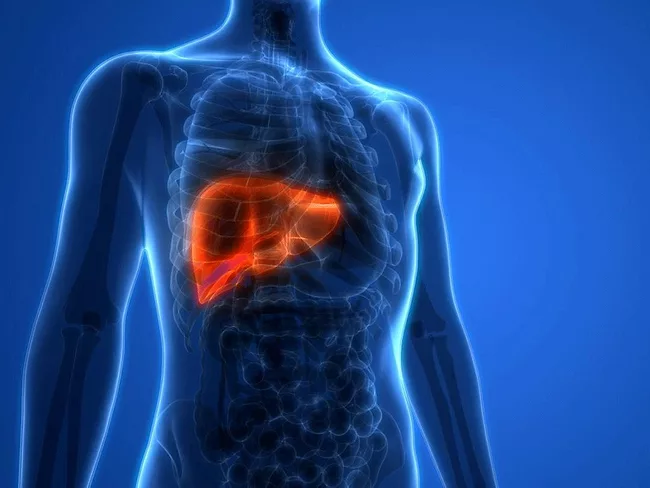
Hepatic ischemia-reperfusion injury (HIRI) is a severe pathologic condition associated with poor outcomes when individuals suffer from hemorrhagic shock, liver resection or transplantation surgery, leading to severe liver impairment and sometimes dysfunction in other organs. Chinese researchers have explored the potential of prolyl 3-hydroxylase OGFOD1 as a target for HIRI management, since it has been reported as a crucial regulator of gene expression, especially for translation.
 RSS
RSS