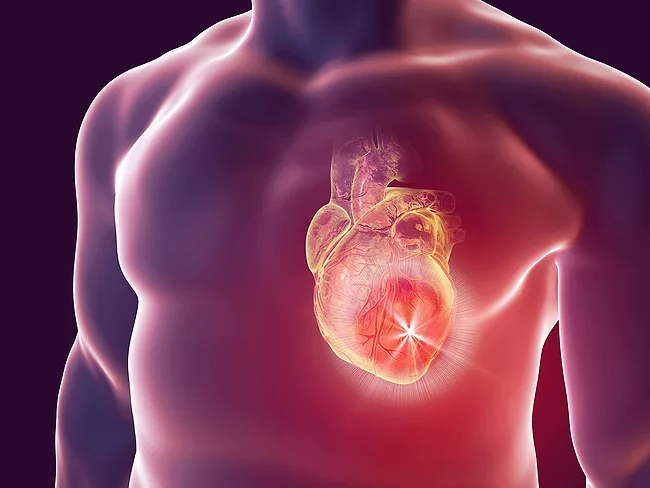
Affinia Therapeutics Inc. has obtained IND clearance from the FDA for AFTX-201, an investigational genetic medicine for the treatment of BAG3-associated dilated cardiomyopathy (DCM). The phase I/II UPBEAT trial will begin in the first half of this year.
Acute ischemic stroke still represents a public health challenge due to its high incidence and mortality rate. Current treatments may effectively restore the blood flow, but recanalization by opening occluded vessels does not guarantee a favorable prognosis.
Genentech Inc. is paying $200 million up front and up to $1.5 billion in milestone payments to license one of Suzhou Sanegene Bio Inc.’s RNAi programs. Metabolic and autoimmune-focused Sanegene did not disclose specifics around the licensed candidate, except that it was derived from its LEAD (Ligand and Enhancer Assisted Delivery) platform.
Acute inflammation is a physiological and host defense response to cardiac injury after suffering myocardial infarction (MI), which programmes cardiac repair and wound healing. Leukocyte-mediated innate inflammatory response is crucial to clear ischemic injury during MI; whilst macrophages produce specialized pro-resolving mediators such as maresin 1, the therapeutic potential of exogenous maresin 1 in cardiac repair is not clear.
Scientists from the Smidt Heart Institute, Cedars-Sinai Medical Center (Los Angeles, CA, USA) recently explored adeno-associated virus (AAV) vectors carrying the T-box transcription factor 18 (TBX18) transgene to produce a physiologically responsive biological pacemaker activity for the treatment of bradycardia.
Scribe Therapeutics Inc. is aiming to advance STX-1150, its lead product candidate for the treatment of hypercholesterolemia, into the clinic around the middle of this year. Hypercholesterolemia is a major driver of atherosclerotic cardiovascular disease.
Brain-derived tau, a protein that is exclusive to the brain and detectable in the blood, could serve as an indicator of brain damage after an ischemic stroke. The analysis of this special form of tau has revealed a relationship between high levels of the protein and extensive brain injury, a higher risk of complications, and poorer outcomes.
Once it was considered to be more or less a passive energy-storing device that could double as a cushion. But increasingly, fat is conceptualized as an endocrine organ as much as a tissue type. Now, separate research groups have reported new insights into the functional roles of different fats based on their anatomical location and functional characteristics.
Jiangsu Deyuan Pharmaceutical Co. Ltd. has described cytochrome P450 11B2, mitochondrial (CYP11B2; aldosterone synthase; ALDOS) inhibitors reported to be useful for the treatment of hypertension.
Bayosthiti AI Pvt Ltd. aims to make RNA sequencing and AI-based preventive health care affordable and accessible for the Indian market, leveraging intellectual property from its parent company, Biostate AI Inc.
 RSS
RSS

.webp?height=488&t=1750428815&width=650 "Interfering RNA (RNAi)")