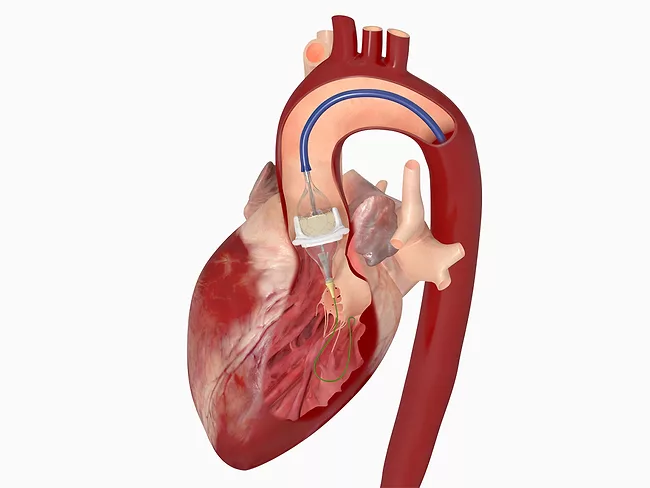
Medtronic plc reported data from a head-to-head trial backing its Evolut TAVR system against competitor Edwards Lifesciences Corp.’s Sapien platform, and the data showed particular promise of the Evolut in patients with a small aortic annulus, which would appear to be most beneficial for women in particular.
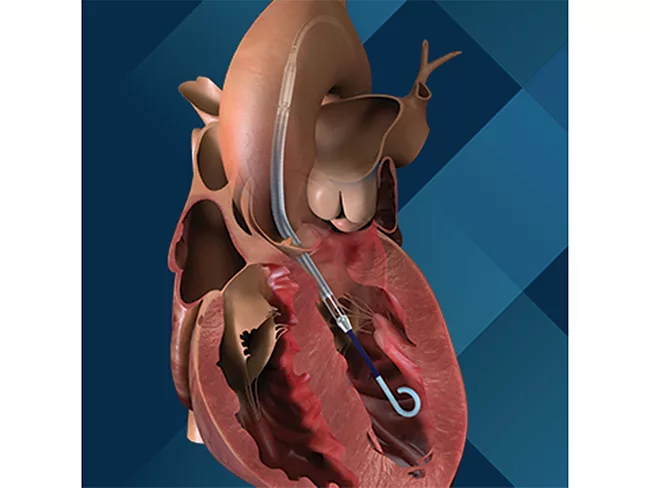
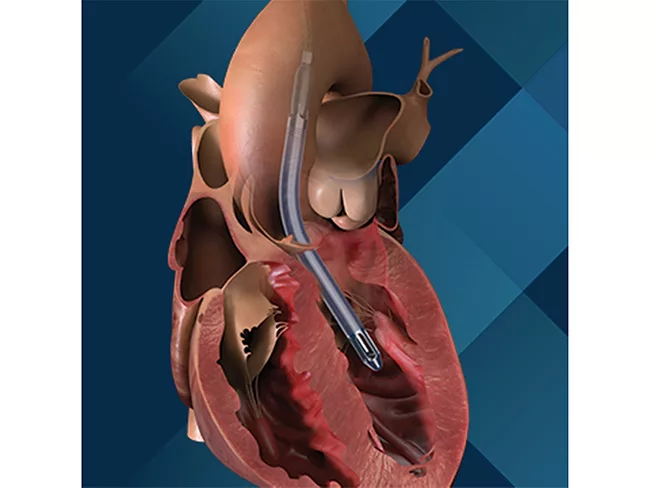
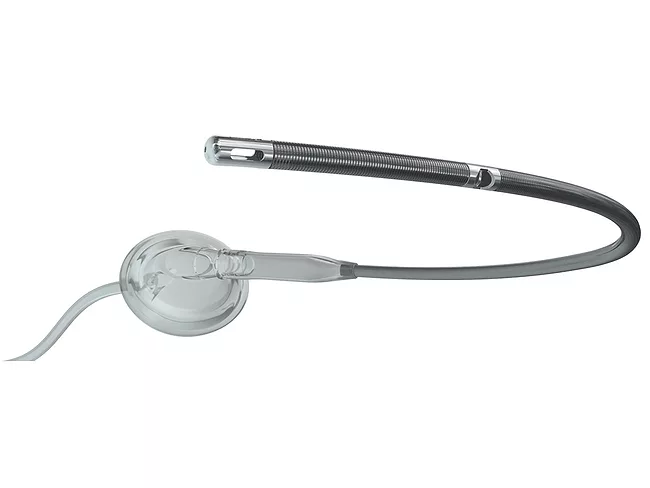
Routine use of Impella CP in patients who had a heart attack with cardiogenic shock cut mortality by 12.7% at six months compared to standard care, researchers reported in a late breaking presentation at the American College of Cardiology Scientific Sessions in Atlanta.
Med-tech powerhouse Johnson & Johnson made a bold bid to bolster its interventional cardiology holdings with the news on April 5 that it is acquiring Shockwave Medical Inc. for approximately $13.1 billion including cash acquired. The $335 per share cash price represents a more than 5% premium to Shockwave’s (Nasdaq: SWAV) April 4 closing price.
South Korean medical software firm Coreline Soft Co. Ltd. said it gained U.S. FDA 510(k) clearance for its artificial intelligence-based coronary artery calcification assessing solution, Aview CAC, while raising ₩18 billion (US$13.33 million) in a private placement.
Artificial intelligence (AI) is steadily making inroads into the world of health care, and San Francisco-based Eko Health Inc. has taken up the AI call with a stethoscope developed in conjunction with the Mayo Clinic that can detect low ejection fraction of the heart.
Abbott Laboratories reported the U.S. FDA approval of a new device specifically designed for the repair of leaky tricuspid heart valves. The Triclip was granted a PMA for the treatment of tricuspid regurgitation following the recent recommendation of the Circulatory System Devices Panel of the Medical Devices Advisory Committee for the FDA, whose vote confirmed 13 to 1, with 0 abstention that the benefits of Triclip outweighed the risks.
The U.S. FDA posted notice of a medical device correction of Abiomed Inc.'s Impella series of left-side blood pumps because of the risk of perforation of the left ventricle during device placement. The FDA noted that it has received 129 reports of serious injury and 49 reports of fatalities associated with these devices, but did not indicate whether device malfunction was the source of these adverse events. Abiomed advises customers that the device should be implanted “with special care” in patients during active cardiopulmonary resuscitation, and to review some updated warnings in the product’s instruction for use statement.
The U.S. FDA posted two warning letters to device makers in the second week of March 2024, one each to Exactech Inc., of Gainesville, Fla., and the other to Nobles Medical Technology II Inc., of Fountain Valley, Calif. The themes of these warnings are entirely different, with Noble receiving a warning regarding clinical trial oversight and Exactech taking a hit for routine good manufacturing compliance issues, showing that the FDA is active in the post-COVID compliance realm.
Pulsecath BV secured a CE mark under the Medical Device Regulation (MDR) for its Ivac 2L system, a percutaneous mechanical circulatory support device, four years after it began the process. “It took us four years and we spent more than €700,000 to get approval under the MDR for the same product that we already had CE mark for under the Medical Device Directive for the last 10 years or so,” Oren Malchin, CEO of Pulsecath, told BioWorld.
The Cardiovascular Research Technologies 2024 conference in Washington this week demonstrated continued positive outcomes for patients who underwent transcatheter aortic valve replacement with devices made by Abbott Laboratories, Edwards Lifesciences Corp. or Medtronic plc.
 RSS
RSS