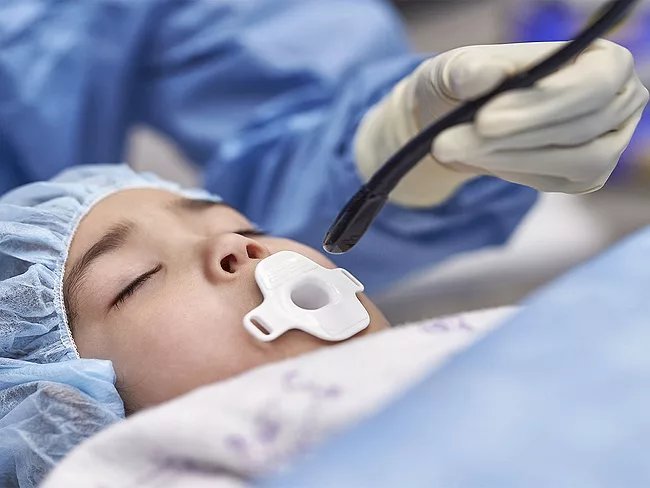
Royal Philips NV recently received some good news from the U.S. FDA which cleared its latest transesophageal echocardiography (TEE) ultrasound transducer, amidst ongoing efforts with the regulatory body to address problems with its sleep business. The X11-4t Mini 3D TEE transducer is 35% smaller than previous versions and is designed to provide cardiologists with high quality 3D images of the heart and its internal structure.
Edwards Lifesciences Corp. received some good news with the earlier-than-expected U.S. FDA approval of its Evoque tricuspid valve replacement system. The company beat out rival Abbott Laboratories for the honor of being the first transcatheter therapy to receive FDA approval.
The U.S. FDA added a second pulsed field ablation (PFA) system to the approved list with its greenlight for Boston Scientific Corp.’s Farapulse for treatment of atrial fibrillation (AF). Farapulse joins Medtronic plc’s Pulseselect, which garnered FDA approval in December. Two other PFA devices scored regulatory wins since the new year: Biosense Webster inc.’s Varipulse secured approval from the Japanese Ministry of Health Labor and Welfare and Sichaun Jinjiang Electronic Medical Device Technology Co. Ltd. got the nod from China’s National Medical Products Administration.
Sichuan Jinjiang Electronic Medical Device Technology Co. Ltd. received approval from China’s National Medical Products Administration (NMPA) approval for the commercial use of its PFA technology in the treatment of atrial fibrillation, making it the first pulsed field ablation device to gain approval in the country.
Intravascular ultrasound is the preferred imaging modality for a number of procedures conducted on the circulatory system, including some procedures performed in the peripheral vasculature, but adoption is seen in some quarters as sub-optimal. A trio of medical journals have published a consensus statement pressing the case for more widespread utilization of IVUS for peripheral artery disease, but one of the sources of drag is poor Medicare reimbursement, a problem that might only be resolved in a piecemeal fashion.
Ultromics Ltd. joined forces with Pfizer Inc. to expedite U.S. FDA clearance of its artificial intelligence (AI)-enhanced platform to aid early diagnosis of cardiac amyloidosis, also known as stiff heart syndrome. The company received FDA breakthrough device designation last year for Echogo Amyloidosis, which uses deep AI to analyze echocardiograms and detect the presence of cardiac amyloidosis, a serious condition often missed during standard heart assessments.
Biosense Webster Inc. scored approval from Japan’s Ministry of Health Labour and Welfare’s (MHLW) for its Varipulse pulsed field ablation platform to treat symptomatic drug-refractory recurrent paroxysmal atrial fibrillation on Jan. 9., making it the first PFA system approved in the country.
Orchestra Biomed Holdings Inc. randomized the first patient in the BACKBEAT pivotal study investigating the use of its atrioventricular interval modulation (AVIM) therapy as a treatment for patients with uncontrolled hypertension implanted with a Medtronic plc pacemaker. AVIM therapy is an investigational patented bioelectronic therapy designed to immediately and durably reduce blood pressure.
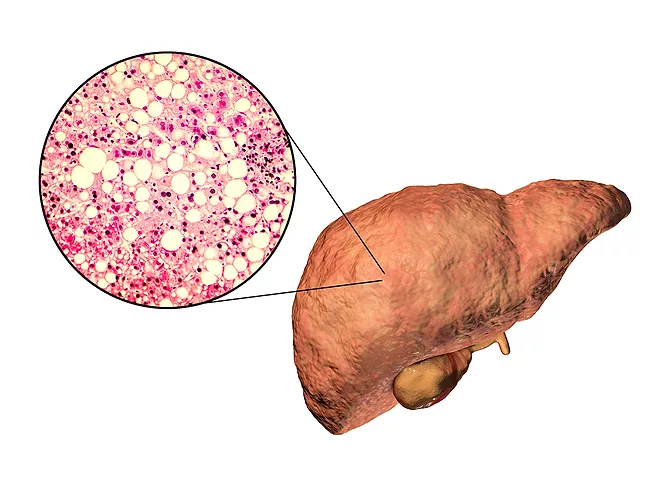
Boehringer Ingelheim GmbH partnered with Newcastle University and the University of Edinburgh to fund a £30 million (US$38 million) study into liver cirrhosis in a bid to provide scientists with new insights into liver health. The partners hope that the study will not only enhance the understanding of nonalcoholic or metabolic dysfunction-associated steatohepatitis (NASH/MASH) cirrhosis, but also help identify translational biomarkers using a cutting-edge approach called single-cell RNA sequencing to accelerate the development of future therapies.
Medtronic plc received CE mark for its latest miniature, leadless pacemakers, the Micra AV2 and Micra VR2. According to the company, they are the world's smallest pacemakers, provide a longer battery life, and are easier to program than previous Micra pacemakers, while maintaining the benefits of their predecessors such as reduced complications compared to traditional pacemakers.
 RSS
RSS