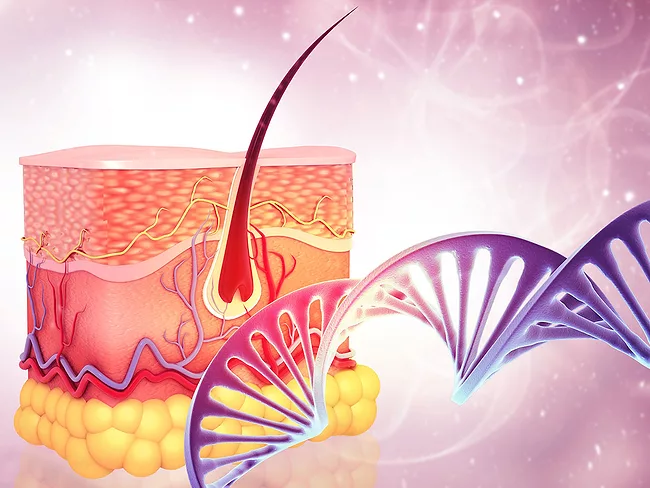
Dermatology specialist Leo Pharma A/S is moving into gene therapy with the $50 million acquisition of Replay Holdings LLC, a seed-stage company that is developing high capacity herpes simplex virus vectors to treat rare inherited diseases.
Pharmability AB (formerly Tirmed Pharma AB) has completed its GLP toxicology program for TIR-C, the company’s cutaneous drug candidate for atopic dermatitis, confirming a favorable safety profile.
In its largest acquisition to date, Chiesi Group is buying Kalvista Pharmaceuticals Inc. for $27 per share, a roughly 40% premium to the previous day’s closing price, putting the total deal value at about $1.9 billion. In return, the Italian pharma firm adds to its rare disease franchise Kalvista’s recently approved hereditary angioedema (HAE) drug, plasma kallikrein inhibitor Ekterly (sebetralstat), which has gotten off to a strong commercial launch as the only orally available, on-demand treatment for HAE.
Sun Pharmaceuticals Industries Ltd. will pay $11.75 billion cash to acquire Organon & Co. The transaction is expected to close in early 2027. The addition of Organon’s women’s health products, legacy drug brands and biosimilars are expected to boost Mumbai, India-based Sun’s global reach. The all-cash buy is also expected to relieve Jersey City, N.J.-based Organon of an $8.6 billion debt pile, accumulated after its debt-laden 2021 spinout from Merck & Co. Inc.
Sun Pharmaceuticals Industries Ltd. will pay $11.75 billion cash to acquire Organon & Co. The transaction is expected to close in early 2027. The addition of Organon’s women’s health products, legacy drug brands and biosimilars are expected to boost Mumbai, India-based Sun’s global reach. The all-cash buy is also expected to relieve Jersey City, N.J.-based Organon of an $8.6 billion debt pile, accumulated after its debt-laden 2021 spinout from Merck & Co. Inc.
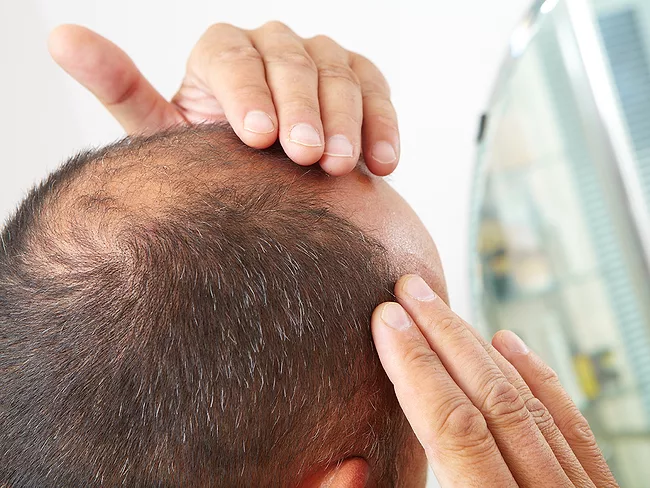
Shares of Veradermics Inc. spiked as the first top-line readout from its registrational program for VDPHL-01 showed the oral, extended-release version of minoxidil surpassed expectations in men with mild to moderate pattern hair loss, setting up commercial aspirations as a potential best-in-indication treatment option.
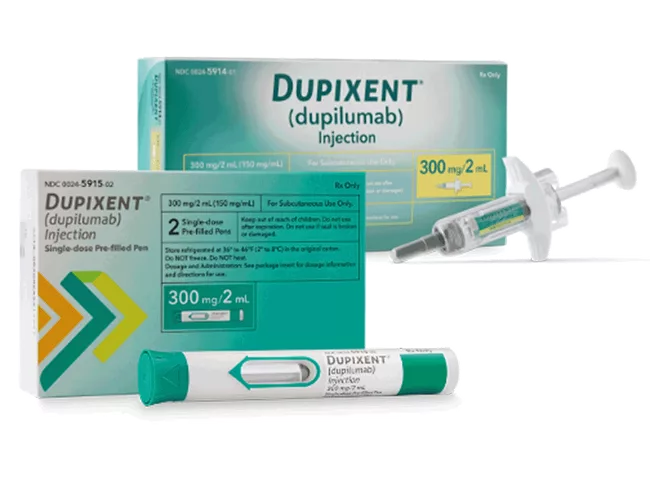
As Sanofi SA gets ready to welcome a new CEO, the company along with partner Regeneron Pharmaceuticals Inc. said a happy hello as well to robust sales of Dupixent (dupilumab, dupi) and gained U.S. FDA clearance for the IL-4 receptor alpha antagonist to treat children, ages 2 to 11, with chronic spontaneous urticaria who remain symptomatic despite histamine-1 antihistamine treatment.
Daiichi Sankyo. Co. Ltd. will begin a phased sale of its consumer health subsidiary, Daiichi Sankyo Healthcare Co. Ltd., to Suntory Holdings Ltd., as the Tokyo-based drugmaker sharpens its focus on oncology.
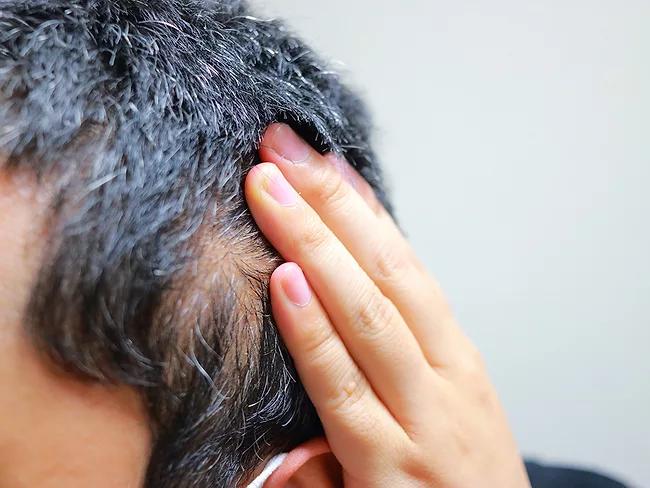
With rezpegaldesleukin (rezpeg) phase IIb data in alopecia areata holding strong over time, backers of Nektar Therapeutics Inc. are hopeful that the biologic can do for the hair loss market what Dupixent (dupilumab, Regeneron Pharmaceuticals Inc./Sanofi SA) did in atopic dermatitis.
Daiichi Sankyo. Co. Ltd. will begin a phased sale of its consumer health subsidiary, Daiichi Sankyo Healthcare Co. Ltd., to Suntory Holdings Ltd., as the Tokyo-based drugmaker sharpens its focus on oncology.
 RSS
RSS