Preveceutical Medical Inc. is working to accelerate the completion of its preclinical diabetes and obesity dual gene therapy program. The company is pursuing a dual-gene therapy strategy using in vitro validated Smart-siRNA sequences, which when paired with its proprietary bioresponsive lipid-nanoparticulate delivery systems, effectively target the PTPN1 gene.
The same mechanism of action deployed by Eli Lilly and Co.’s obesity drug Mounjaro (tirzepatide) helped lure Roche Holding AG to the buyout of Carmot Therapeutics Inc., as the pharma giant agreed to pay $2.7 billion up front for the privately held outfit, promising another $400 million if milestones are met.
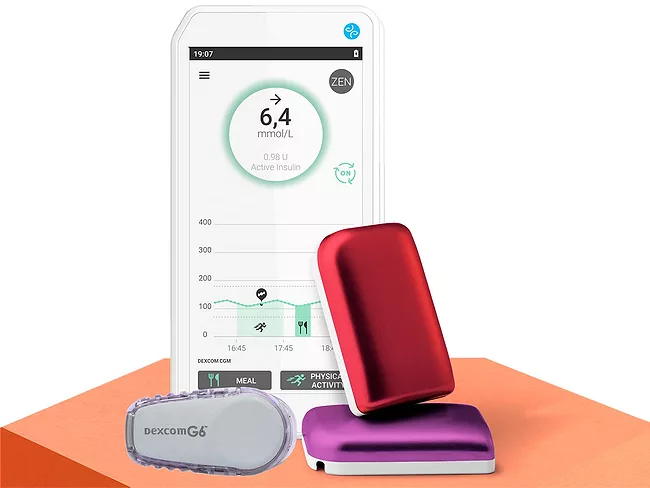
With hybrid closed-loop systems for automated insulin delivery increasingly being seen as life changing for people with diabetes, Vicentra BV has teamed up with Diabeloop SA and Dexcom Inc. to launch a system to help people with type 1 diabetes manage their condition.
Lysophosphatidylcholine acyltransferase 3 (LPCAT3), highly expressed in the liver, intestine, and adipose tissues, is an enzyme that preferentially incorporates polyunsaturated fatty acyl chain into lysophospholipids. Previous work showed that LPCAT3 and phospholipid remodeling play a crucial role in regulating glucose metabolism and contribute to the development of insulin resistance in type 2 diabetes.
The Swedish Medical Products Agency has authorized Uppsala University's clinical trial application to initiate an investigator-sponsored, first-in-human study of UP-421, an allogeneic, primary islet cell therapy engineered with Sana Biotechnology Inc.'s hypoimmune technology, in patients with type 1 diabetes.
Astrazeneca plc will pay up to $2 billion for Eccogene Co. Ltd.’s oral weight loss candidate, ECC-5004, as big and small pharma players alike work to gain ground in the burgeoning obesity market where Eli Lilly and Co. scored the latest U.S. FDA approval of Zepbound (tirzepatide).
Glucometrics Co. Ltd. is rolling out its self-developed application programming interface (API) for diabetes care in steps, and the latest partnership with G2E Co. Ltd. is underway to develop a smart insulin pen loaded with the interface.
The U.K. National Institute for Health and Care Excellence (NICE) has seen the nation’s spending numbers for diabetes, which is said to account for roughly 10% of healthcare spending in the U.K., and responded in a collaboration with the National Health Service (NHS).
Itolerance Inc. and Kadimastem Ltd. have submitted a meeting request to the FDA's INTERACT committee for ITOL-102, which is under development as a potential cure for type 1 diabetes without the need for chronic immunosuppression.
Orsobio Inc., already in the clinic with three candidates, has completed its $60 million series A financing. The company, CEO Mani Subramanian told BioWorld, has taken its time to find the right programs, put them together and only raised capital when it saw the programs had legs. Even the series A is a measured step, as Subramanian called the financing “modest.”
 RSS
RSS