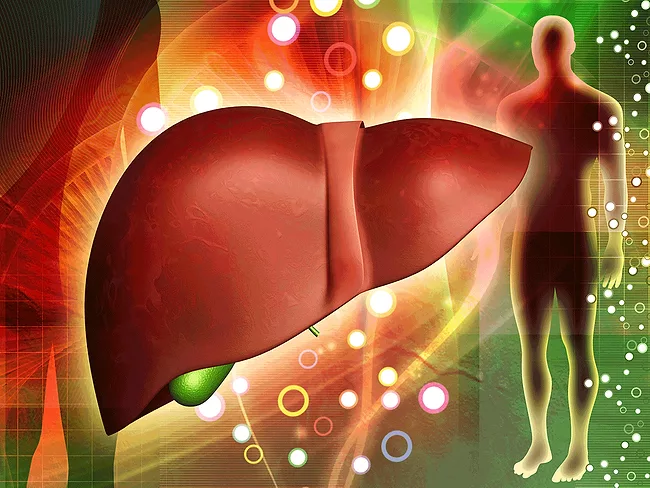
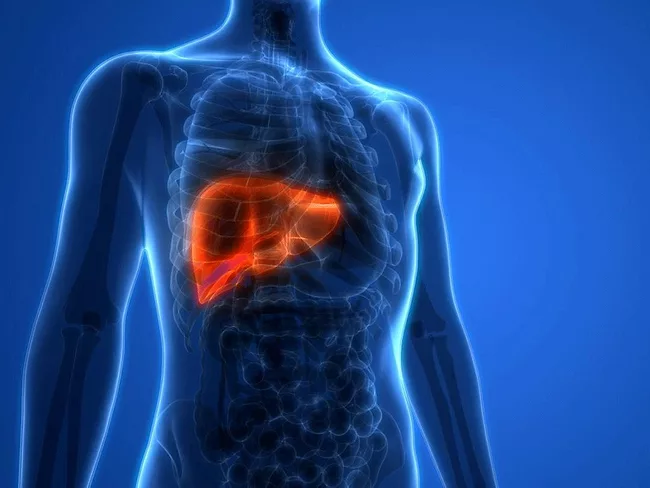
The farnesoid X receptor (FXR) is a nuclear receptor predominantly expressed in the liver, intestine and kidney. FXR is crucially involved in regulating bile acid homeostasis, controlling inflammatory responses in the liver, and regulating lipid and glucose metabolism. Therefore, FXR plays a role in regulating metabolic dysfunction-associated steatohepatitis (MASH) and has been proposed as a promising target for MASH drug development.
Madrigal Pharmaceuticals Inc. has signed an exclusive global license agreement with Suzhou Ribo Life Science Co. Ltd. and its subsidiary Ribocure Pharmaceuticals AB for six preclinical small interfering RNA (siRNA) programs.
Beijing Innocare Pharma Tech Co. Ltd. has gained IND clearance in China to conduct clinical trials of ICP-538, an orally administered molecular glue degrader targeting VAV1, which is a key protein downstream of T-cell and B-cell receptors. ICP-538 is being studied for the treatment of autoimmune diseases, such as inflammatory bowel disease, systemic lupus erythematosus and multiple sclerosis.
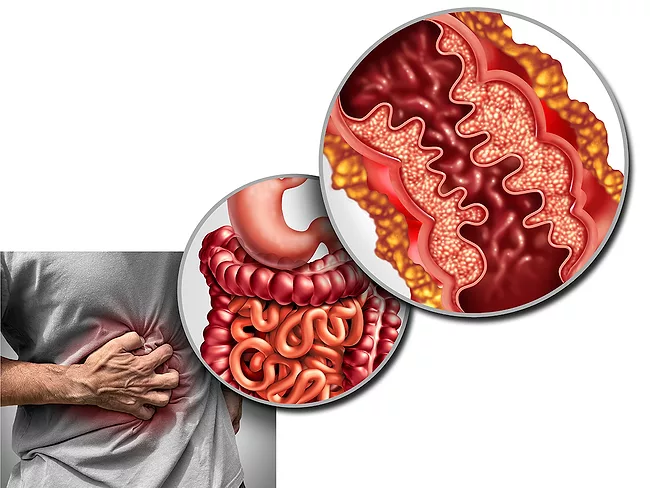
Inflammatory bowel disease (IBD), including ulcerative colitis and Crohn’s disease, is a chronic immune-mediated inflammatory disorder with limited long-term therapeutic options. Proteolysis-targeting chimeras (PROTACs) offer a promising strategy for IBD by enabling selective degradation of disease-relevant proteins and potentially improving efficacy and safety.
Wuxi Biologics Co. Ltd. and Sinorda Biomedicine have established a strategic collaboration for the development and manufacturing of SND-006, a novel bispecific antibody, for the treatment of inflammatory bowel disease and other autoimmune diseases.
Boehringer Ingelheim International GmbH and Simcere Pharmaceutical Group Ltd. have entered into a license and collaboration agreement to develop SIM-0709 for the treatment of inflammatory bowel disease.
NF-κB-inducing kinase (NIK), also known as MAP3K14, is the key kinase driving noncanonical NF-κB signaling and p100 processing. Researchers from China Pharmaceutical University reported the discovery and preclinical evaluation of a novel NIK inhibitor.
Increasing evidence exists regarding receptor-interacting protein kinase 1 (RIPK1), a necroptosis regulator, being involved in inflammation and fibrosis in chronic liver disorders. The relationship between necroptosis and the inhibition of RIPK1 were investigated in primary sclerosing cholangitis (PSC) in a recently published study using clinical specimens from patients.
Nanjing Chia Tai Tianqing Pharmaceutical Co. Ltd. has discovered somatostatin SST2 receptor agonists described as potentially useful for the treatment of acute pancreatitis and peptic ulcer bleeding.
Researchers from Shanghai Institute of Nutrition and Health and Guangming Advanced Research Institute (China) proposed a new strategy based on a circular RNA (circRNA) encoding human relaxin-2 (cRLN2). circRNAs, thanks to their high stability and low immunogenicity, have been proposed as promising new drugs for several applications.
 RSS
RSS