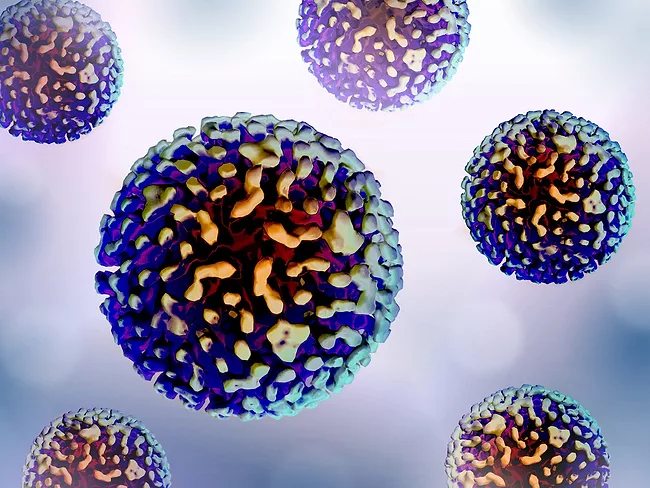
Researchers from Ospedale San Raffaele presented the preclinical characterization of SR-1891, a long-acting capsid assembly modulator (CAM) in models of chronic hepatitis B. In Hepa D38 cells, the compound exhibited EC50 and EC90 values of 0.2 and 0.8 nM, respectively, without any detectable cytotoxicity.
Alterations in PNPLA3, particularly the I148M variant, impair lipid metabolism in hepatocytes, leading to lipid accumulation and driving progression from steatosis to fibrosis and cirrhosis. Targeting this genetic driver may offer a strategy to reduce steatosis and limit disease progression.
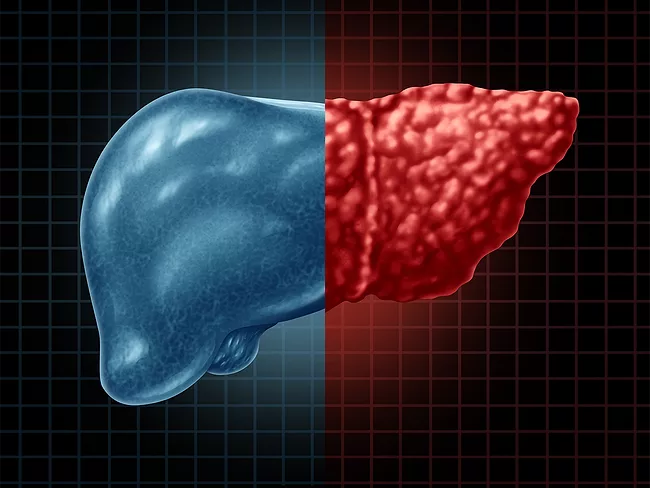
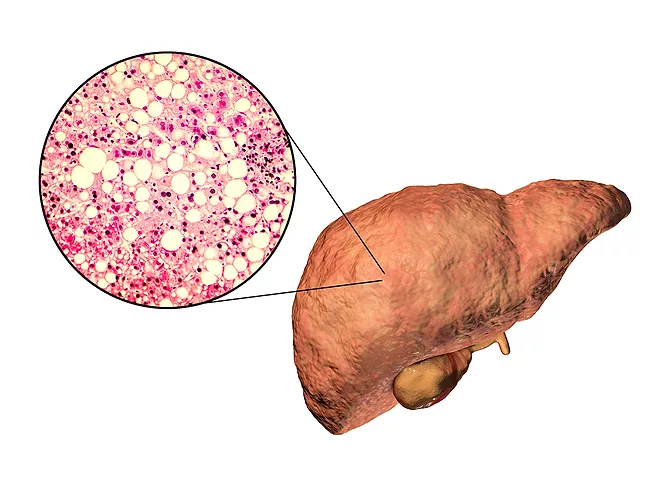
Metabolic dysfunction-associated steatohepatitis (MASH) is characterized by lipid accumulation in the liver and inflammation. Sterol O-acyltransferase 2 (SOAT2) is a key enzyme in intestinal absorption and hepatic secretion of cholesterol. PRD Therapeutics Inc. has developed PRD-001, a selective SOAT2 inhibitor currently in phase I trials for MASH.
Several presentations at EASL highlight a new generation of therapies coming into view, with the work from Tune Therapeutics Inc. standing out as one of the most relevant for the novelty it represents and the step forward it signals. The company is investigating the use of TUNE-401 as a potential treatment for hepatitis B.
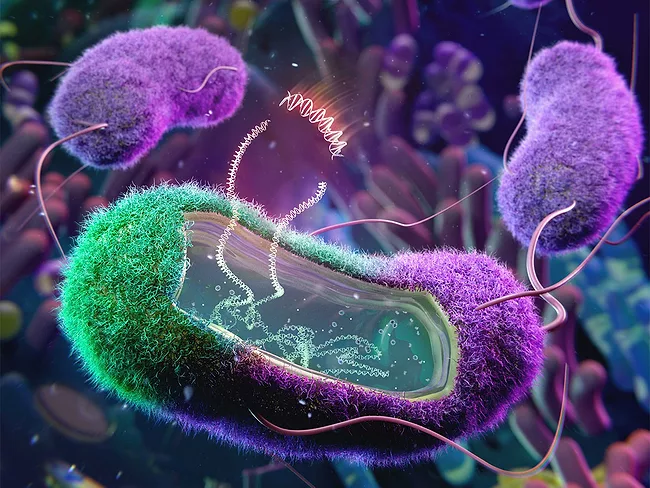
Shiga toxin-producing Escherichia coli (STEC) represents a public health threat that can lead to serious problems, such as bloody diarrhea and hemolytic uremic syndrome in children in up to 10%-15% of cases. Antibiotics that normally combat diarrhea are not recommended for STEC infections and patients are usually treated only for symptomatology. Now, French researchers from Eligo Bioscience SA and their collaborators have published a paper on a CRISPR-based antimicrobial approach, EB-003.
Researchers from Pilatus Biosciences SA recently presented preclinical efficacy data for PLT-012, a humanized IgG4 antibody targeting CD36, in metabolic dysfunction-associated steatohepatitis (MASH) models.
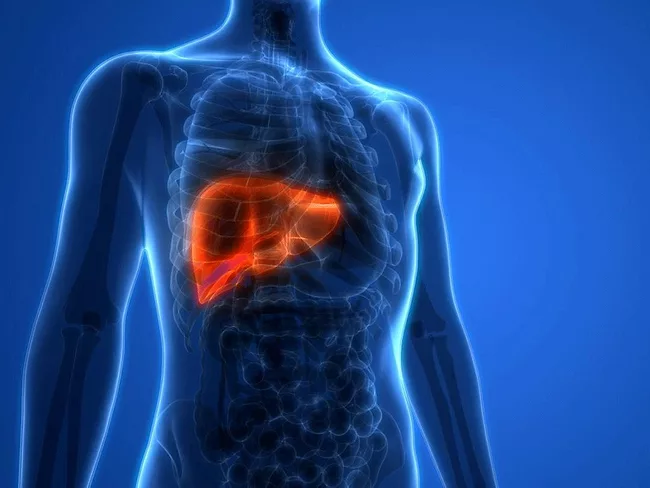
At the recently concluded European Association for the Study of the Liver meeting, presentations underscored how increasingly granular insights into liver pathobiology are driving the rapid identification of new druggable targets across diverse indications.
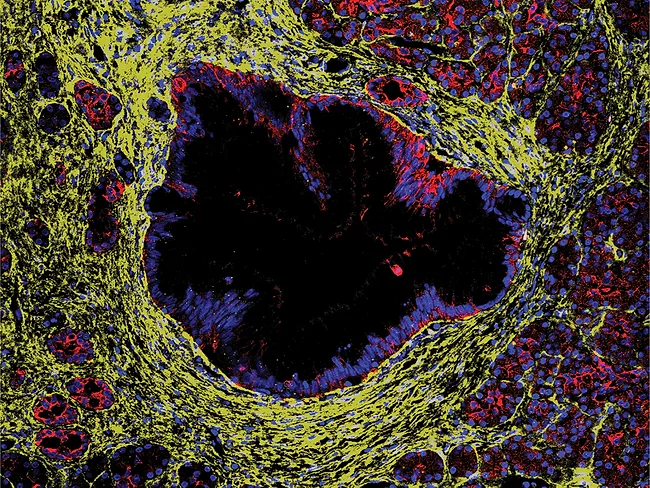
The human pancreas often contains lesions that are common in the population and that, although they can become malignant, usually do not. To understand when this occurs and how these pancreatic cancer precursor lesions, known as pancreatic intraepithelial neoplasias (PanIN), evolve, scientists at the University of Michigan analyzed their gene expression patterns and their cellular microenvironment.
With a historic WHO resolution adopted this week giving countries, for the first time, a mandate to address liver disease affecting 1.5 billion people worldwide, this momentum is strongly reflected at the ongoing European Association for the Study of the Liver 2026 congress in Barcelona. The mandate positions liver disease alongside cancer, cardiovascular disease and diabetes as a core global health priority.
Epirium Bio Inc. has developed a series of small-molecule 15-PGDH inhibitors, the phase II-ready MF-300 and preclinical candidate MF-1305, as potential therapeutics for inflammatory bowel disease (IBD).

 RSS
RSS