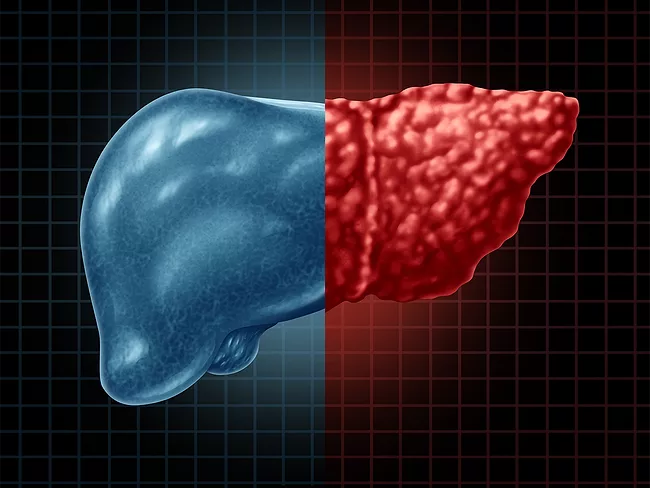
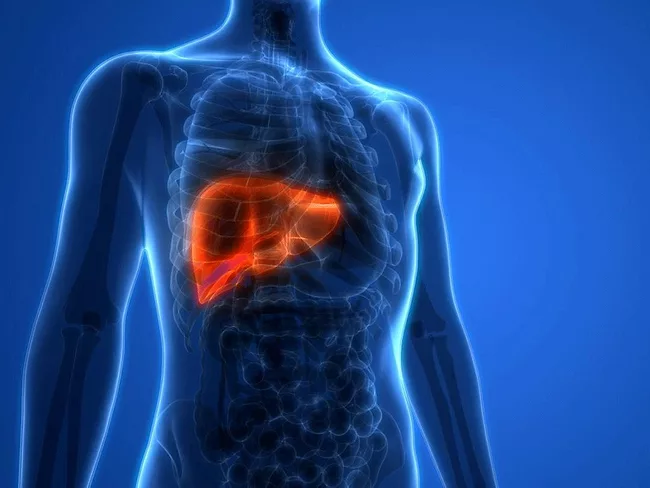
Tangram Therapeutics plc has submitted a clinical trial application (CTA) to the U.K.’s Medicines and Healthcare products Regulatory Agency (MHRA) to initiate a phase I/II trial of TGM-312 for metabolic dysfunction-associated steatohepatitis (MASH).
Opko Health Inc. has recently presented data for their GLP-1/glucagon receptor dual agonist OPK-88006, which is in preclinical development for the treatment of metabolic disease, including metabolic dysfunction-associated steatohepatitis (MASH) and obesity.
The U.K. Medicines and Healthcare products Regulatory Agency is calling for unified standards to harmonize microbiome research, after revealing major inconsistencies in the results when labs around the world analyzed identical reference samples of gut bacteria.
South Korean researchers led by Lee In-suk of Yonsei University have reported the most complete oral microbiome catalog to date, with more than 72,000 genomes. Detailed in Cell Host & Microbe on Nov. 12, 2025, the database is expected to serve as a universal platform for academia and enable “precision microbiome medicine” for the industry, Lee told BioWorld.
Samjin Pharmaceutical Co. Ltd. has disclosed inhibitors of 17-β-hydroxysteroid dehydrogenase 13 (HSD17B13; 17-β-HSD 13) and/or estradiol 17-β-dehydrogenase 1 (HSD17B1; 17β-HSD1) and/or HSD17B2 (17β-HSD2). As such, they are believed to be potentially useful for the treatment of nonalcoholic or metabolic dysfunction-associated steatohepatitis (NASH/MASH).
Imhotex Ltd. has disclosed desmuramylpeptide (DMP) analogues of muramyl dipeptide (MDP) acting as nucleotide-binding oligomerization domain-containing protein 2 (NOD2) activators reported to be useful for the treatment of Crohn’s disease.
Numab Therapeutics AG and Kaken Pharmaceutical Co. Ltd. have entered into a strategic licensing and co-development agreement for NM-81, a multi-specific antibody for the treatment of inflammatory bowel disease (IBD).
Korro Bio Inc. has nominated KRRO-121 as its next development candidate, for the treatment of patients with hyperammonemia, including patients with urea cycle disorders and hepatic encephalopathy.
South Korean researchers led by Lee In-suk of Yonsei University have reported the most complete oral microbiome catalog to date, with more than 72,000 genomes. Detailed in Cell Host & Microbe on Nov. 12, 2025, the database is expected to serve as a universal platform for academia and enable “precision microbiome medicine” for the industry, Lee told BioWorld.
Genfit SA has established a research collaboration with Everzom SAS to expand its acute-on-chronic liver failure (ACLF) research via exosome-based regenerative technology. The partners plan to conduct exploratory studies to assess efficacy of Everzom’s investigational drug candidate Eviv in ACLF.
 RSS
RSS