F. Hoffmann-La Roche Ltd. has discovered benzothiazolyl bicyclo[1.1.1]pentane derivatives acting as hepatitis B virus (HBV) HBeAg and HBsAg secretion inhibitors, reported to be useful for the treatment of HBV infections.
Pathogen-associated molecular patterns (PAMPs) are by themselves not enough to set off a full innate immune response to viral infection. Instead, structural changes to the actin cytoskeleton primed the activation of RIG-I-like receptors (RLRs), a family of intracellular RNA sensors that detect many types of viral RNA. When primed RLRs then encountered viral RNA, they set off an innate immune response that led to the production of interferons.
McMaster University has identified antibody-recruiting molecules (ARMs) consisting of human coronavirus (SARS-CoV-2) proteins targeting domain covalently bound to an antibody-binding terminus (recruiting anti-DNP antibodies) through a linker.
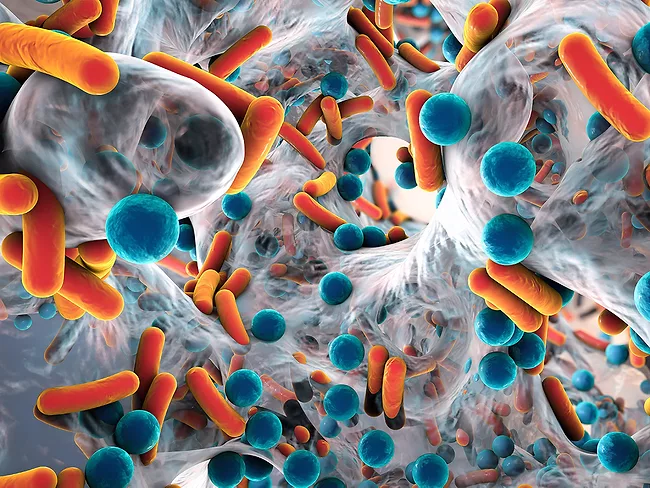
Scientists from the University of Queensland have created a new antibiotic that can neutralize various gram-positive bacteria in mice, including major threats such as methicillin-resistant Staphylococcus aureus (MRSA). In a recent study, published in the Sept. 14, 2022, issue of Science Translational Medicine, the new compound outperformed the approved antibiotic vancomycin, and destroyed tough-to-eradicate bacterial biofilms while prompting a low rate of resistance.
Immunoprecise Antibodies Ltd.'s subsidiary, Talem Therapeutics LLC, has shared promising results of a new study conducted by the National Institute of Allergy and Infectious Diseases (NIAID) showing continued resilience of Polytope TATX-03 in broadly neutralizing SARS-CoV-2 variants, including two omicron sublineages that had not been previously tested.
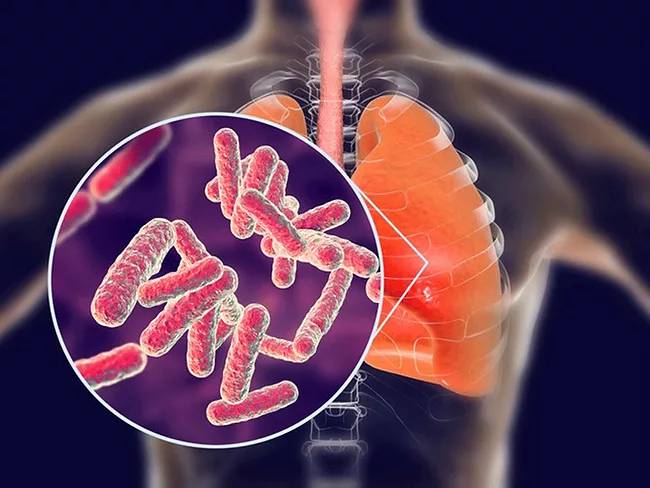
GSK plc scientists seeking compounds with the potential to treat resistant tuberculosis infection identified a series of tetrazole agents using phenotypic screening against Mycobacterium tuberculosis.
Invivyd Inc. (formerly Adagio Therapeutics Inc.) has generated multiple next-generation candidate antibodies for the prevention and treatment of COVID-19, including two molecules designated for near-term clinical development in combination as NVD-200.
Researchers from Boston Children’s Hospital and Harvard Medical School reported the discovery and preclinical evaluation of SP1-77, a novel humanized monoclonal IgG-κ antibody targeting the receptor-binding-domain (RBD) of spike (S) glycoprotein of all SARS-CoV-2 variants.

 RSS
RSS