Anivive Lifesciences Inc., a One Health technology company, reported the NIH’S National Institute of Allergy and Infectious Diseases (NIAID) has awarded grant funding worth up to $33 million to the company to support the development of a vaccine against the fungus Coccidioides, which causes Valley Fever.
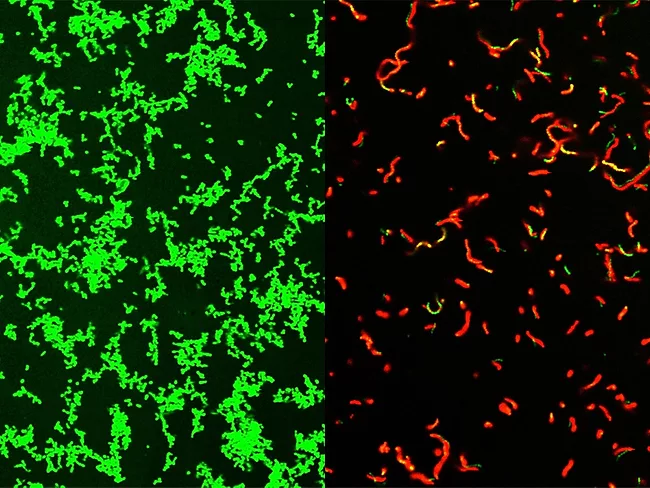
Investigators at Washington University in St. Louis and Umea University have reported that the small molecule PS-757 was effective in culture and animal models against Streptococcus pyogenes, a gram-positive pathogen responsible for more than 500,000 deaths per year globally.
Immunodesigners Co. Ltd. has discovered optical isomers of 2'-fluoro-6'-methylene carbocyclic adenosine monophosphate prodrug reported to be useful for the treatment of chronic hepatitis B.
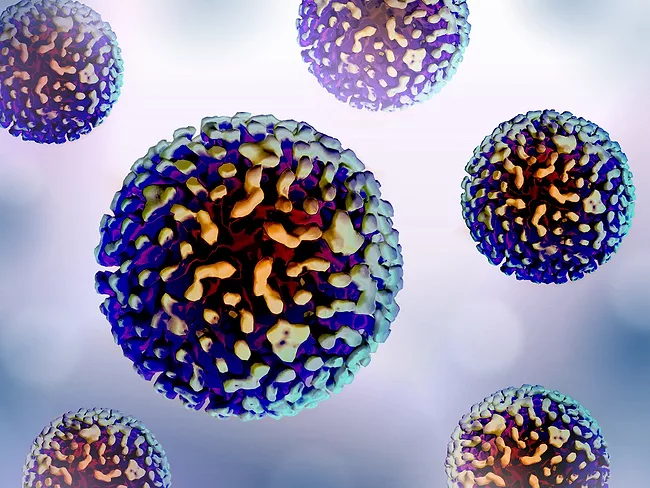
Gigagen Inc., a subsidiary of Grifols SA, has received clearance from the FDA of its IND application to conduct a phase I trial of GIGA-2339 for the treatment of hepatitis B virus (HBV) infections.
Last week, the 2024 meeting of the International AIDS Society (IAS) was wrapping up as the 2024 Olympic Games were about to begin. That timing was probably what prompted the use of multiple sports analogies at Thursday’s plenary session on HIV prevention strategies. Given the decades-long attempts at developing an HIV vaccine, Peter Piot, past IAS president and director emeritus and professor at the London School of Hygiene and Tropical Medicine, said in his introduction: “This is clearly a marathon. But marathons also finish.”
Researchers from the Chinese Center for Disease Control and Prevention detailed the discovery of novel aromatic heterocycle substituted aminamidine derivatives (AADs) for the treatment of Necator americanus infection (hookworms).
Half of the individuals with genital herpes simplex virus (HSV) infection experience several recurrence episodes per year, especially if the causative agent is HSV type 2 (HSV-2). Standard-of-care viral DNA polymerase inhibitors are not fully effective in preventing recurrences and managing symptoms.
Integrase strand transfer inhibitors (INSTI) under a once-daily oral schedule are the standard-of-care treatment for HIV. Longer-acting oral and injectable formulations to facilitate adherence to treatment regimens are needed.
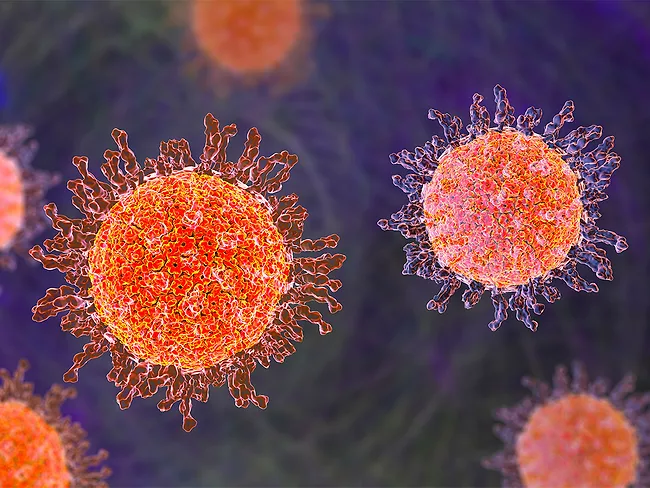
Researchers from CONICET and affiliated organizations presented the discovery of novel llama-derived single-chain antibody fragments (VHHs) specific for type A influenza virus.
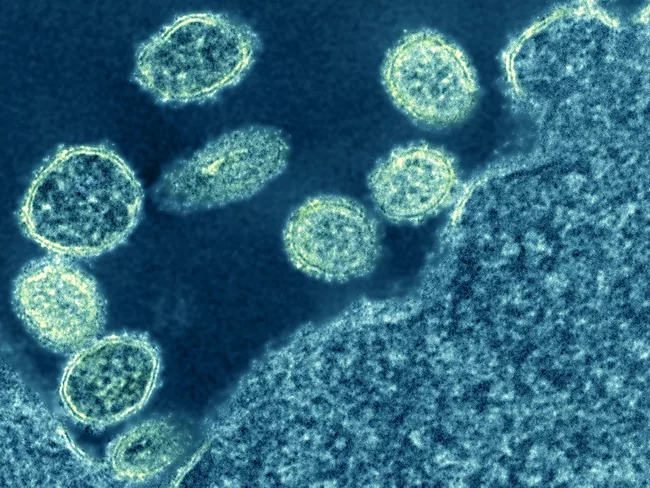
Enanta Pharmaceuticals Inc. has patented compounds acting as nonstructural protein 3 (nsp3, PL-pro; SARS-CoV-2) inhibitors reported to be useful for the treatment of asthma, SARS-CoV-2 infection (COVID-19), rhinovirus, norovirus and lung infections.
 RSS
RSS