Nanjing Zenshine Pharmaceuticals Co. Ltd. has synthesized phosphoric acid derivatives reported to be useful for the treatment of human papillomavirus (HPV) infection.
Effective vaccines against Staphylococcus aureus remain out of reach: 10 candidates that showed promise in preclinical animal models have failed in clinical trials. Researchers at Third Military Medical University and collaborators reasoned that one of the reasons might be that 70%-80% of the population has developed antibodies to the pathogen.
Immunoprecise Antibodies Ltd. is advancing its universal dengue vaccine program. Following the discovery and validation of a uniquely conserved dengue epitope using its Lensai platform, the company is now advancing to preclinical manufacturing for in vivo testing and virus neutralization analysis.
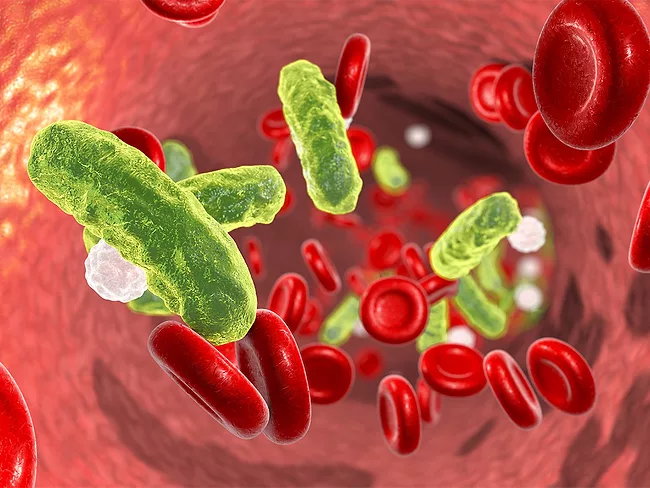
Combating Antibiotic-Resistant Bacteria Biopharmaceutical Accelerator (CARB-X) has awarded $1.1 million to Phiogen Inc. to evaluate PHI-BI-01, the company’s dual-action therapeutic designed to treat and prevent extraintestinal pathogenic Escherichia coli (ExPEC) bloodstream infections.
French vaccines specialist Osivax SAS has been awarded $19.5 million by the U.S. Biomedical Advanced Research and Development Authority (BARDA) to fund work on its universal influenza A vaccine.
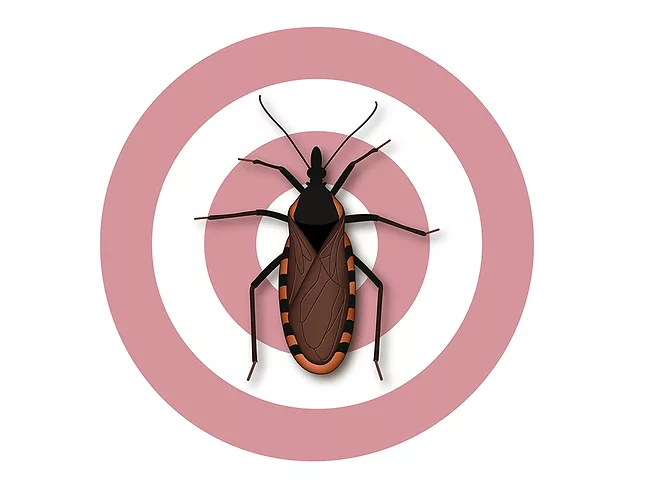
Novartis AG has synthesized cyanotrizole compounds reported to be useful for the treatment of leishmaniasis, American trypanosomiasis (Chagas disease) and African trypanosomiasis (sleeping sickness).
Worrisome new signals caused the U.S. FDA – which earlier this month OK’d revised labeling for Valneva SE’s chikungunya virus vaccine Ixchiq – to suspend the product’s license altogether. Regulators pointed to four added reports of serious adverse events consistent with chikungunya-like illness, and told Valneva, of Saint Herblain, France, that the company must stop U.S. shipping and sales of the product. Shares (NASDAQ:VALN) closed Aug. 25 at $9.43, down $2.21, or 19%.
At last week’s American Chemical Society meeting, Novartis AG presented the discovery of IID-432, a highly efficacious and safe inhibitor of Trypanosoma cruzi topoisomerase 2 (Top2), offering a short-duration curative treatment for Chagas disease.
Deficiencies in interferon-stimulated gene 15 (ISG15), a protein that normally regulates the immune response, causes mild but persistent inflammation. However, its absence also provides an unexpected advantage by increasing resistance to viral infections. Inspired by this condition and using mRNA technology, scientists at Columbia University and the Icahn School of Medicine at Mount Sinai have developed a broad-spectrum antiviral platform.
Researchers at the Massachusetts Institute of Technology have developed a generative AI model that was able to generate novel antibiotic structures from either chemical fragments or de novo, starting from ammonia, methane, water or no starting point at all. In a study that was published online in Cell, the team tested two dozen of more than 10 million structures that were proposed as potential antibiotics by the model.

 RSS
RSS