Taiwan’s biotechnology sector was built around domestic health needs, including vaccines and drug manufacturing, but it is increasingly looking outward – to international partnerships, licensing, clinical development and a bigger role in the global biomedical ecosystem.
Decoy Therapeutics Inc. has announced in vitro activity by one of its Designable Multi-Antiviral (D-MAV) candidates against wild-type Zaire Ebola virus in testing conducted at the Texas Biomedical Research Institute.
Taiwan’s biotechnology sector was built around domestic health needs, including vaccines and drug manufacturing, but it is increasingly looking outward – to international partnerships, licensing, clinical development and a bigger role in the global biomedical ecosystem.
Monkeypox virus (MPXV), which causes mpox disease in humans, comprises two clades: the Central African clade I (with a case fatality rate of about 11%) and the West African clade II (with a case fatality rate of about 4%). The differences in virulence among MPXV clades in humans warrant further investigation; however, a critical gap is the lack of small-animal models for comparing IIa vs. IIb clades.
The nomination of Erica Schwartz as the next director of the U.S. CDC moved incrementally forward, gaining the support of a key Republican senator. Meanwhile, a delay in the scheduled committee vote July 23 to send her nomination to the Senate floor suggested she will need all the support she can get.
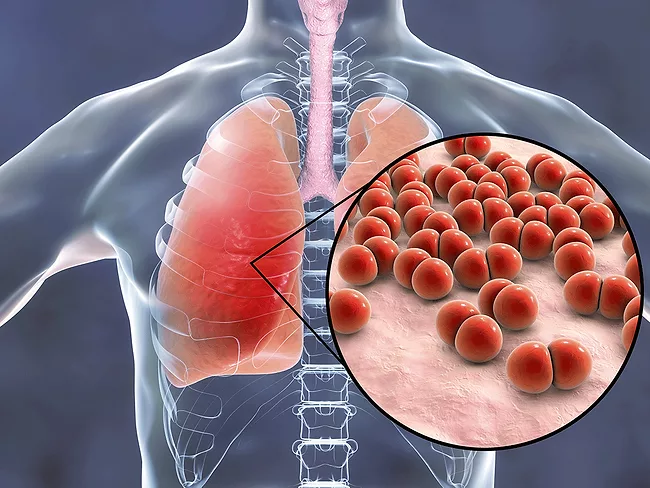
Abera Bioscience AB has announced, together with clinical partner Radboud University Medical Center, the submission of a clinical trial application in the Netherlands to initiate a phase I trial of its serotype-independent pneumococcal vaccine candidate AB-01.12.
Outer membrane vesicles (OMVs), naturally released by gram-negative bacteria, are promising platforms for mucosal vaccines due to their immunostimulatory properties and ability to display antigens. Abera Bioscience AB previously developed an OMV platform using genetically engineered bacteria with covalent antigen decoration via Spycatcher/Tag technology.
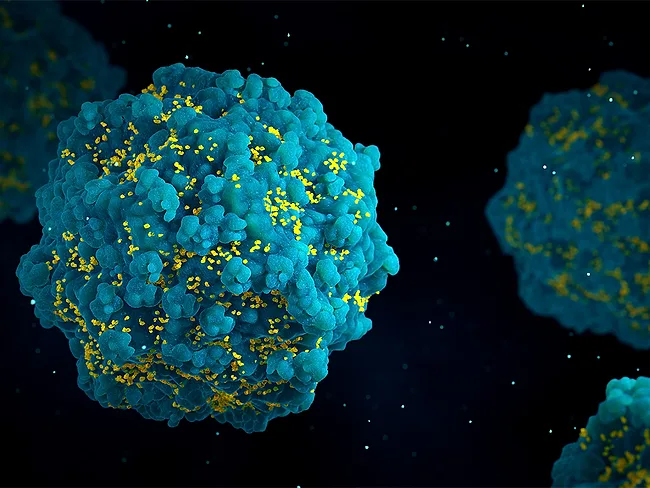
The HIV vaccine field is increasingly focusing on inducing broadly neutralizing antibodies (bNAbs) that can recognize the virus’s genetic diversity. Recent experimental approaches include germline-targeting vaccines, sequential immunization strategies, mRNA-based immunogens, and nanoparticle platforms displaying engineered HIV envelope (Env) trimers. Several studies published in 2025 and 2026 how these designs guide antibody maturation in humans and generate broad neutralizing responses in nonhuman primates, although no HIV vaccine has yet demonstrated protective efficacy in large clinical trials.
Researchers from the Medical College of Wisconsin and Johns Hopkins University School of Medicine completed the largest reported high-throughput screen of about 400,000 compounds searching for novel human cytomegalovirus (HCMV) inhibitors, and identified five structurally unique hits showing activity at sub-low micromolar concentrations.
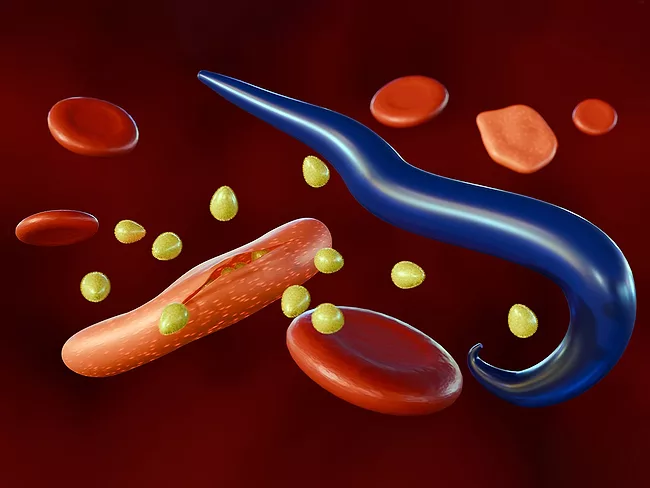
Indole-based compounds have been explored as antimalarial agents because they can disrupt the Plasmodium cell cycle. In a recent study, researchers from the University of São Paulo and the Federal University of São Carlos reported the evaluation of scaffolds selected from three classes of indole hybrids against Plasmodium falciparum.
 RSS
RSS