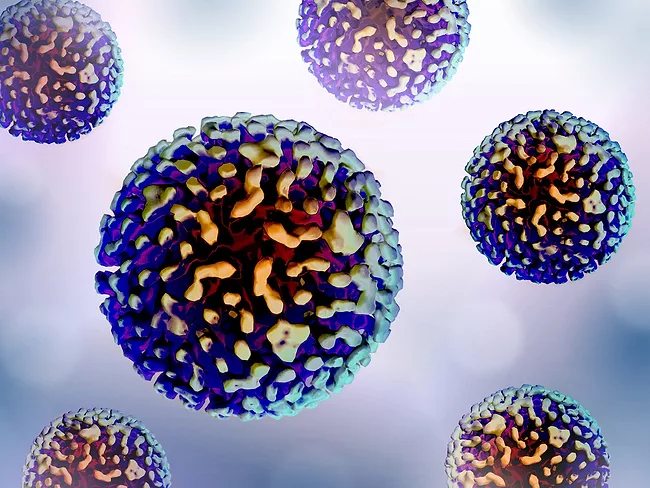
The Coalition for Epidemic Preparedness Innovations (CEPI) has announced funding and support to urgently accelerate development of three investigational vaccines targeting the Bundibugyo Ebola virus.
Several presentations at EASL highlight a new generation of therapies coming into view, with the work from Tune Therapeutics Inc. standing out as one of the most relevant for the novelty it represents and the step forward it signals. The company is investigating the use of TUNE-401 as a potential treatment for hepatitis B.
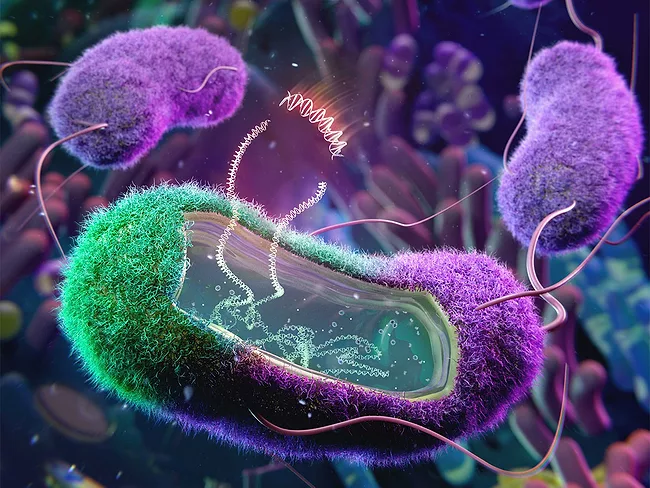
Shiga toxin-producing Escherichia coli (STEC) represents a public health threat that can lead to serious problems, such as bloody diarrhea and hemolytic uremic syndrome in children in up to 10%-15% of cases. Antibiotics that normally combat diarrhea are not recommended for STEC infections and patients are usually treated only for symptomatology. Now, French researchers from Eligo Bioscience SA and their collaborators have published a paper on a CRISPR-based antimicrobial approach, EB-003.
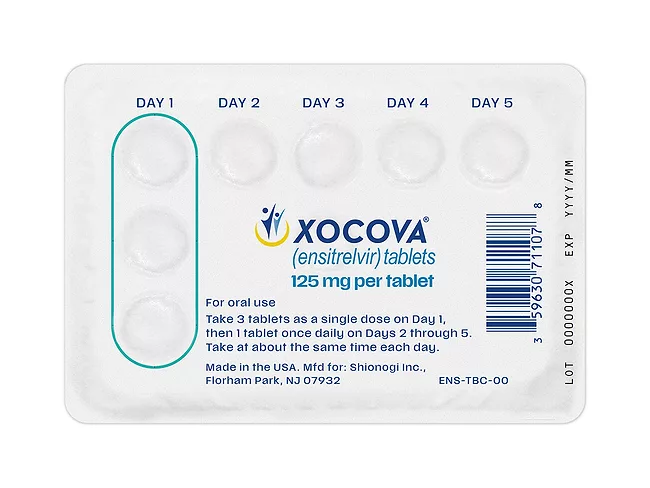
The U.S. FDA approved Shionogi & Co. Ltd.’s Xocova (ensitrelvir) as the first oral post-exposure prophylactic option in the U.S. to prevent COVID-19, with the decision coming ahead of a PDUFA target date of June 16.
“I need to be honest with you about something important. Most previous Ebola outbreaks in the Democratic Republic of Congo (DRC) were caused by a virus called Ebola Zaire, for which we have vaccines and treatments. This outbreak is caused by a different virus called Ebola Bundibugyo. There are currently no approved vaccines or treatments for it.” This was the stark message from Tedros Adhanom Ghebreyesus, director general of the World Health Organization (WHO) in an open letter to the people of the DRC, as he traveled to the country on Friday, May 29.
Currently available treatments for chronic hepatitis D virus (HDV) infection rarely result in a cure after a defined treatment period. Researchers from Aligos Therapeutics Inc. hypothesized that antisense oligonucleotides (ASOs) targeting HDV RNAs may inhibit intracellular HDV RNA amplification.
Anti-PD-1/PD-L1 therapy has shown success in the treatment of liver cancer and may reverse immune tolerance in chronic hepatitis B (CHB). Aligos Therapeutics Inc. has presented preclinical data on the characterization of ALG-093940, a small molecule PD-1/PD-L1 inhibitor that induces PD-L1 dimerization and degradation.
Landing on the right COVID-19 vaccine formulation for the coming season is becoming more complicated against a backdrop of low vaccination rates, young children with little to no immunization, declining surveillance data and a new SARS-COV-2 lineage slowly emerging.
GSK plc has announced a breakthrough in the treatment of chronic hepatitis B, reporting a functional cure rate of 19% across two phase III trials of its antisense oligonucleotide bepirovirsen.
 RSS
RSS