Less than two weeks after the outbreak was officially declared, animal studies of a newly designed vaccine against the Bundibugyo Ebola virus are now underway in the U.S. and U.K., and the Serum Institute of India is standing ready to manufacture the vaccine for clinical trials. If the animal tests are positive, the vaccine will be ready for clinical trials in two to three months.
Eli Lilly and Co. has offered to buy three vaccine companies for up to $3.8 billion combined, including up to $1.55 billion for Vaccine Company Inc., whose in vivo nanoparticle (IVN) technologies are designed to enable antigens that elicit durable immune responses, much like virus-like particle (VLP) vaccines, but avoid the VLP manufacturing burden.
Acknowledging that the spread of the Andes virus and the resulting disease, hantavirus pulmonary syndrome, “constitutes a credible risk of a future public health emergency,” U.S. Health and Human Services Secretary Robert Kennedy is issuing a declaration to provide liability protection for manufacturers, distributors and providers using favipiravir as a medical countermeasure (MCM) against the virus.
What would normally be a routine meeting of the FDA’s Vaccines and Related Biological Products Advisory Committee May 28 may be more carefully watched given the overall turmoil surrounding vaccines in the U.S. The only task before the adcom is to recommend the COVID-19 vaccine formula for the upcoming season. That conversation will include looking at the effectiveness of the four FDA-approved vaccines currently in use in the U.S.
Less than two weeks after the outbreak was officially declared, animal studies of a newly designed vaccine against the Bundibugyo Ebola virus are now underway in the U.S. and U.K., and the Serum Institute of India is standing ready to manufacture the vaccine for clinical trials. If the animal tests are positive, the vaccine will be ready for clinical trials in two to three months.
As the most active biopharma acquirer of 2026, Eli Lilly and Co. offered to buy three vaccine companies for up to $3.8 billion combined, while it simultaneously released positive early clinical results of a gene editing medicine brought into the fold last year through its buyout of Verve Therapeutics Inc.
Antimicrobial-focused Tennor Therapeutics Ltd. will debut in Hong Kong May 22, having priced a HK$626.84 million (US$80 million) IPO. The Suzhou, China-based biotech is waiting on China’s National Medical Products Administration approval of lead asset rifasutenizol (TNP-2198), which has potential to become the first targeted combination regimen to treat H. pylori infection.
Cocrystal Pharma Inc. has reported the discovery of direct-acting antivirals that demonstrate pan-viral activity against multiple viruses, including hantavirus, bunyavirus and influenza. These compounds target a highly conserved region of the viral replication enzyme – the L-protein of Andes virus, which is essential for viral replication and transcription.
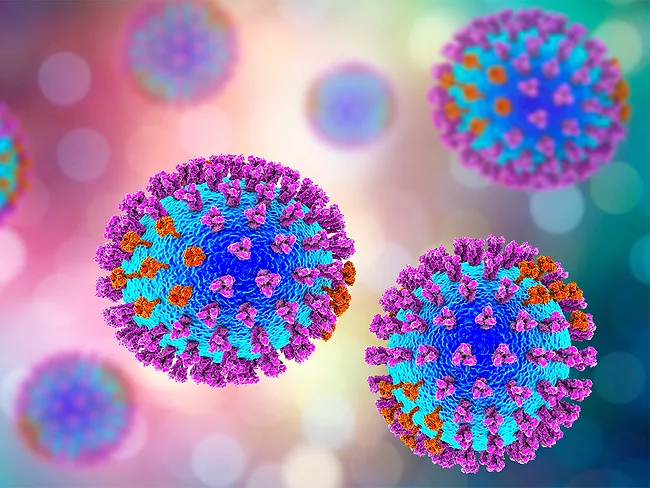
Although influenza virus infection can be particularly life-threatening among young infants, approved vaccines are lacking for infants under 6 months. Aiming to overcome the required annual updates to the influenza vaccine, recent efforts have focused on generating vaccines that promote broadly reactive antibodies (Abs) targeting conserved regions of viral proteins, such as the stem domain of hemagglutinin (HA).
Infex Therapeutics Ltd. has published positive phase IIa data for its lead program, RESP-X, in the treatment of exacerbations of chronic respiratory infections caused by Pseudomonas aeruginosa and is now laying the ground for phase IIb development, after raising £4.3 million (US$5.8 million) in new capital.
 RSS
RSS