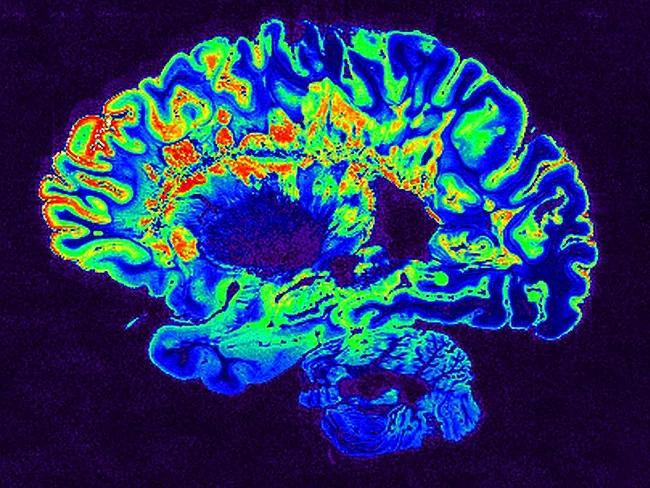
In brain research, be it basic or clinical, neurons have long hogged the limelight. But at the 2023 European Meeting on Glial Cells in Health and Disease, neurons take a back seat to glia – cell types that have often been described as support cells and treated as an afterthought, but that play critical roles in all aspects of brain function, including information processing.
Researchers from Adiso Therapeutics Inc. have reported the discovery of a novel small-molecule dual NLRP1 and NLRP3 inflammasome inhibitor, ADS-032, being developed for the treatment of inflammatory diseases. Screening of an in-house bioactive compound library led to the discovery of ADS-032, a sulfonylurea compound.
Researchers from Anhui Medical University presented the discovery and preclinical evaluation of new vascular endothelial growth factor receptor 2 (VEGFR-2) inhibitors as potential therapeutic candidates for rheumatoid arthritis.
Natural compounds derived from quinoline and isoquinoline have gained significant attention due to their remarkable biological properties, encompassing antibacterial, anticancer and anti-inflammatory activities. Meanwhile, pyrazoles, a prominent class of heterocyclic compounds, exhibit a wide range of biological and pharmaceutical properties.
CD122 signaling plays a key role in the function of CD4, CD8 T cells and natural killer (NK) cells, as well as in the development and survival of tissue-resident memory T cells (TRMs).
Multiple sclerosis (MS) is and remains “a problem in the immune system” Stephen Sawcer told BioWorld. As in other autoimmune diseases, a faulty immune system attacks otherwise healthy tissues that it should be leaving alone. In the case of MS, the tissue in question is oligodendrocytes. And a study published online in Nature on June 28, 2023, suggests that while MS’ beginnings are autoimmune, the path it takes in an individual patient is determined in part by how well the brain can cope with the autoimmune attack.
The NLRP3 inflammasome is a multiprotein complex that plays a pivotal role in regulating the innate immune system and inflammatory signaling. Upon activation by pathogen-associated molecular patterns (PAMPs), NLRP3 oligomerizes and activates caspase-1 which initiates the processing and release of pro-inflammatory cytokines IL-1β and IL-1 that are overproduced in many inflammatory disease conditions.
At the recent EAACI meeting, researchers presented preclinical data for the inflammasome inhibitor OLT-1177 (dapansutrile), which is being evaluated by Olatec Therapeutics LLC for the treatment of inflammatory diseases.
 RSS
RSS