Hangzhou Innogate Pharma Co. Ltd. has reported cyclic GMP-AMP synthase (MB21D1; cGAS) inhibitors. They are described as useful for the treatment of Aicardi-Goutieres syndrome, psoriasis, rheumatoid arthritis, systemic lupus erythematosus, myasthenia gravis, multiple sclerosis, myocardial infarction and Parkinson’s disease, among others.
Chugai Pharmaceutical has reported a new humanized antibody (Ab, SOF-10) that targets latent TGF-β1 and selectively blocks protease- and integrin αVβ8-mediated latent TGF-β1 activation.
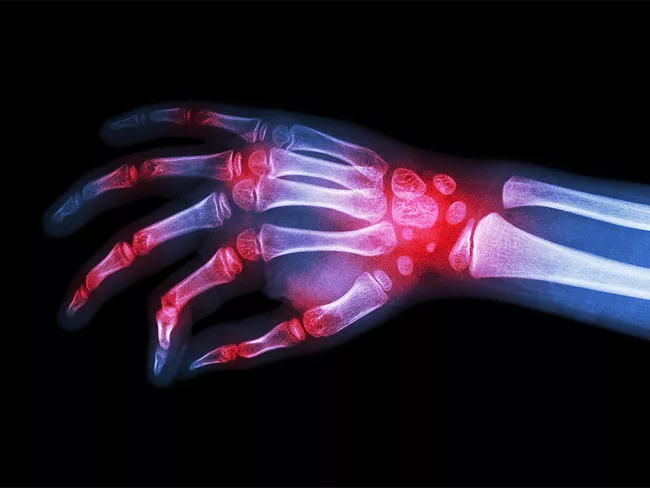
In the inflamed joints of rheumatoid arthritis, CD4+ T lymphocytes accumulate lipid droplets that make them vulnerable and promote their death, thereby amplifying joint inflammation. A study led by scientists at Mayo Clinic and Stanford University suggests that blocking the formation of these lipid droplets or their contents could offer a therapeutic strategy for this condition.
Scientists from Adlai Nortye Biopharma Co. Ltd. and Adlai Nortye Pte Ltd. have prepared and tested proteolysis targeting chimera (PROTAC) compounds comprising an E3 ubiquitin ligase-binding moiety coupled to a signal transducer and activator of transcription 6 (STAT6)- or STAT3-targeting moiety.
Researchers from Paratus Sciences Corp. presented the preclinical profile of PS-1001, a novel pan-inflammasome inhibitor designed to prevent IL-1β and IL-18 release.
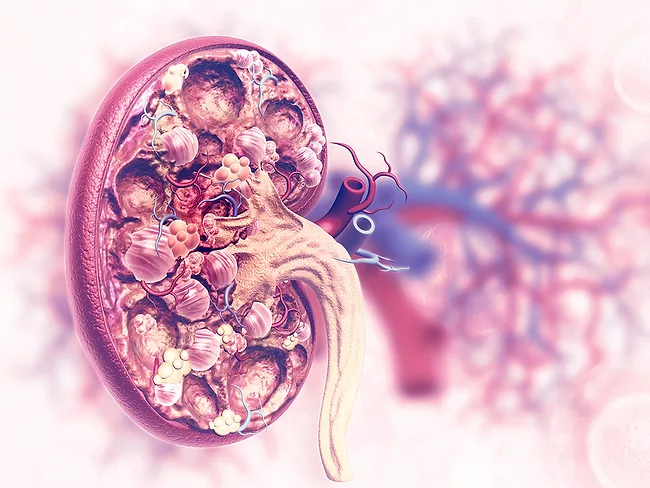
Renal fibrosis originates from diverse etiologies, including diabetes, hypertension, glomerulonephritis and prolonged obstruction, which lead to persistent inflammation and altered repair processes that drive fibrogenesis. M2 macrophages, especially those expressing the macrophage mannose receptor (CD206), play a crucial role in driving fibrogenesis.
Shenzhen Salubris Pharmaceuticals Co. Ltd. has synthesized interleukin-17A (IL-17A) inhibitors reported to be useful for the treatment of arthritis and psoriasis.
The malfunction of lymphatic drainage that occurs in lymphedema leads to excessive cholesterol accumulation in the affected skin and lymphatic vessels, causing inflammation and fibrosis. However, surgery and the chemical reduction of accumulated cholesterol with cyclodextrin reduce inflammation and regenerate lymphatic vessels. Cholesterol is a potential therapeutic target for treating lymphedema, according to this study published on Feb. 11, 2026, in Nature by Veronique Angeli and her colleagues.
Despite the availability of advanced therapeutic options, about 40%-50% of patients with hidradenitis suppurativa do not achieve significant improvement in disease activity, thus there is a need for novel medications.
Jeil Pharmaceutical Co. Ltd. has disclosed dihydrothiopyranopyrimidine compounds acting as phosphodiesterase PDE4 inhibitors reported to be useful for the treatment of inflammatory joint disease, neurological disorders and more.

 RSS
RSS