Pulmonary fibrosis is a chronic, progressive respiratory disease in which the normal barrier between alveoli and capillaries is compromised, leading to persistent injury and inflammation of the lung epithelium.
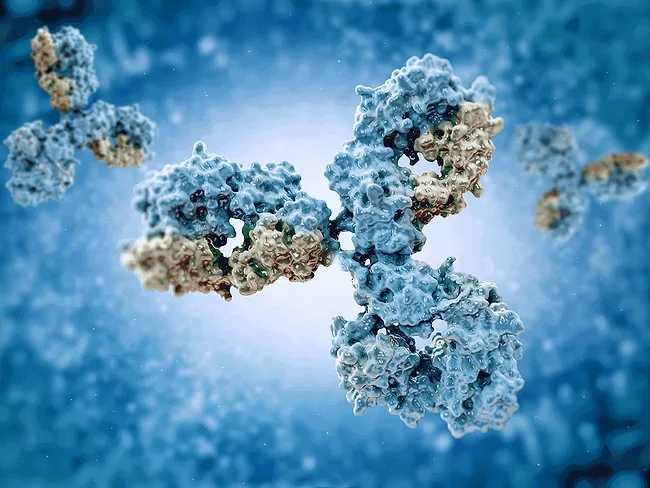
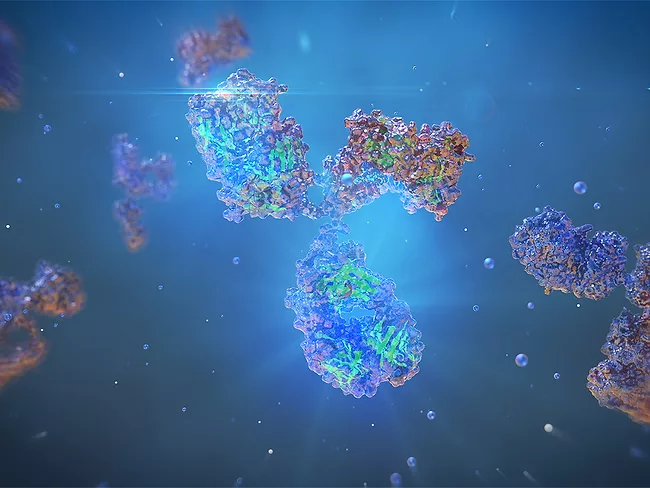
Shanghai Henlius Biotech Inc. has entered into an exclusive global license agreement with U-mab Biopharma (Lianyungang) Co. Ltd., securing rights to a monoclonal antibody (mAb) targeting interleukin-1 receptor accessory protein (IL-1RAP) for inflammatory and autoimmune diseases.
After raising AU$29 million (US$19.44 million) in a series A round, Rage Biotech Pty Ltd. is beginning phase I trials of its lead candidate, RB-042, an inhaled splice-switching oligonucleotide for treating chronic obstructive pulmonary disease (COPD) and other inflammatory lung diseases.
Recursion Pharmaceuticals Inc. has prepared and tested new 1-phosphatidylinositol 3-phosphate 5-kinase (PIKfyve) inhibitors reported to be useful for the treatment of interstitial lung disease, liver, kidney and myocardial fibrosis.
Enodia Therapeutics SAS has raised €20.7 million ($25 million) in seed financing to advance its work developing novel small-molecule therapies for targeted protein degradation at the point of synthesis.
Securing a second major partnership with Sanofi SA – this time worth a potential $2.56 billion – Earendil Labs will provide its AI-driven discovery platform to find new therapeutics for autoimmune and inflammatory diseases.
Dana-Farber Cancer Institute Inc. has divulged tumor necrosis factor receptor superfamily member 1A (TNFRSF1A; TNFR1; p55; CD120a) antagonists reported to be useful for the treatment of inflammation and neuroinflammation.
Elasmogen Ltd. has identified antibody-drug conjugates comprising antibodies covalently linked to a cytotoxic drug through a linker reported to be useful for the treatment of cancer, autoimmune and inflammatory disorders.
Nucleome Therapeutics Ltd. has nominated NTP-464 as its first preclinical development candidate and is advancing the program toward IND-enabling studies. The first-in-class monoclonal antibody agonist for inflammation resolution has broad applicability across major chronic inflammatory diseases.
A team at the University of Macau aimed to develop a novel peptide targeting the tumor necrosis factor (TNF)-TNFR2 interaction as a selective regulatory T cell (Treg) stimulator. Through phage display screening, they identified the peptide UMR2-705 that functions as an agonist that enhances TNF-induced Treg expansion.

 RSS
RSS