Work at Boehringer Ingelheim Pharma GmbH & Co. KG has led to the synthesis of pyrazolo[5,1-f][1,2,4]triazin-4-ones acting as NADPH oxidase 4 (NOX4) inhibitors. As such, they are described as potentially useful for the treatment of liver disease, portal hypertension, viral infection, cancer, interstitial lung diseases, retinopathy, inflammation and fibrosis.
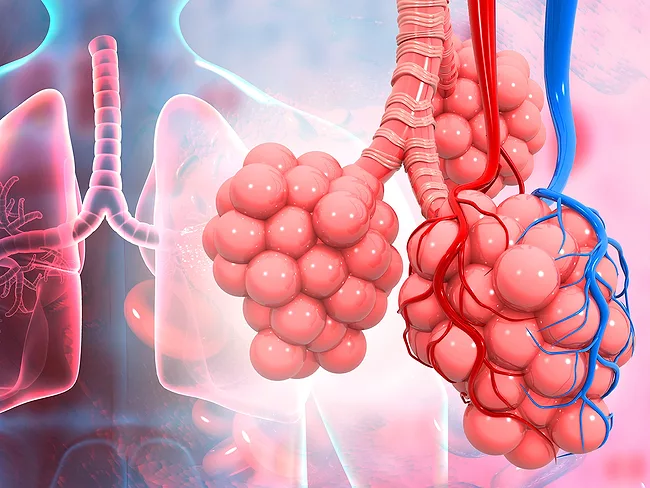
Pulmonary fibrosis (PF) is a fatal lung disease characterized by excessive deposition of extracellular matrix proteins in the lung interstitium due to excessive fibroblast activation, which leads to tissue scarring and potential respiratory failure. Chinese researchers have published results of their investigations into circular RNAs and the pathogenesis of PF.
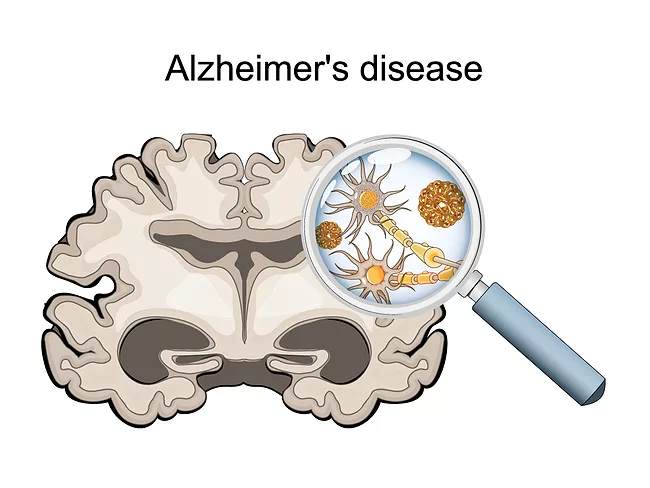
A new way of understanding Alzheimer’s disease, based on biological inflection points that mark decisive moments in the progression of the disorder, could change how new drugs are developed to achieve more effective therapies. This new perspective could rethink strategies that depend not so much on the target itself, but on the precise moment at which it is addressed.
Neurodegenerative disease and cognitive decline cannot be explained by a single process. Beta-amyloid plaques, hyperphosphorylated tau, alpha-synuclein, activated microglia and astrocytes, altered receptors such as TREM2, mitochondrial dysfunction, epigenetic changes and cerebrovascular alterations all seem to contribute to the development of dementia in Alzheimer’s disease (AD). While scientists attempt to address each of these elements, prevention is growing as a primary goal.
Enodia Therapeutics Inc. was spun out of The Institut Pasteur by Argobio Studio based on the work of Caroline Demangel, co-founder of Enodia and head of the immunobiology and therapy unit at The Institut Pasteur. Demangel’s lab discovered the mechanism of action of mycolactone, a natural Sec61 inhibitor that causes Buruli ulcers.
Mestag Therapeutics Ltd. has raised a $40 million round from existing investors as it completes final preparations for its lead program MST-0312 to enter clinical development in mid-2026. MST-0312 is a bispecific antibody aimed at the lymphotoxin-β receptor (LTBR), which is essential for the development of lymphoid tissues.
Synnovation Therapeutics Inc. has discovered heterocyclic TNF-α inhibitors designed for use in the treatment of inflammatory disorders and neurodegeneration.
Foshan Ionova Biotherapeutics Co. Ltd., Guangdong Touchstone Translational Research Institute Co. Ltd. and Shenzhen Ionova Life Science Co. Ltd. have synthesized new interleukin-17A (IL-17A) inhibitors described as potentially useful for the treatment of inflammatory disorders.
Baseimmune Ltd. has announced its strategic expansion into fibrosis, with a new fibrosis-focused pipeline led by a program for idiopathic pulmonary fibrosis (IPF).
Atopic dermatitis (AD) is an inflammatory skin disease accompanied by pruritus, for which IL-13 and IL-31 are clinically validated targets. Earendil Labs Inc. has developed a bispecific antibody targeting both IL-13 and IL-31, HX-16108, with an extended half-life.

 RSS
RSS