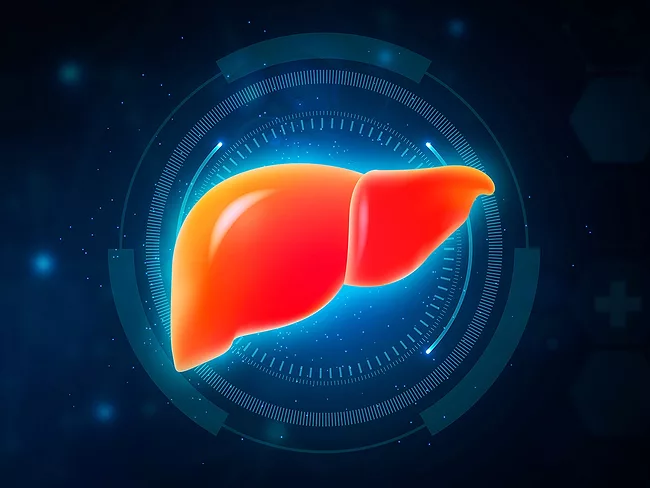
Liver fibrosis still lacks effective therapy; hepatic stellate cells (HSCs) are the primary fibrogenic cell type activated during liver injury. To date, almost half of the drugs used for liver treatment are natural product derivatives.
AAT-076 was tested in the preclinical setting for its analgesic potential in COX-1 and COX-2 assays, as well as in in vivo rat models of air pouch inflammation, adjuvant-induced arthritis and neuropathic pain models. The compound was selected as a candidate analgesic compound due to its effective COX-2 inhibition within the central nervous system.
Tr1x Inc. has announced that the FDA has cleared its IND application for its engineered Tr1 Treg cell therapy TRX-103 for treatment-refractory Crohn’s disease.
Shanghai Meiyue Biotech Development Co. Ltd. has discovered MAPK p38 inhibitors reported to be useful for the treatment of arthritis, psoriasis, systemic lupus erythematosus, diabetes, cancer, atherosclerosis and Alzheimer's disease.
Vicore Pharma AB has identified compounds acting as angiotensin AT2 receptor (AGTR2) agonists reported to be useful for the treatment of fibrosis, heart failure, pulmonary hypertension, respiratory tract infection, myocardial infarction, pre-eclampsia, autoimmune and chronic kidney disease.
Levicept Ltd. is scoping the options for phase III development after reporting positive results from its phase II trial of LEVI-04 in the treatment of pain caused by osteoarthritis of the knee. The full data are yet to be published, but the company said the potentially first-in-class neurotrophin-3 inhibitor demonstrated significant differences from placebo, with a mean reduction in pain score from baseline of more than 50%, for the three doses tested.
Zyversa Therapeutics Inc. announced it has selected obesity and its related metabolic complications as the lead indication for its ASC protein inhibitor IC-100. One consequence of high weight is chronic inflammation, which increases the risk of multiple metabolic and cardiovascular disorders.
Ensho Therapeutics Inc. launched in July after licensing a pipeline of four oral α4β7 inhibitors for inflammatory and gastrointestinal disorders, including inflammatory bowel disease (IBD), from EA Pharma Co. Ltd. “Millions of people worldwide are living with IBD,” Ensho founder, president and executive chair Neena Bitritto-Garg recently told BioWorld, “and while there are a number of approved medications to address the symptoms of IBD, it remains a difficult-to-treat disease with high relapse rates for a considerable proportion of patients.”
 RSS
RSS