Qyuns Therapeutics Co. Ltd.’s monoclonal antibody targeting IL-17A, QX-002N, met both primary and secondary endpoints in a phase III trial in ankylosing spondylitis.
Alterity Therapeutics Ltd. reported positive top-line phase II results for lead candidate ATH-434 for treating multiple system atrophy, a rare neurological disorder similar to Parkinson's disease.
As more Asia biotechs turn to regenerative medicine to address disorders without a cure, Medipost Inc. is continuing global expansion with Cartistem, its allogeneic human umbilical cord blood-derived mesenchymal stem cell product that gained clearance in South Korea in 2012 to treat knee osteoarthritis.
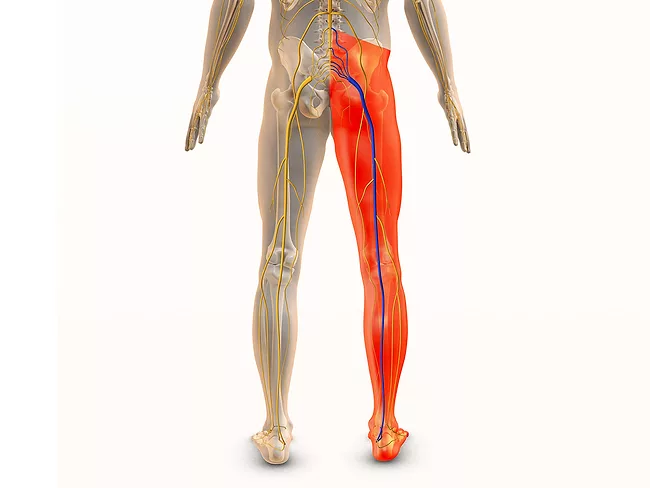
Data from two out of three positive studies faced the U.S. FDA’s Anesthetic and Analgesic Drug Products Advisory Committee as members examined the package submitted by Seikagaku Corp., of Tokyo, for SI-6603 (condoliase), a chemonucleolytic drug for radicular leg pain associated with lumbar disc hernia.
After raising AU$16.75 million (US$10.4 million) in a series A round, Celosia Therapeutics Pty Ltd. is heading toward the clinic with its novel gene therapy that targets TDP-43, a protein directly linked to amyotrophic lateral sclerosis (ALS) pathology.
Candid Therapeutics Inc. and Epimab Biotherapeutics Inc. have entered a $1 billion research collaboration to discover and develop novel T-cell engager candidates for autoimmune indications.
Paradigm Biopharmaceuticals Ltd. raised AU$16 million (US$10.31 million) in a placement that will allow the company to start a global phase III trial with its lead product, Zilosul (injectable pentosan polysulfate/iPPS), to treat osteoarthritis.
Dewpoint Therapeutics Inc. and Mitsubishi Tanabe Pharma Corp. have entered a research collaboration worth up to $480 million to advance Dewpoint’s novel TDP-43 small-molecule condensate modulator for amyotrophic lateral sclerosis. Under terms of the deal, Boston-based Dewpoint will receive an undisclosed up-front payment and is eligible to receive R&D-based milestone payments up to $480 million. Upon reaching those milestones, Osaka, Japan-based MTPC will have an exclusive option to license the program and assume responsibility for global clinical development and commercialization. Dewpoint will also receive tiered royalties on net sales.
An international consortium of thousands of scientists is creating the Human Cell Atlas, a three-dimensional map of all the cells in the body. The goal is to understand all the cells that make up human tissues, organs and systems, which will enable multiple medical applications. This collection of cell maps is openly available for navigation at single-cell resolution, identified through omics analyses that reveal the tridimensional distribution of each cell.
The Ministry of Food and Drug Safety (MFDS) approved South Korea’s first denosumab (Prolia/Xgeva) biosimilars, developed by Celltrion Inc. under the brand names of Stoboclo/Osenvelt (CT-P41) for respective indications, a move the company hopes will help secure first-mover advantage for the drugs, currently under review in the U.S. and Europe.
 RSS
RSS