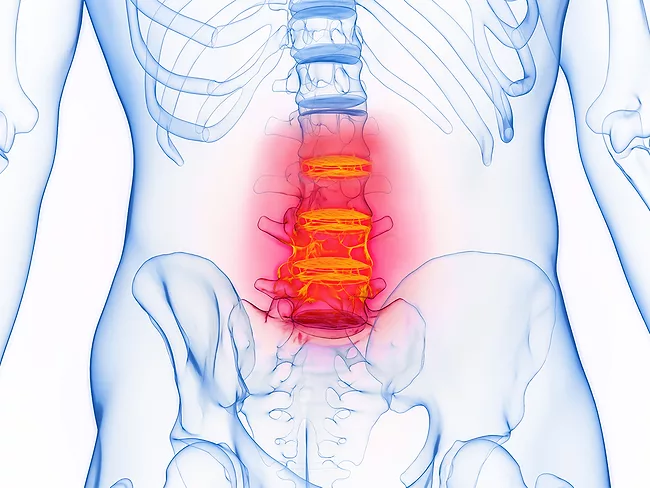
Qyuns Therapeutics Co. Ltd. has moved closer to its first commercial product after China’s National Medical Products Administration (NMPA) accepted its NDA for IL-17 antibody crusekitug (QX-002N) for treating ankylosing spondylitis (AS), a chronic inflammatory disease that affects the spine and sacroiliac joints.
Japan has approved the world’s first therapies derived from induced pluripotent stem cells (iPSCs), marking a major milestone for regenerative medicine and, potentially, a turning point in treating Parkinson’s disease.
Innovacell Inc. launched a ¥14.16 billion (US$91.2 million) stock sale on the Tokyo Stock Exchange Feb. 24, ending a near two-year lull of biotech listings in Japan while signaling a dynamic year ahead for cell-based therapeutics.
Shionogi & Co. Ltd. will acquire global rights to U.S. FDA approved amyotrophic lateral sclerosis therapy edaravone through a $2.5 billion acquisition deal with Tanabe Pharma Corp. Under the terms, Tanabe will form a new entity harboring both oral and intravenous (I.V.) infusion formulations of edaravone that are marketed in the U.S. as Radicava ORS and I.V. Radicava.
ADEL Inc. closed a year-end licensing deal worth up to $1.04 billion with Sanofi SA for ADEL-Y01, a specific tau-targeting Alzheimer’s disease drug candidate in a U.S. phase I study.
Formation Bio Inc. acquired ex-China rights to Lynk Pharmaceuticals Co. Ltd.’s oral TYK2-inhibitor, LNK-01006, for up to $605 million. The phase I-ready central nervous system (CNS) candidate will be developed at Formation’s newly formed subsidiary, Bleecker Bio.
Celltrion Inc. announced Oct. 29 the signing of an $87.75 million joint drug R&D agreement with AI and spatial transcriptome-based biotech Portrai Inc.
Amyotrophic lateral sclerosis (ALS), formerly known as Lou Gehrig’s disease, is a progressive and fatal neurodegenerative disorder with no known cure. While three therapies have gained U.S. FDA approvals to date, including Rilutek (riluzole), Radicava/Radicava ORS (edaravone) and tofersen (BIIB-067, the lack of a disease-modifying drug has spurred the continual search for novel therapies.
Ribomic’s umedaptanib pegol (RBM-007) looks to have some advantages compared to competitors in the achondroplasia space, and the company plans to progress the oligonucleotide-based aptamer that targets anti fibroblast growth factor 2 to phase III trials, Ribomic’s business development head, Kihei Yamashita, told BioWorld.
Alterity Therapeutics Ltd. helped develop a new neuroimaging biomarker called the multiple system atrophy index (MSA-AI), which looks to be a more reliable biomarker for tracking disease progression of MSA.
 RSS
RSS