The Jackson Laboratory has disclosed short transient receptor potential channel 3 (TRPC3) and short transient receptor potential channel 6 (TRPC6) antagonists reported to be useful for the treatment of Alzheimer’s disease.
Childhood-onset neurodegeneration with cerebellar atrophy (CONDCA) is an autosomal recessive disorder that causes progressive motor and cognitive impairment in children. The disease arises as a result of inactivating mutations in cytosolic carboxypeptidase 1 (CCP1), leading to excessive polyglutamylation of tubulin in the brain. Researchers at Shimane University have shown in a mouse model that delivering a truncated form of CCP1 into the brain can substantially mitigate Purkinje cell degeneration and improve motor function.
Seal Rock Therapeutics Inc. has joined The Michael J. Fox Foundation for Parkinson’s Research (MJFF) LRRK2 Investigative Therapeutics Exchange (LITE) program. The program supports the development of new therapies targeting LRRK2 for the treatment of Parkinson’s disease patients and fosters international collaboration across more than 30 academic and clinical centers and more than a dozen companies.
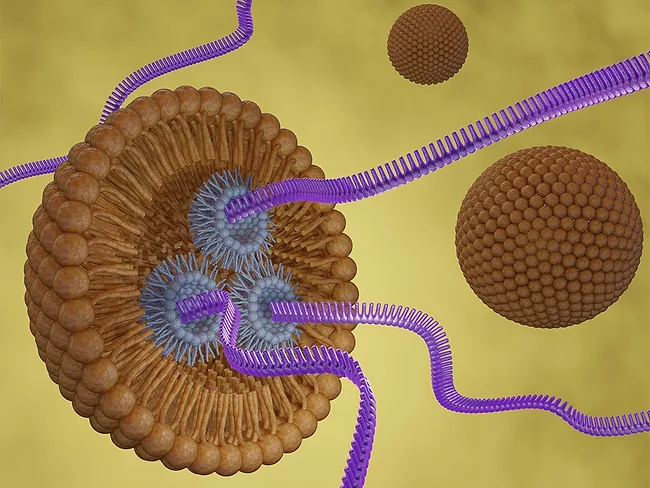
In Parkinson’s disease, α-synuclein accumulates in neurons and may thereby contribute to their degeneration. Reducing expression of α-synuclein may be an effective therapy, but delivering short interfering RNA (siRNA) to the brain noninvasively is notoriously ineffective, in part because siRNA does not pass the blood-brain barrier efficiently.
A little-known tissue composed of a cluster of immune cells could offer novel insights into the development of neurological disorders. Meninges' immune system changes with age and neurodegeneration. Are they protecting the brain or fueling disease? Mapping and analyzing the so-called ectopic lymphoid structures (ELSs) in the meninges at different ages in preclinical models of neurodegenerative diseases such as Alzheimer's may help clarify whether they are good, bad, or ugly, as in the iconic film by Sergio Leone.
F. Hoffmann-La Roche Ltd. and Hoffmann-La Roche Inc. have divulged monoglyceride lipase (MGLL; MAGL) inhibitors reported to be useful for the treatment of cancer, amyotrophic lateral sclerosis, multiple sclerosis, pain, neuroinflammation, neurodegeneration, Alzheimer’s disease and inflammatory bowel disease, among other disorders.
Stanford University has disclosed leucine-rich repeat kinase 2 (LRRK2; dardarin) inhibitors reported to be useful for the treatment of cancer, Crohn’s disease, leprosy, neurodegeneration, immunological disorders, Parkinson’s disease and Alzheimer’s disease.
G protein-biased agonists enhance opioid-induced analgesia by selectively avoiding β-arrestin-2 (βarr2) signaling, which has been associated with reduced efficacy and adverse effects. Similarly, directing neurotensin receptor 1 (NTSR1) signaling toward β-arrestin pathways may promote analgesia via alternative mechanisms while minimizing side effects linked to G protein activation.
CLN3 disease, also known as juvenile neuronal ceroid lipofuscinosis, is a rare neurodegenerative disorder affecting neuronopathic lysosomal storage that severely impacts the central nervous system while also inducing notable peripheral neuromuscular symptoms. Researchers from Washington University School of Medicine have demonstrated the potential of gene therapy for CLN3 disease.
Jocasta Neuroscience Inc. has raised $35 million in a series A financing to advance its lead asset, JN-0413, a proprietary formulation of the longevity protein α-Klotho, through phase I development. The company is targeting an IND submission for the fourth quarter of next year.

 RSS
RSS