Sun Pharmaceuticals Industries Ltd. will pay $11.75 billion cash to acquire Organon & Co. The transaction is expected to close in early 2027. The addition of Organon’s women’s health products, legacy drug brands and biosimilars are expected to boost Mumbai, India-based Sun’s global reach. The all-cash buy is also expected to relieve Jersey City, N.J.-based Organon of an $8.6 billion debt pile, accumulated after its debt-laden 2021 spinout from Merck & Co. Inc.
Sun Pharmaceuticals Industries Ltd. will pay $11.75 billion cash to acquire Organon & Co. The transaction is expected to close in early 2027. The addition of Organon’s women’s health products, legacy drug brands and biosimilars are expected to boost Mumbai, India-based Sun’s global reach. The all-cash buy is also expected to relieve Jersey City, N.J.-based Organon of an $8.6 billion debt pile, accumulated after its debt-laden 2021 spinout from Merck & Co. Inc.
The first fully robot-assisted cataract surgery recently performed using Forsight Robotics Ltd.’s Jasper platform was not only a “transformative” event and a major “milestone” for the company, but also a “huge step forward for the industry,” Joseph Nathan, co-founder, president and chief medical officer, told BioWorld. With one in two people globally needing cataract surgery and unable to get access to care, robot-assisted platforms hold the potential to increase surgical throughput and broaden access to treatment.
Revenio Group Oyj has agreed to acquire ophthalmic diagnostics company Visionix International SAS for an enterprise value of €290 million (US$339 million) as it looks to become a leading player in the global eye care market. The deal expands Revenio’s offering with a highly complementary product and software portfolio, including optical coherence tomography equipment, an important and growing segment which is new to the company.
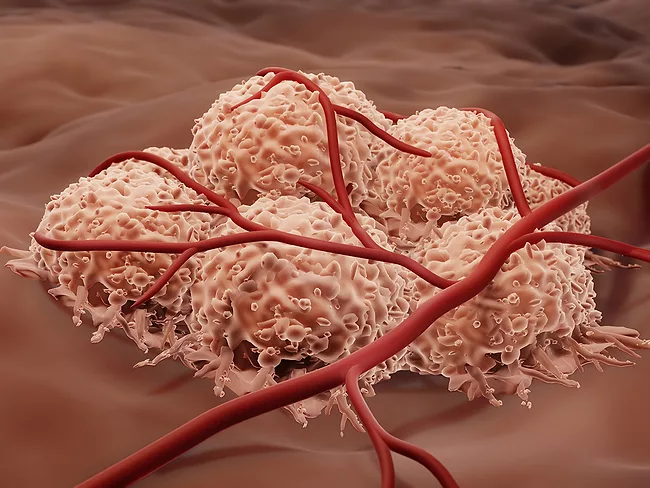
Researchers from Sun Yat-sen University and collaborators reported the preclinical efficacy of SGI-7079, an AXL inhibitor, in models of retinoblastoma.
Armed with a fully subscribed $80 million series D round, Life Biosciences Inc. is making progress with its lead candidate, ER-100, which is in phase I trials testing its theory on reversing the biological effects of aging via partial epigenetic reprogramming.
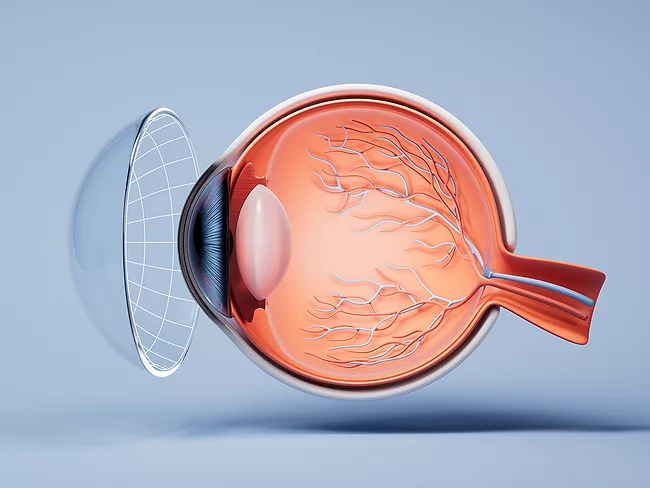
A smart polymer contact lens measures intraocular pressure (IOP) in real time and automatically releases medication into the eye when IOP goes beyond a critical limit. This technological advance, developed by scientists at the Terasaki Institute for Biomedical Innovation (TIBI), could enable personalized glaucoma therapy, avoiding poor patient adherence to their prescribed regimen and eliminating the need for bulky electronic devices. Animal models tolerate it well and, although the load is concentrated at the edges of the lens, it is still unknown how it could affect visual acuity.
As advances are made by bustling drug developers at work in the Wingless-related integration site (Wnt) pathway, other research is yielding new discoveries as well. Among the closely watched industry players in Wnt are Boehringer Ingelheim GmbH, Merck & Co. Inc., and Surrozen Inc.
A smart polymer contact lens measures intraocular pressure (IOP) in real time and automatically releases medication into the eye when IOP goes beyond a critical limit. This technological advance, developed by scientists at the Terasaki Institute for Biomedical Innovation, could enable personalized glaucoma therapy.
Work at Khartis Therapeutics Inc. has led to the discovery of new insulin-like growth factor 1 receptor (IGF-1R; CD221) inhibitors potentially useful for the treatment of thyroid-associated ophthalmopathy (Graves ophthalmopathy), age-related macular degeneration, idiopathic orbital inflammatory disease, cancer and inflammatory disorders.
 RSS
RSS