Royal Philips NV is reporting the launch of Philips Ventilator Bipap A40 EFL, a noninvasive ventilator that aims to help patients with chronic obstructive pulmonary disease (COPD) breathe easier. With its CE mark in hand, the company has tagged initial target markets as France, Italy and the U.K. Additional European markets are expected to come next year.
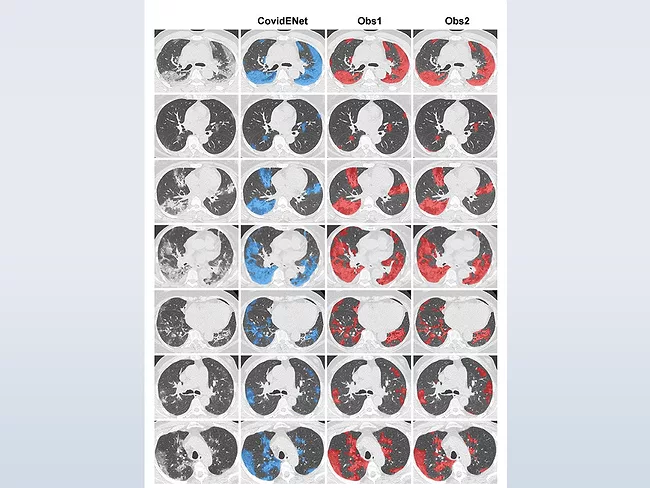
PARIS – A consortium that includes Therapanacea SAS, GE Healthcare France SAS, Orange Healthcare SA, the AP-HP group of 39 hospitals in the Paris region and the French academic society for thoracic imaging has created a database for COVID-19.
PERTH, Australia – On the heels of an AU$5 million ($US3.47 million) capital raise, digital health company Respiri Ltd. is preparing to launch its digital wheezo asthma measurement device in Australia as it transforms itself from a device manufacturer to an eHealth software as a service company (SaaS). Melbourne-based Respiri received its first batch of 500 wheezo devices in March, and the company plans to deploy them in Australia this quarter.
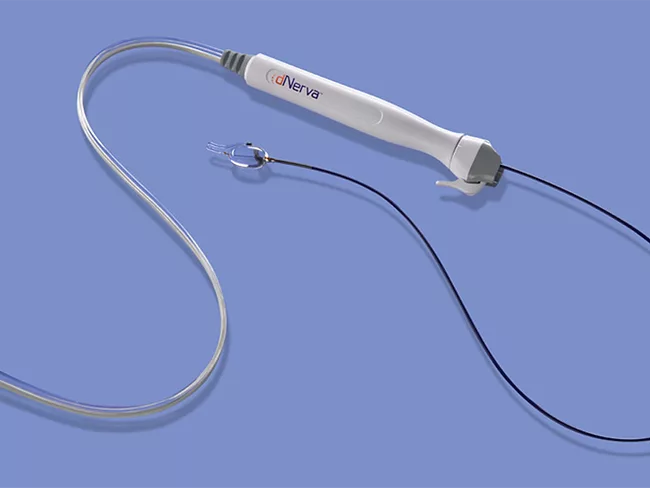
Minneapolis-based startup Nuvaira Inc. has received breakthrough device designation from the U.S. FDA for its Dnerva lung denervation system to reduce the risk of moderate-to-severe exacerbations of chronic obstructive pulmonary disease (COPD) in patients receiving optimal care. The bronchoscopic procedure works by disrupting pulmonary nerve input to the lung, improving symptoms and stabilizing lung function.
Ventilators are not designed to sit in storage for long periods of time unused. But that’s precisely what’s often required of this medical device, which then may require substantial repair and updates before it is functional. That’s a tale that’s been told repeatedly in this pandemic.
Stem cells haven’t exactly panned out as hoped when it comes to approved therapeutics. There are only a couple that have received a nod from the FDA in very specific indications. But the ongoing COVID-19 pandemic could push stem cells back into the limelight and more firmly establish them as therapeutically relevant.
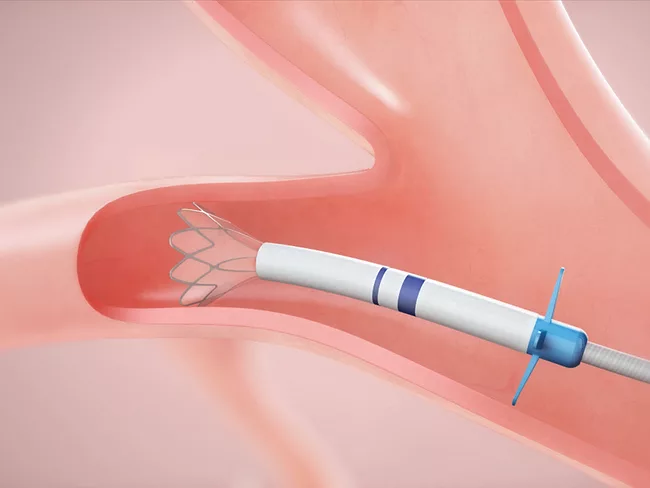
Chronic obstructive pulmonary disease (COPD) is one of the most dangerous comorbidities for COVID-19 patients – as well as a major cause of death that predates the current pandemic. Pulmonx Corp. has the first minimally invasive valve to treat severe emphysema, which is a form of COPD that accounts for about one-quarter of the patients.
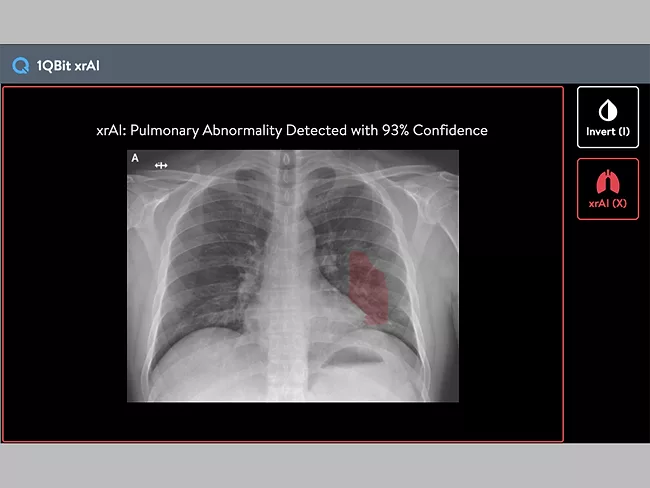
TORONTO – Within a week of completing clinical trials the chest radiography AI tool developed by Vancouver, B.C.-based 1Qbit Inc. has been given the all-clear from Health Canada for deployment across the country. The XrAI was originally developed to better identify patients with respiratory illness including SARS, pneumonia and tuberculosis (TB), but then in February was tested on a publicly available data set of COVID-19 X-ray images.
Reports of unusually high death rates for COVID-19 patients on ventilators have raised alarms, and some doctors are looking to reduce reliance on the breathing machines when possible. To advance that goal, Lungpacer Medical Inc., of Vancouver, British Columbia, has obtained an emergency use authorization (EUA) from the U.S. FDA for its Lungpacer diaphragmatic pacing therapy system (DPTS) for immediate use in ventilator patients at high risk of weaning failure, including patients with the novel coronavirus.
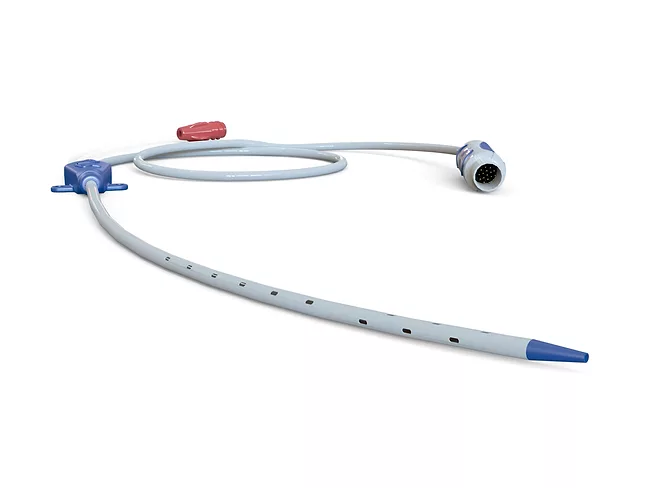
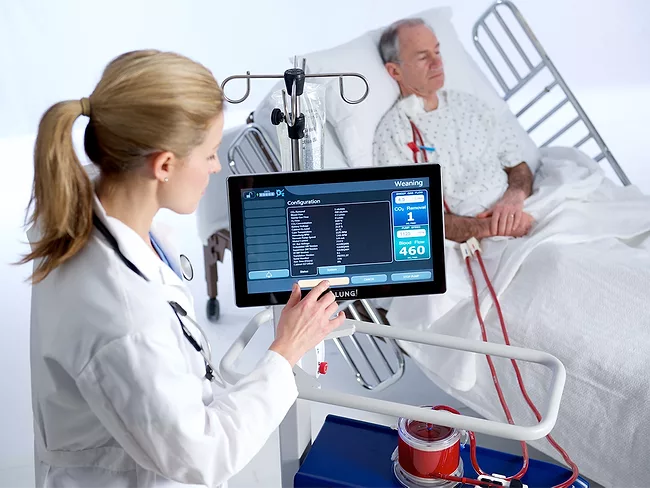
Pittsburgh-based Alung Technologies Inc. has received emergency use authorization from the U.S. FDA for its Hemolung Respiratory Assist System (RAS) to treat lung failure caused by COVID-19. The technology could help to ease demand for ventilators, which have been in short supply in coronavirus hot spots, and provide an alternative for patients who can’t tolerate mechanical ventilation.
 RSS
RSS