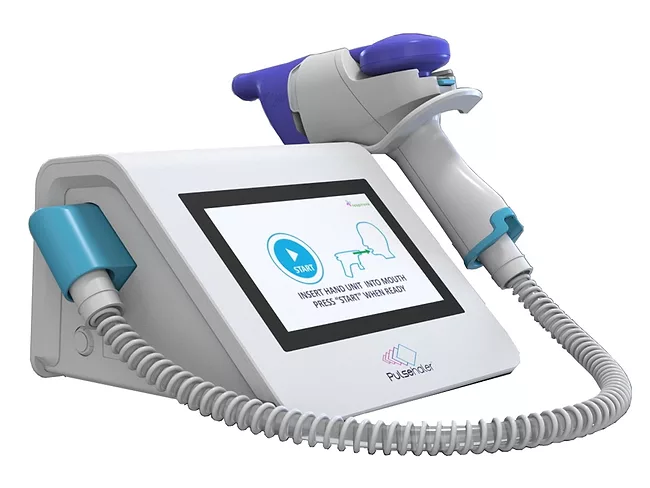
Broncus Holding Corp.’s shares tumbled more than 20% on its first trading day on Friday, Sept. 24, in Hong Kong. It raised HK$1.55 billion (US$199.1 million) at HK$18.70 a share, the top end of its target range. Nearly half of the proceeds will be used for the R&D and commercialization of its two core interventional pulmonology products: the Intervapor system and the RF Generator + RF Ablation Catheter (RF-II).
A multicenter study has found that a multiplex diagnostic panel developed by Opgen Inc. can reduce the use of inappropriate antibiotic therapy by 45.1%. Opgen’s Unyvero Hospitalized Pneumonia (HPN) panel uses PCR technology that can detect 21 pathogens and 17 antibiotic resistance markers in less than five hours. During the European Respiratory Society conference, Rockville, Md.-based Opgen presented data showing that combined with antibiotic stewardship, its HPN panel decreased time on inappropriate antibiotic therapy in hospitalized patients with pneumonia at risk for Gram-negative rods.
LONDON – Breath biopsy specialist Owlstone Medical Ltd. closed a $58 million oversubscribed series D, bringing the total raised by the company since its formation in 2016 to over $150 million. The money will support further development of tests for lung cancer, liver disease and respiratory disease, and of a new class of diagnostics, which rather than measuring endogenous markers of disease, involve administering chemical probes and assessing how they are metabolized.
TORONTO – What do ER doctors want most for their patients? Never to return to the ER, said Giovanni Ferrara, a professor at Edmonton’s University of Alberta Hospital's Division of Pulmonary Medicine. Ferrara is heading a feasibility project to see if a wearable device developed by Rochester, N.Y.-based Heath Care Originals Inc. can predict with scientific certainty when the condition of a patient with lung disease is worsening and requires another visit to the hospital.
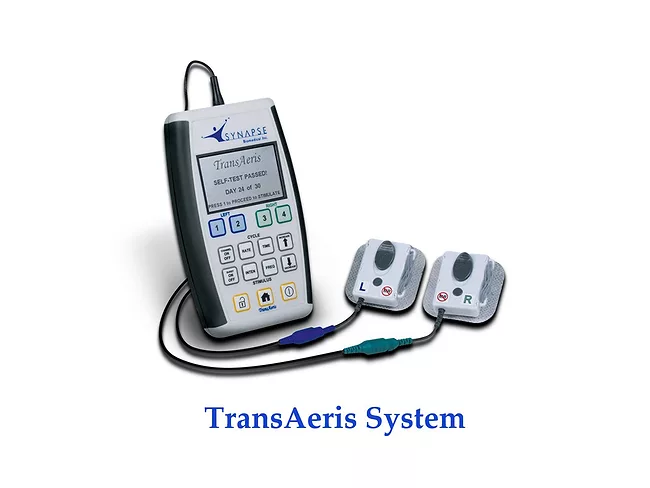
Synapse Biomedical Inc. has won breakthrough device designation from the FDA for its Transaeris system, a diaphragm pacing system (DPS) for use in weaning patients off mechanical ventilation. The minimally invasive device has been in use during the COVID-19 pandemic under an emergency use authorization to prevent ventilator-induced diaphragm dysfunction – a condition that occurs following mechanical ventilation, which leaves the diaphragm weak from disuse.
It’s more than 20 years since the tobacco firm Philip Morris International Inc. commissioned a controversial research paper, “Public Finance Balance of Smoking in the Czech Republic,” which infamously argued that smokers cut state health care expenditure by dying early. The paper was considered an outrage and led to a high-profile apology from the company, after being widely derided by politicians and commentators internationally. The company’s July 9 proposal to buy the respiratory diseases firm Vectura Group plc for $1.2 billion is already looking just as provocative according to U.K. politicians and anti-smoking groups, who are calling for the government to intervene to stop it going ahead.
Steven Roy, CEO of Convergence Medical Sciences Inc., has designed a low-cost device that boosts the number of patients on a single ventilator to four simultaneously. To do this, he is collaborating with Calgary-based consulting engineers, Exergy Solutions Inc., to take the international Red Dot design winner through the Health Canada approval process.
Almost 11 years to the day after first gaining FDA clearance, the Sonarmed airway monitoring system finally launched on a commercial scale in the U.S. The new rollout appears likely to revive the product’s prospects as it comes with significantly increased financial backing and deep connections to hospitals as a result of Sonarmed’s acquisition by Medtronic plc in December 2020. The system, which uses acoustic technology to identify endotracheal tube obstruction and verify proper tube positioning in neonates and infants who require invasive mechanical ventilation, has been implemented in a small number of hospitals to date.
The management team at Respinova Ltd. is breathing easier with the FDA's 510(k) clearance of the company's Pulsehaler. Using pulsed air pressure, the device opens airways and clears secretions in patients with respiratory diseases. The clearance represents the device’s first endorsement by a regulatory agency, though the company hopes it will soon be joined by others.
Teleradiology company Nines Inc. won 510(k) clearance from the FDA for Ninesmeasure, an artificial intelligence (AI)-powered tool for measuring lung nodules. The Palo Alto, Calif.-based company says the new tool can help speed the diagnosis of certain respiratory diseases, resulting in better patient outcomes.
 RSS
RSS