As part of its ongoing investigation into what it considers excessive price increases for some prescription drugs, the U.S. House Oversight Committee plans to put Abbvie Inc. CEO and Chairman Richard Gonzalez on the hot seat May 18 for a grilling on the company’s pricing of Humira and Imbruvica.
As investors await interim data this quarter from Arcus Biosciences Inc.’s ARC-7 phase II effort with domvanalimab (AB-154) in non-small-cell lung cancer, the anti-TIGIT space continues to bubble, with Wall Street busy trying to sort out the odds of various players.
PERTH, Australia – Australia’s budget theme for the 2021 to 2022 fiscal year is rebuilding the economy following COVID-19, and med-tech and biotech leaders were praising some of the new measures.
While acknowledging the net health benefit over standard of care in heavily pretreated multiple myeloma patients, CAR T-cell therapies Abecma (idecabtagene vicleucel) and ciltacabtagene autoleucel (cilta-cel) represent low long-term value at their current pricing levels, according to the Institute for Clinical and Economic Review (ICER) in a final evidence report released May 11.
Nearly a week after U.S. President Joe Biden called on Congress to get prescription drug pricing reform done, a House subcommittee took up dueling bills aimed at bringing down drug prices.
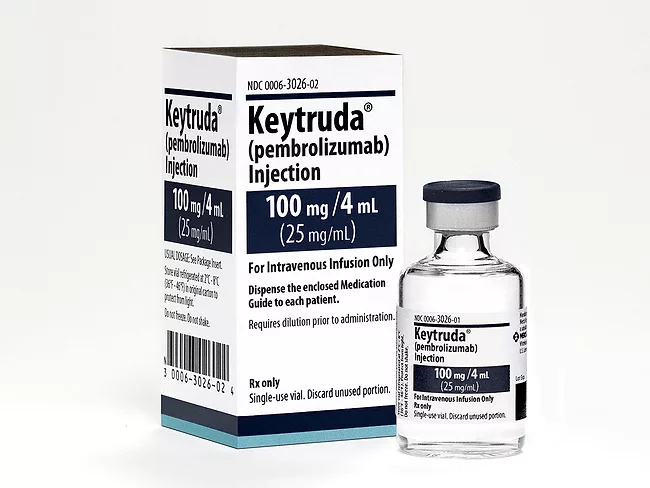
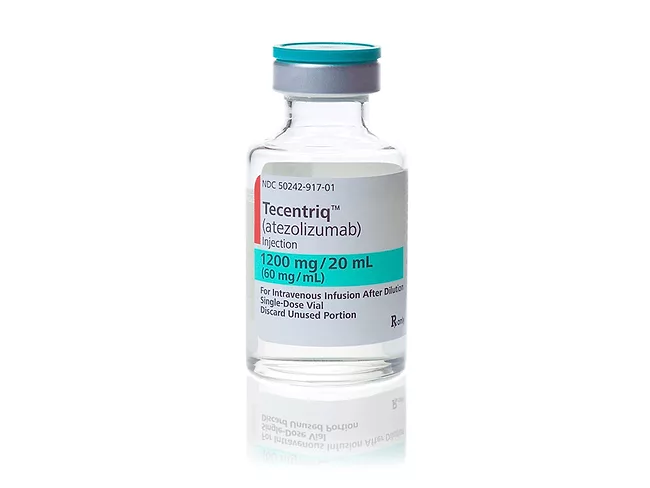
If the FDA follows the advice of its Oncologic Drugs Advisory Committee (ODAC), both Keytruda and Tecentriq will remain on the U.S. market, for the time being, with accelerated approval as first-line treatments for certain patients with advanced or metastatic urothelial carcinoma. The committee voted 5-3 April 28 to recommend continuing accelerated approval for Merck & Co. Inc.’s Keytruda (pembrolizumab) and 10-1 for maintaining the accelerated approval of the Roche Group’s Tecentriq (atezolizumab) until the final data come in from a confirmatory trial that’s expected to be completed next year.
In a virtual meeting fraught with technical difficulties, the FDA’s Oncologic Drugs Advisory Committee (ODAC) voted 7-2 April 27 that the accelerated approval for Tecentriq (atezolizumab) in combination with nab-paclitaxel as a treatment for unresectable locally advanced or metastatic triple-negative breast cancer (mTNBC) in adults with PD-L1+ tumors should continue as additional trials are conducted or completed.
Nearly a full month ahead of the PDUFA date, ADC Therapeutics SA said Friday the FDA has granted accelerated approval for Zynlonta (loncastuximab tesirine), a CD19-targeted antibody-drug conjugate for the single-agent treatment of adults with relapsed or refractory large B-cell lymphoma after two or more lines of systemic therapy. The approved indication includes the treatment of patients with diffuse large B-cell lymphoma not otherwise specified and those with DLBCL arising from low grade lymphoma and high grade B-cell lymphoma, which ADC's CEO Chris Martin said would be an important point of differentiation for the product.
Another PD-1 antibody is about to hit the U.S. market, following the FDA’s accelerated approval of dostarlimab (TSR-042) from partners Anaptysbio Inc. and Glaxosmithkline plc. But dostarlimab, branded Jemperli, will be only one of two PD-1 drugs indicated for endometrial cancer, going up against Merck & Co. Inc.’s Keytruda (pembrolizumab).
HONG KONG – Beijing Stonewise Technology Co. Ltd., a med-tech firm that uses artificial intelligence (AI) to aid in the discovery of small molecule drugs, closed series B and B+ financing rounds that added $100 million to its pocket. The company intends to use the proceeds to upgrade its AI-enabled drug discovery platform.

 RSS
RSS