Celltrion Inc. announced plans to acquire from Eli Lilly and Co. a Branchburg, N.J.-based biologics cGMP facility for $330 million up front, with plans to invest up to a total of ₩1.4 trillion (US$1 billion) in plant acquisition and expansion.
Following the first approvals in the U.K., Canada, Australia and Switzerland, the EMA’s Committee for Medicinal Products for Human Use (CHMP) is now recommending approval of Bayer AG’s Lynkuet (elinzanetant), a non-hormonal treatment for symptoms of menopause. The drug, the first dual neurokinin-1 and neurokinin-3 receptor antagonist, is for the treatment of moderate to severe vasomotor symptoms, also known as hot flashes.
South Korea’s Ministry of Food and Drug Safety announced Sept. 12 plans to significantly raise drug application fees for biosimilars but slash their review times starting next year.
Three milestones expected to bring the reality of U.S. prescription drug price negotiations into focus are hovering on the horizon. First, the CMS is scheduled to publish its maximum fair prices (MFPs) for the round 2 selected drugs by Nov. 30. Then, on Jan. 1, the MFPs for the first round kick in, affecting not only the 10 selected drugs, but a dozen approved biosimilars referencing the three biologics in that round, 94 generics either approved or tentatively approved that reference the small molecules on the list, and perhaps other innovator drugs in the same therapeutic spaces. And by Feb. 1, CMS must publish the list of up to 15 drugs selected for negotiations for the 2028 price year. That list will be the first to include Part B drugs.
Bio-Thera Solutions Inc. announced Aug. 26 that the European Commission cleared Usymro (BAT-2206) as a biosimilar to Janssen Pharmaceuticals Inc.’s Stelara (ustekinumab). The EMA issued marketing authorization for Usymro on Aug. 14, following the EMA’s Committee for Medicinal Products for Human Use adopting a positive opinion on June 19.
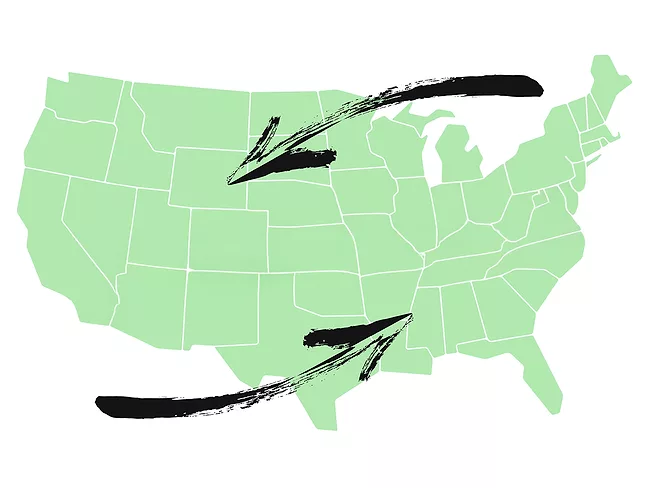
Location, location, location. While location is as important in manufacturing as it is in buying a home, it could become even more so for drug companies when, and if, the global biopharma sector tariff U.S. President Donald Trump continues to tease becomes a reality. In the shadow of the impending tariff, the FDA is working on a draft framework, the two-phase FDA PreCheck, to make it faster and easier for biopharma companies to relocate their manufacturing to the U.S.
South Korea’s pharmaceutical manufacturing reached an all-time high of ₩32.86 trillion (US$23 billion) in 2024, representing a 7.3% increase from 2023 and the highest on record since the country began count in 1998.
The U.S. FDA on July 15 cleared Biocon Biologics Ltd.’s Kirsty (insulin aspart-xjhz) as the first and only interchangeable biosimilar product referencing Novo Nordisk A/S’ Novolog (insulin aspart), a rapid-acting diabetes medication.
Once again, U.S. legislative reforms to rein in pharmacy benefit manager (PBM) business practices missed a ride to finally becoming law. This time, they were kicked out of the Trump administration’s budget reconciliation bill that was signed into law July 4. House Resolution 1, as first passed in the lower chamber, included a few PBM reforms, but they were deleted from the Senate version that ultimately became law because the parliamentarian ruled they didn’t meet the restrictions placed on reconciliation measures.
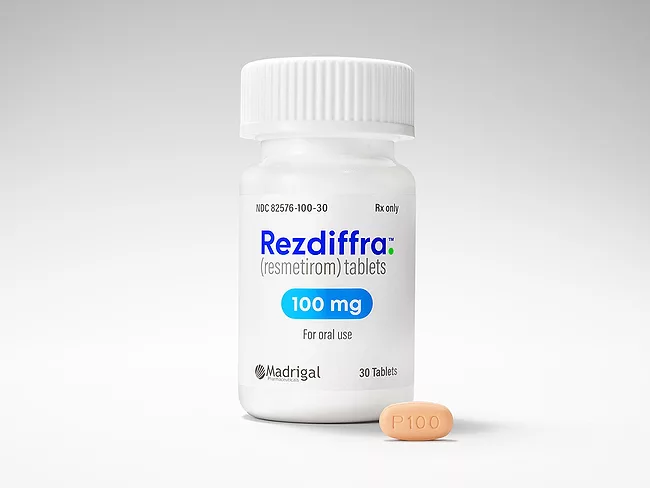
One year after the FDA’s nod, the EMA is following on and recommending conditional approval of Madrigal Pharmaceuticals Inc.’s Rezdiffra (resmetirom) as the first drug in Europe for treating noncirrhotic metabolic dysfunction-associated steatohepatitis.
 RSS
RSS