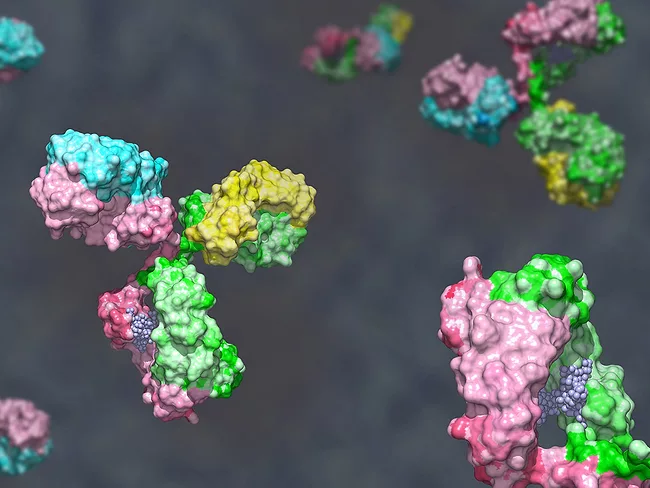
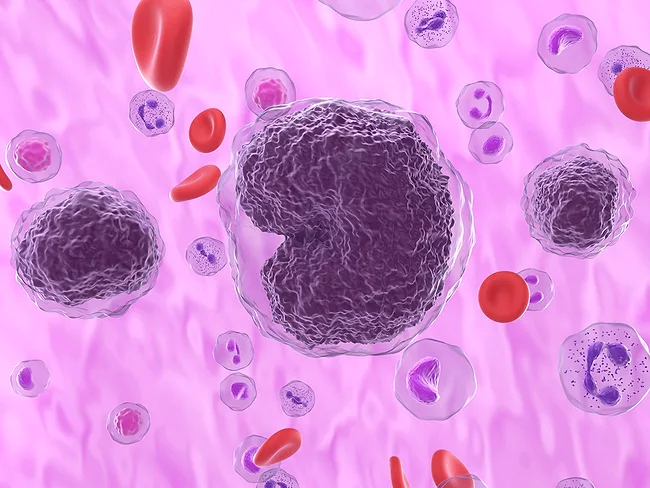
Cancer immunotherapy has represented a significant advancement in cancer treatment; however, many patients experience relapse or develop resistance to this treatment. Bispecific antibodies that selectively engage T-cell costimulatory molecules have emerged as a novel therapeutic strategy to overcome the limitations of immunotherapy.
Naya Biosciences Inc. has expanded its bifunctional antibody pipeline to include NY-500, a novel PD-1 x VEGF tetravalent bifunctional antibody for the treatment of hepatocellular carcinoma (HCC) and other solid tumors.
Ottimo Pharma Ltd. is equipped to file an IND and take its lead bifunctional antibody into phase II development, after closing a $140 million series A. The round will accelerate development of jankistomig, which targets the PD-1 immune checkpoint whilst inhibiting tumor angiogenesis by neutralizing vascular endothelial growth factor (VEGF).
Cathepsin G (CTSG) is overexpressed and aberrantly localized for antigen presentation on acute myeloid leukemia blasts and stem cells compared to normal hematopoietic progenitors. Earlier this year, Crossbow Therapeutics Inc. announced the nomination of its first development candidate, CBX-250, a TCR-mimetic (TCRm) bispecific T-cell engager (TCE) antibody targeting a CTSG peptide-human leukocyte antigen (pHLA) complex and CD3.
The lack of acute myeloid leukemia-specific antigens is one of the challenges for targeted immunotherapy together with on-target off-tumor toxicities due to the expression of the target in normal myeloid cells. A subset of T cells – Vδ2 T-cells – which represent ~5% of the T-cell population in healthy donors, are seen as part of emerging immunotherapeutic strategies.
Beijing Hanmi Pharm. Co. Ltd. broke ground on a ₩140 billion (US$98.65 million) large-scale project to build a near-500,000-square-foot China base near Beijing Capital International Airport in efforts to increase the company’s local production, R&D and office capabilities.
Researchers from Janssen Research & Development LLC presented preclinical data for JNJ-87801493, a first-in-class CD20 targeted CD28 costimulatory bispecific antibody (Ab), currently in early clinical development for the treatment of B-cell malignancies.
Beijing Hanmi Pharm. Co. Ltd. broke ground on a ₩140 billion (US$98.65 million) large-scale project to build a near-500,000-square-foot China base near Beijing Capital International Airport in efforts to increase the company’s local production, R&D and office capabilities.
Merus NV gained accelerated U.S. FDA approval of Bizengri (zenocutuzumab) as the first and only targeted therapy indicated for NRG1-positive pancreatic adenocarcinoma and non-small-cell lung cancer patients with advanced unresectable or metastatic disease. The approval came about seven months after the FDA accepted the BLA for filing under priority review, and two months ahead of the PDUFA goal date of Feb. 4, 2025, which had been extended by three months in November as the agency reviewed CMC information submitted in response to its request.
 RSS
RSS