Research into the regulation of gene expression experienced a significant breakthrough with the discovery of microRNA, small RNA molecules that do not code for proteins but control their translation. This finding has earned its authors Victor Ambros and Gary Ruvkun the 2024 Nobel Prize in Physiology or Medicine.
Akeso Pharmaceuticals Inc. scored two approvals from China’s National Medical Products Administration on Sept. 30 before the long Labor Day holiday – one for its PCSK9 inhibitor, ebronucimab, and the second to expand use of PD-1/CTLA4 bispecific antibody cadonilimab in unresectable or metastatic gastric or gastroesophageal junction adenocarcinoma, marking the second indication for cadonilimab in China.
Chengdian (Suzhou) Biopharmaceutical Co. Ltd. has received IND clearance from the FDA, allowing it to initiate a first-in-human phase I trial of CD-001.
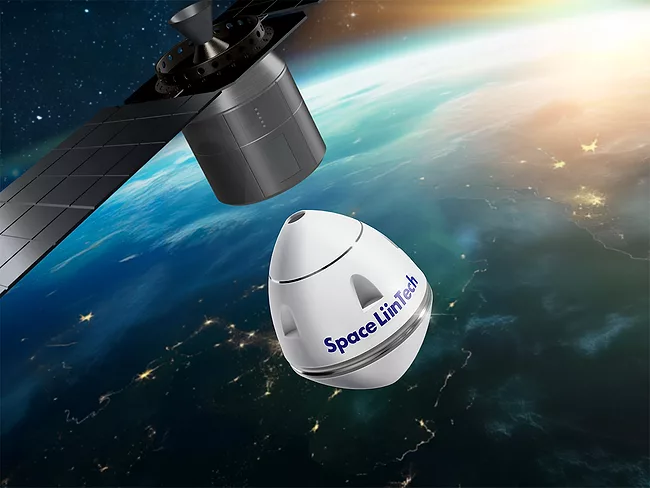
Space Liintech Co. Ltd., of Daejeon, South Korea, raised ₩4 billion (US$2.9 million) in a series A financing round to advance new drug research, development and production in outer space, as the private sector races to harness the orbit for pharmaceutical experiments.
Immuneoncia Therapeutics Inc., a joint venture between South Korea’s Yuhan Corp. and San Diego-based Sorrento Therapeutics Inc., is looking to list on the Korea Exchange, having recently passed local technology evaluation.
Seven years since the first approval of two chimeric antigen receptor T-cell therapies for hematological cancers, U.S. and Singapore-based Immunoscape Pte Ltd. is looking to develop novel T-cell receptor (TCR) therapeutics for solid tumors.
Shanghai Henlius Biotech Inc. has announced IND approval by the FDA for HLX-42 for injection, an antibody-drug conjugate (ADC) developed under a collaboration between Henlius and Medilink Therapeutics.
KRAS-mutated tumors were once untreatable. In fact, KRAS was something of a poster child for so-called undruggability. Several laboratories are investigating strategies to address other mutations and uses beyond non-small cell lung cancer (NSCLC) and colorectal cancer. If you can't bind KRAS to block it, use a glue or combine multiple weapons. This is the idea behind two new approaches that target cancers caused by this proto-oncogene.
A combination of radiation therapy and CD47 blockade induced an abscopal effect in animal studies even in animals that lacked T cells, researchers reported in the Nov. 21, 2022, online issue of Nature Cancer.
Shanghai Junshi Biosciences Co. Ltd. could receive an aggregate $1.1 billion from Coherus Biosciences Inc. for the rights to develop and commercialize Junshi’s anti-PD-1 antibody toripalimab in the U.S. and Canada. The deal is powered by Coherus’ core biosimilar business and is designed to steer the company into the business of immuno-oncology.

 RSS
RSS