Cancer immunotherapy has represented a significant advancement in cancer treatment; however, many patients experience relapse or develop resistance to this treatment. Bispecific antibodies that selectively engage T-cell costimulatory molecules have emerged as a novel therapeutic strategy to overcome the limitations of immunotherapy.
[68Ga]/[177Lu]DOTA-2P(FAPI)2 is a novel dimeric FAP-targeting radiopharmaceutical that has demonstrated increased tumor uptake and prolonged retention in different types of cancer models.
Researchers have developed an innovative immunotoxin (a fusion protein called GrB-Fc-KS49) designed to target epithelial membrane protein-2 (EMP2), a biomarker overexpressed in more than 75% of breast cancer cases, including triple-negative breast cancer (TNBC).
Most clinically relevant T-cell receptor (TCR)-engineered T cells are typically tested in immunocompromised mice, allowing human T-cell engraftment but failing to replicate the complex interactions of a functioning immune system in patients. While humanized mouse models exist, they face challenges with incomplete immune reconstitution and technical complexity.
Axcynsis Therapeutics Pte Ltd. has gained IND clearance from the FDA for AT03-65 for the treatment of patients with CLDN6-positive solid tumors. Axcynsis is planning to initiate a phase I trial in the U.S. during the current quarter in patients with advanced CLDN6-positive solid tumors.
With positive data in hand from its phase IIb trial testing immunotherapy candidate OST-HER2 in osteosarcoma, OS Therapies Inc. anticipates a regulatory filing this year seeking accelerated approval from the U.S. FDA, putting the firm on track to receive a potentially profitable rare pediatric disease priority review voucher that could help fund further R&D work. Should OST-HER2 go on to win approval, it would mark the first new therapy in more than 40 years for osteosarcoma, an aggressive bone cancer characterized by high rates of metastases, often to the lungs, and disease recurrence.
A new study published in the Journal for Immunotherapy of Cancer has presented a promising advancement in chimeric antigen receptor (CAR) T-cell therapy for non-Hodgkin lymphoma (NHL).
A recent study has introduced a novel class of antibody-drug conjugates (ADCs) targeting trophoblast cell surface antigen 2 (TROP2), a protein overexpressed in pancreatic ductal adenocarcinoma (PDAC), one of the deadliest forms of cancer.
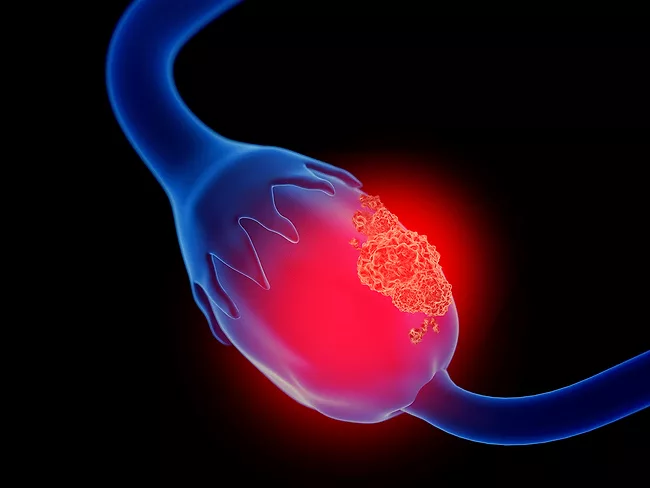
Eterna Therapeutics Inc. has released promising results from a preclinical study of its lead cell therapy product, ERNA-101, showing it reduced tumor burden and extended survival in mice with ovarian cancer.
 RSS
RSS