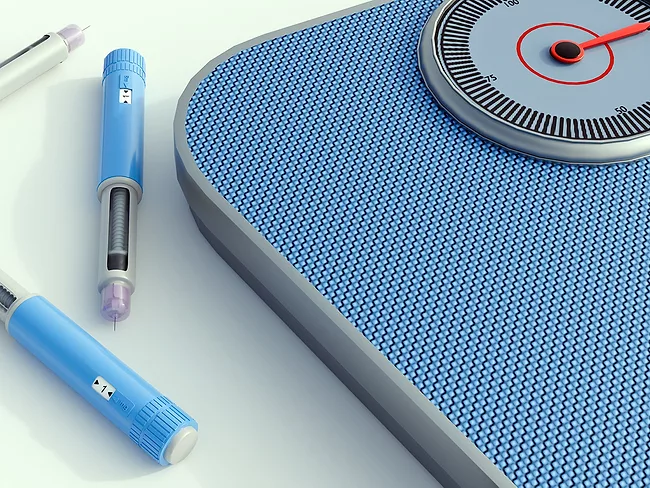
Scoring high marks on two more phase III obesity trials, this time involving serious type 2 diabetes and cardiovascular complications, Eli Lilly and Co. has cleared the path for a BLA filing for its triple-G candidate retatrutide, which many expect will eventually surpass the top two marketed drugs in the space.
Hansoh Pharmaceutical Group Co. Ltd. has taken a new step in the evolution of China’s “newco” strategy, combining its newly created U.S. company, Avere Therapeutics Inc., with Nasdaq-listed Nextcure Inc. in a deal designed less to merge pipelines than to create a public vehicle for global development of a China-originated asset.
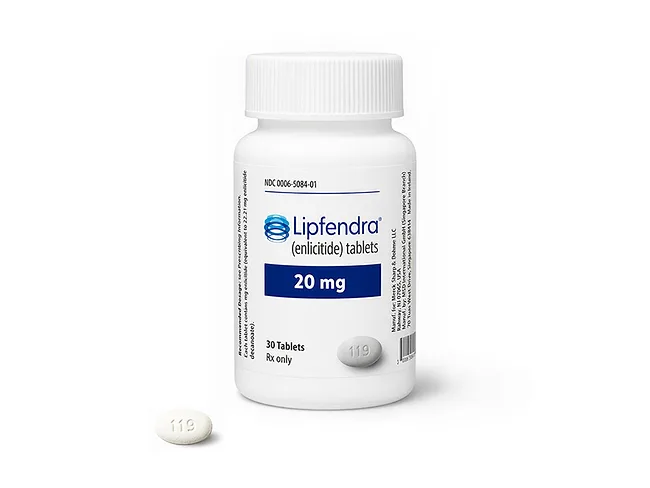
Branded Lipfendra, Merck & Co. Inc.’s oral PCSK9 inhibitor enlicitide, part of the FDA Commissioner’s National Priority Voucher pilot program, won U.S. approval to reduce low-density lipoprotein cholesterol (LDL-C) in adults with hypercholesterolemia, including heterozygous familial hypercholesterolemia.
Hansoh Pharmaceutical Group Co. Ltd. has taken a new step in the evolution of China’s “newco” strategy, combining its newly created U.S. company, Avere Therapeutics Inc., with Nasdaq-listed Nextcure Inc. in a deal designed less to merge pipelines than to create a public vehicle for global development of a China-originated asset.
The U.S. Court of Appeals for the Seventh Circuit revived Teva Pharmaceuticals USA Inc.’s breach-of-contract suit against Eli Lilly and Co. July 13, as it chided the lower court for dismissing the complaint at the pleadings stage.
Ascletis Pharma Inc. has submitted two IND applications to the FDA for ASC-36 once-monthly injection and ASC-36_35 once-monthly injection co-formulation for the treatment of obesity.
Ascletis Pharma Inc. has received IND clearance from the FDA for ASC-35, a once-monthly subcutaneously administered GLP-1 receptor (GLP-1R)/GIP receptor (GIPR) dual peptide agonist, for the treatment of obesity.
Chinese peptide therapeutics developer Shaanxi Micot Pharmaceutical Technology Co. Ltd. is seeking up to HK$1.22 billion (US$155 million) in a Hong Kong IPO to advance its lead phase III chronic kidney disease candidate, MT-1013, and next-generation obesity therapies.
Cenna Biosciences Inc. has obtained IND clearance from the FDA for 8M2D, a first-in-class peptide for the treatment of Alzheimer’s disease. A phase Ia/Ib trial of 8M2D in healthy volunteers and patients with early Alzheimer’s disease is expected to begin dosing late this year.
Chinese peptide therapeutics developer Shaanxi Micot Pharmaceutical Technology Co. Ltd. is seeking up to HK$1.22 billion (US$155 million) in a Hong Kong IPO to advance its lead phase III chronic kidney disease candidate, MT-1013, and next-generation obesity therapies.
 RSS
RSS